
Last updated November 16, 2026
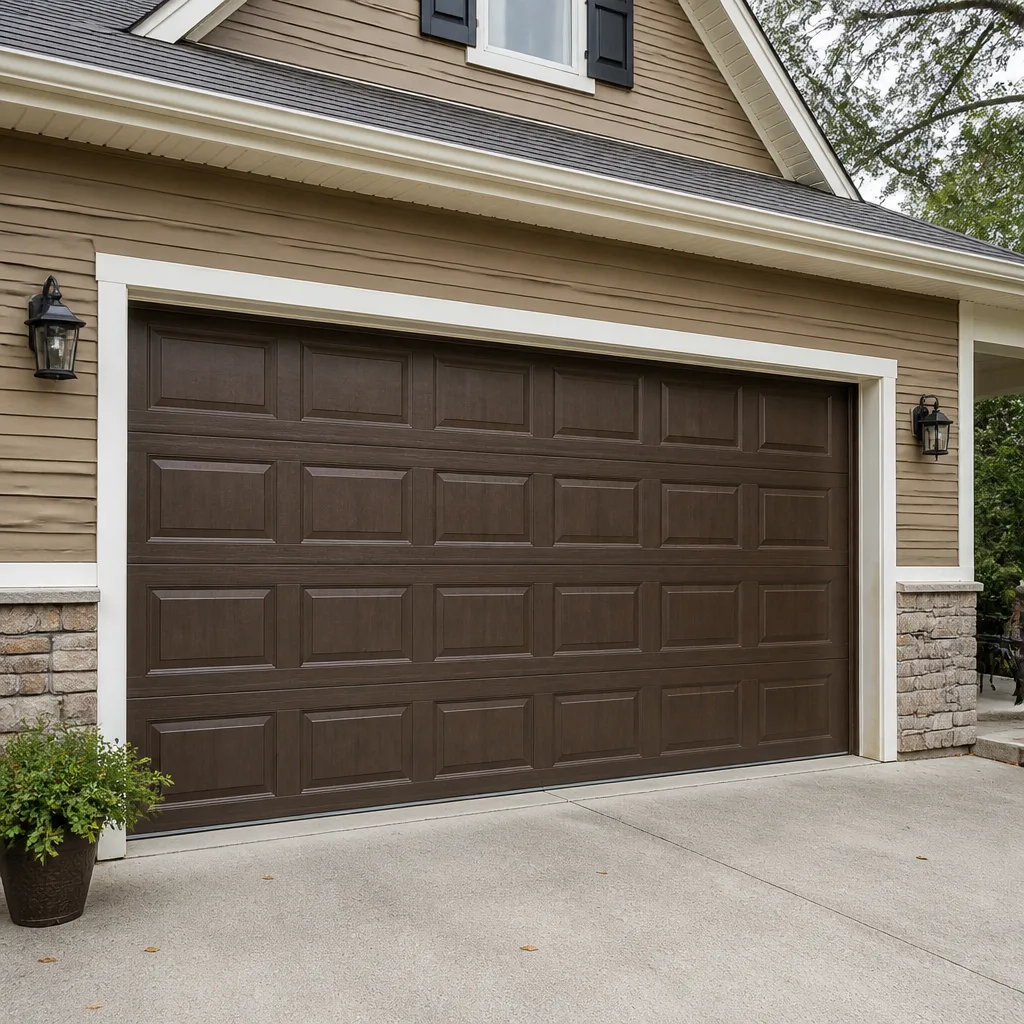 Raised-panel steel
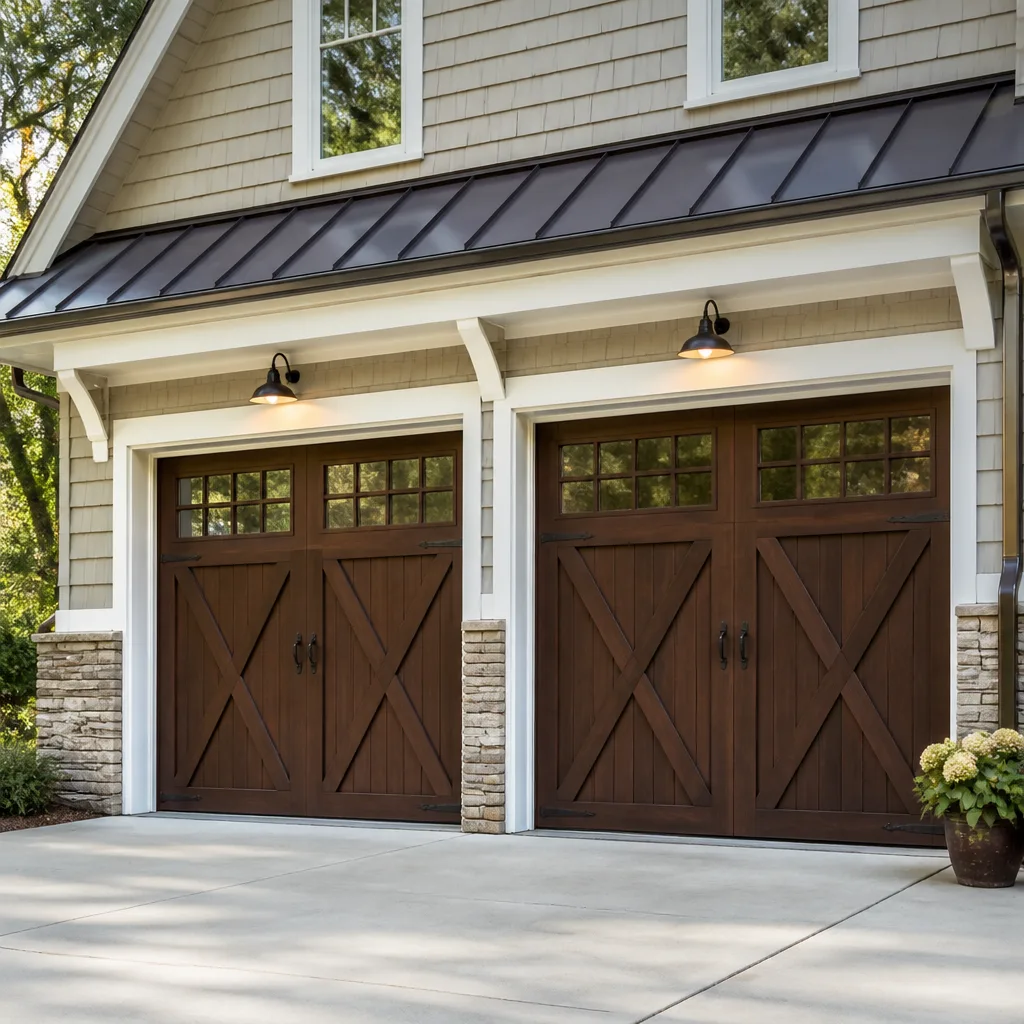 Carriage house
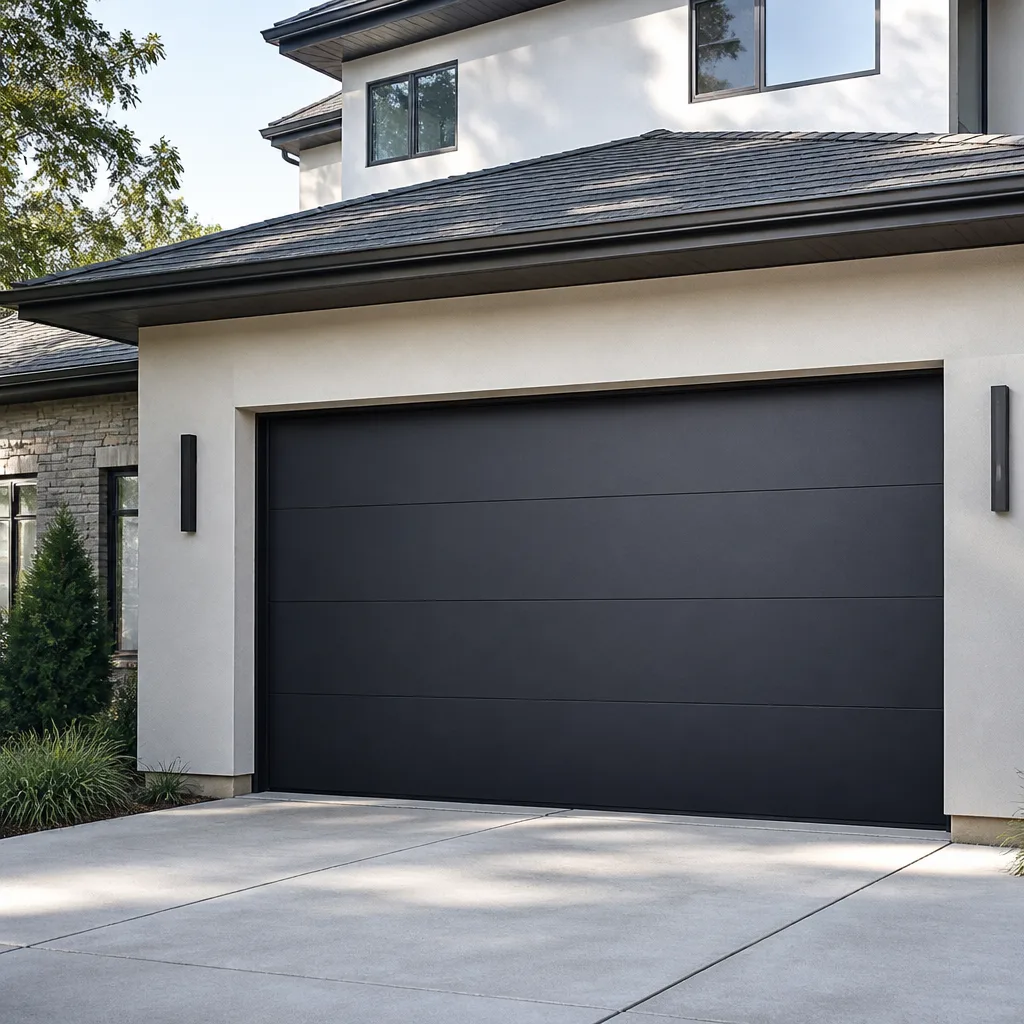 Modern flush
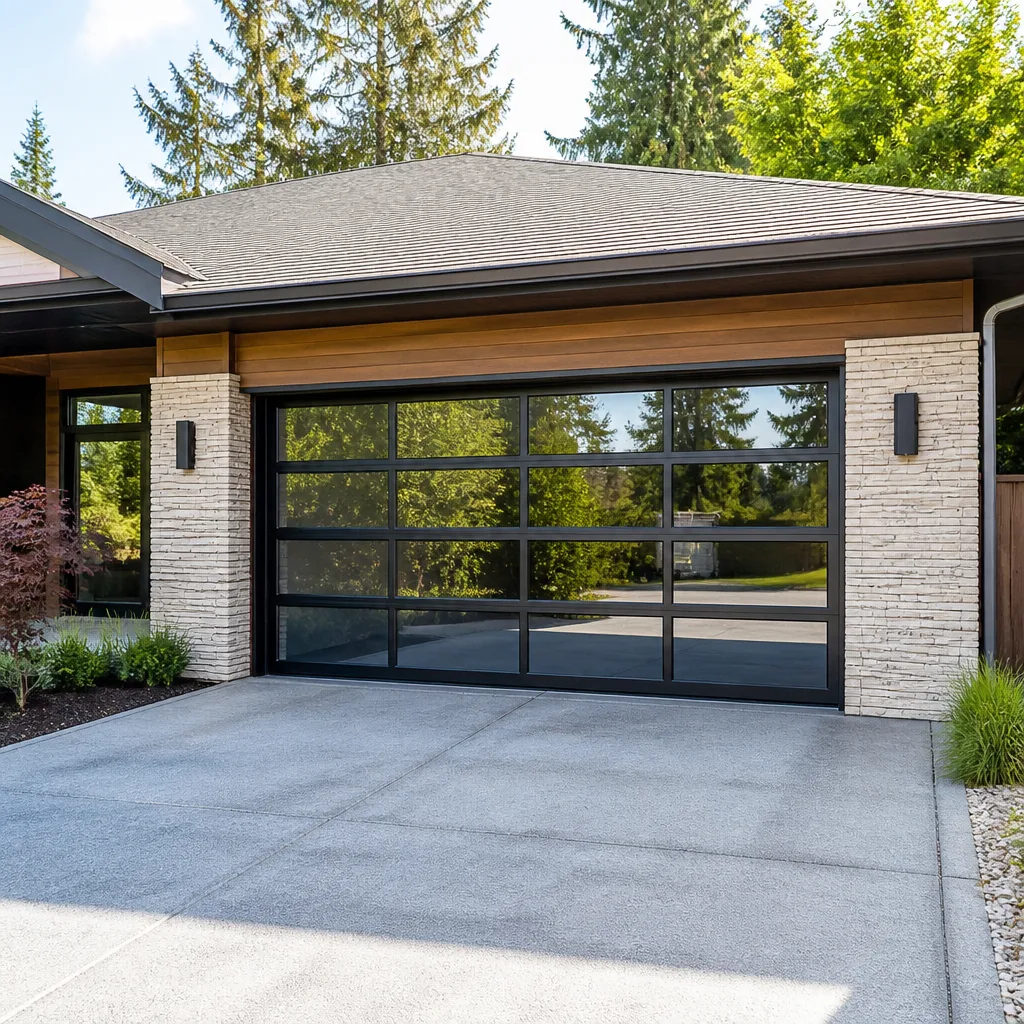 Full-view glass
 LiftMaster openers
 Chamberlain openers
Full 25-point door and opener safety check with every visit - springs, cables, rollers, tracks, and your LiftMaster or Chamberlain opener included
You get a price before we start. It does not change when the pro arrives.
Get your free estimateSeasonal Garage Door Care for McAllen: Year-Round Homeowner’s Guide
Most seasonal garage door advice you’ll find online was written for a place with four distinct seasons – a hard freeze, a muddy thaw, a leaf drop, then snow again. McAllen doesn’t run that calendar. Our year splits into a long dry furnace, a short humid monsoon window, and a mild winter that barely registers as winter at all. Each phase stresses completely different parts of a door system, and a care routine copied from a northern guide will have you inspecting the wrong things at the wrong time. This guide maps maintenance to the climate McAllen actually has, month by month, so you spend your effort where the heat, humidity, and storm seasons really do the damage. You’ll finish knowing what to check, when to check it, and which jobs belong in the one cool window the year gives you.
Quick Answer
Seasonal garage door care in McAllen follows three real climate phases rather than four textbook seasons: a dry heat stretch from roughly March through May, a humid monsoon window from June through September, and a mild, comfortable reset from about October through February. Spring and early summer care centers on opener cooling and track expansion, the humid months demand rust and moisture checks on bottom brackets and cable ends, and the cool winter window is the best time of year to replace weatherstripping, adjust spring tension, and repaint steel doors. Pre-storm prep before tropical systems and a fall recalibration of auto-force settings round out the calendar.
Styles & brands we work with
- Raised-panel steel
- Carriage house
- Modern flush
- Full-view glass
- LiftMaster openers
- Chamberlain openers
Table of Contents
- Why the McAllen Calendar Is Different
- March Through May: The Dry Heat Build-Up
- June Through September: The Humidity Window
- Summer Opener Care: Heat, Airflow, and Duty Cycles
- Pre-Storm Preparation for Tropical Systems
- The Fall Reset: Recalibrating Auto-Force Settings
- December Through February: The Winter Window
- Care by Door Material: Steel, Wood, and Aluminum
Why the McAllen Calendar Is Different
A garage door is a mechanical system made of steel, aluminum, wood, rubber, and electronics, and each of those materials reacts to temperature and moisture in its own way. In a northern climate, the dominant stress is the freeze-thaw cycle and road salt. In McAllen, the dominant stresses are sustained heat and a concentrated humid season. That difference changes almost everything about when you service the door.
Heat causes metal to expand. A steel track that fits perfectly in a 70°F January can bind in an August garage. Heat also thins lubricant and pushes an opener motor harder on every cycle. Humidity, when it arrives in force during the monsoon months, finds every unfinished steel edge – the bottom bracket, the cable ends, the hinge plates – and starts to work. And the calm, dry winter we get is not a season of stress at all; it’s a maintenance opportunity. Ambient temperatures are mild enough that paint cures properly, weatherstripping seats without fighting the door, and a technician can calibrate spring tension and force settings by feel and by meter without the heat pushing the readings around.
So the useful way to think about the year in McAllen is not spring, summer, fall, winter. It’s build-up, humidity, storm exposure, reset, and window. Here’s the rhythm in brief:
- March through May: dry heat ramps up. Watch tracks, rollers, and opener strain.
- June through September: humidity arrives. Watch rust on bottom brackets and cable ends, and watch the opener.
- June through November: tropical storm and severe thunderstorm exposure. Pre-storm prep matters.
- October through November: the fall reset. Recalibrate force settings as the heat eases.
- December through February: the winter window. Replace, adjust, repaint, and get ahead.
If you only do one thing this year, do the winter window. It’s the single stretch when the temperatures cooperate with the work that actually protects the door through the other ten months. Whether your system is a garage door repair candidate or a healthy door due for care, the timing is what makes the difference.
March Through May: The Dry Heat Build-Up
Starting in March, McAllen garages begin to heat up. It’s not the peak yet, but the pattern sets in: warm mornings, hot afternoons, and a garage that holds heat long after sunset. This is the season to prepare the mechanical parts of the door for what’s coming, because the same parts that run smoothly now will be under more strain by July.
The core checks for this phase are simple and safe to do yourself:
- Listen to the door. Stand in the garage and run it up and down once. Grinding, scraping, or a rhythmic click that wasn’t there last fall usually points to a dry roller, a loose hinge, or a track starting to bind.
- Look at the rollers. Steel rollers wear faster in heat than nylon ones. Any roller that wobbles in its bracket or looks flat-spotted should be noted for replacement.
- Check the track by eye, not by force. A track should look parallel to the door edge. Gentle bends you can see from the floor are worth flagging. Do not try to bend a track back yourself – it goes out of true easily and the door can jump it.
- Lubricate what’s meant to be lubricated. Hinges, rollers, and the bearing plates get a garage-door-specific lubricant. The springs and the track surface do not – they attract grit. Never touch a spring with tools or hands; call a technician if you suspect a spring issue.
- Test the safety reverse. With the door open, place a roll of paper towel or a scrap of wood flat on the floor in the door’s path and close the door. It should reverse on contact. If it pushes down on the object instead, the opener force setting needs attention before summer.
One local detail worth noticing: in McAllen, the sun-facing side of many garages carries a lot of afternoon heat, and the door panel directly exposed can get hot enough to soften vinyl weatherstripping and shift the fit. If your weatherstripping starts to sag and gap in April, that’s the heat doing it. It’s usually better to replace the seal in winter than to keep patching it in the heat.
June Through September: The Humidity Window
Once the humid months arrive, the door faces a different kind of stress. Heat alone is hard on lubricant and motors. Humidity on top of heat accelerates corrosion on every bare steel edge in the system. In our experience, the two spots that show it first are the bottom brackets at the lower corners of the door and the cable ends, where the cable attaches and drums.
Here’s how to run a humidity-season inspection. This is a look, not a repair:
- Check the bottom corners. Look at the metal brackets that hold the bottom rollers and the bottom of the cable. A little surface discoloration is normal. Flaking, pitting, or a reddish stain that spreads is a sign the coating has failed and moisture is getting in.
- Look at the cable ends. Follow each cable from the bottom corner up toward the drum. Where the cable is bare steel, watch for rust spotting. Never loosen or adjust a cable yourself – cables are under high tension and can cause serious injury. Inspect with your eyes only.
- Check the hinges and roller stems. Rust on these is cosmetic at first, but it can seize a hinge. If the door sounds different – clunkier, less smooth – corrosion is one likely reason.
- Watch the seals. Humidity softens rubber, and the bottom seal can start to drag or split. A dragging seal adds resistance the opener has to overcome, which puts more heat in the motor.
- Keep the interior of the garage as dry as you can. Ventilation helps. A closed, humid garage is a worse environment for bare steel than a garage with some airflow.
Schedule this inspection once at the start of the humid window and once toward the end, so you catch corrosion early. If you spot pitting on a bracket or a cable end you can’t fully see, that’s the moment to bring in a specialist rather than wait. A bottom bracket or cable that fails under tension is a safety problem, not just a repair. Handling it is exactly the kind of work our technicians do as trained garage door specialists, not general handymen, and it’s work we’d rather do on a scheduled visit than after something gives way. If your system needs garage door repair, the earlier in the humid season the better.
Summer Opener Care: Heat, Airflow, and Duty Cycles
An opener motor has a duty cycle – a rated number of cycles per hour – and in a garage space that climbs to roughly 130°F in a McAllen summer, the motor has less headroom than it does in winter. Heat raises the internal temperature of the motor and the control board, and a motor running close to its limit will start to behave unpredictably: pauses mid-cycle, reverses for no reason, or trips a thermal cutoff.
There’s no need to guess. Here’s the short checklist for the hot months:
- Let the space breathe. If your garage has a vent or a window, open it during the day. Airflow lowers the ambient temperature and gives the motor a margin.
- Clear the opener unit itself. Boxes, bags, and holiday storage stacked on or around the opener trap heat. Keep the unit’s vents clear.
- Respect the duty cycle. If you’re moving things in and out and running the door back-to-back, give the opener a pause between cycles. Repeated short cycles with no rest are what overheat a motor during a heat wave.
- Watch the behavior. A door that reverses, stops partway, or runs slower than before is telling you something. Don’t override a safety feature. If the door reverses because the force setting is limiting, the fix is a calibration, not a stronger setting.
- Check the light and the remote. If the wall control works but the remote doesn’t, that’s usually a remote or receiver issue rather than a hot motor. If the opener cuts out entirely after a few cycles and comes back later, heat is the likely factor.
Smart and Wi-Fi-enabled openers from the major brands add a useful diagnostic: the app often logs cycles, errors, and force limits. If your unit can report, use it. We work on openers from LiftMaster, Chamberlain, Genie, and Craftsman, both legacy and smart models, and having the app history makes a diagnosis faster and more accurate. When you need garage door opener repair, having the right brand knowledge matters – the parts and settings differ between brands and generations, and brand-matched parts prevent the wrong component being fitted to your system.
Pre-Storm Preparation for Tropical Systems
McAllen sits in a part of Texas where tropical storms and severe thunderstorms are a real seasonal exposure, and the garage door is the largest opening in most homes. Preparing the door before a system arrives is straightforward, but the manual release is the part most homeowners get wrong. Getting it right means understanding what it actually does.
Here’s the sequence to run when a storm is forecast:
- Bring the door down fully and confirm it’s seated. A partially open door is a sail. Close it and check that the bottom seal is contacting the floor all the way across.
- Disengage the opener using the manual release cord. Pull the release cord once, as the opener’s instructions describe. That disengages the trolley from the door so the door isn’t relying on the opener’s drive.
- Test the door manually. With the opener disengaged, raise and lower the door by hand. It should move with steady resistance and no sudden drop. If it feels heavy or unbalanced, don’t force it – leave it closed and call before the storm.
- Re-engage the release. Push the door back to the fully closed position and re-engage the trolley per the manufacturer. Run the opener once to confirm normal travel.
- Secure loose items near the door. Anything that can blow against the door adds point load, and anything near the track can jam it.
Testing the manual release is a physical check, not a fix. If the door is binding, out of balance, or the cable looks damaged after a storm, that’s a job for a trained technician. If a storm knocks a door off its track or causes it to stop working, call us. We answer 24/7, and fast dispatch runs from 7am to 7pm, Sunday through Friday.
The Fall Reset: Recalibrating Auto-Force Settings
Here’s a subtle seasonal shift that catches a lot of McAllen homeowners: the door that ran perfectly in August starts to behave differently in October and November as the heat eases and the metal contracts. The same track that fit loosely in the heat can bind slightly in the cool. The same force setting that was right for an expanded door can be too strong, or a door that now moves with slightly more resistance can trip a safety limit and stall.
The visible symptoms are familiar: a door that slams down hard at the end of travel, a door that stops and reverses just before it closes, or a door that seems to need a second press to finish the cycle. None of those means the opener is failing. Usually the force settings simply no longer match the mechanical resistance of the door in its current temperature.
The reset has three parts:
- Rebalance the door first. Disengage the opener and check that the door moves by hand evenly. If it doesn’t, force settings won’t fix it. A technician should look at springs, cables, and rollers.
- Recalibrate the force limit. Follow the manufacturer’s procedure for your brand – LiftMaster, Chamberlain, Genie, Raynor, Craftsman, and the others all set force differently. Don’t raise the force limit to mask a mechanical problem; the safety feature exists for a reason.
- Re-test the safety reverse. Same as the spring check earlier: an object in the door’s path should reverse the door on contact. If it doesn’t, the settings still need work.
Doing this reset in October or November, before the cool sets in all the way, keeps the door behaving through the winter window and means your winter maintenance visit can focus on the jobs that actually need mild temperatures.
December Through February: The Winter Window
This is the part of the McAllen year that a northern-derived maintenance guide completely misses. Winter here is the best – and really the only – stretch for the work that needs cooperative temperatures. It’s the season to schedule the jobs that don’t want to be done in a garage sitting at 130°F.
The winter window tasks, in order of priority:
- Replace the weatherstripping. Both the bottom seal and any perimeter seals. Rubber seats better in mild weather, and the seal you fit now gets you through the summer with a proper barrier at the floor.
- Adjust spring tension. Springs set in mild weather hold their calibration longer than springs adjusted in heat. This is why winter is the season for it. Spring work is not a DIY job – the springs and cables are under extreme tension and can cause serious injury. This is where a trained technician matters.
- Repaint steel doors. Paint cures properly in the mild window. A door painted in the July heat flashes off too fast, and a door painted in the humid season may trap moisture. If your garage door repair list includes cosmetic work, do it now.
- Inspect the whole system. With the door clean and mild temperatures around, a technician can check rollers, hinges, brackets, drums, the bottom seal, and the opener in one pass, and catch the corrosion from the humid season before it spreads.
- Do a full opener service. Check the drive gear, the belt or chain tension, and the safety reverse, and program any remotes or app connections you use.
When the calendar comes around, book the winter window early – the good days fill up. If a door is due for replacement rather than repair, winter is also a good time to plan it. Doolittle and the surrounding McAllen neighborhoods are close enough to schedule a measure and install without fighting the peak heat. A new Clopay, Amarr, or Wayne Dalton door measured and fitted in the cool months is a straightforward job with predictable scheduling.
Care by Door Material: Steel, Wood, and Aluminum
The seasonal calendar is the same for every door, but what you’re inspecting changes with the material. Most homes in McAllen have steel doors, with a meaningful share of wood and aluminum, and each needs a slightly different focus.
- Steel doors are the majority. The heat and humidity of the McAllen year work mainly on the paint and on the bare steel edges at the bottom rail and brackets. Keep the coating intact – a chip is a starting point for rust – and give it a touch-up coat in the winter window. Steel doors holding a Clopay or Amarr panel set are straightforward to maintain if you stay on the paint.
- Wood doors care mostly about moisture. Dry heat can open small checks in the wood, and the humid season can swell and warp a wood door if it’s not sealed. Inspect the finish at the start of the humid window, and reseal in the winter window when the wood has stabilized.
- Aluminum doors resist rust well but can dent more easily. The maintenance focus is on the finish and on the hinges and rollers rather than on corrosion. The humid season is a good time to check the raw aluminum edges and hardware.
The hardware – hinges, rollers, brackets – matters across all three. Brand-matched parts fit precisely, and a generic hinge from a hardware store often sits slightly differently, which adds play and shortens the life of the roller. When we replace hardware, we match it to your door and opener brand wherever possible, and that’s part of why we service LiftMaster, Chamberlain, Genie, Clopay, Amarr, Wayne Dalton, Craftsman, and Raynor equipment rather than a single line.
Common Mistakes to Avoid
- Running the northern four-season checklist. Freeze-thaw advice and ice-dam prep don’t apply here. The season that matters in McAllen is the humid window, not the winter freeze you don’t get.
- Ignoring the spring inspection because the door still works. A door can open smoothly with a spring close to failure. If the door feels heavier than it used to or lifts unsteadily, it’s worth a look.
- Lubricating the springs and the track. They shouldn’t be lubricated. Grease on a track attracts grit and makes the door worse. Only hinges, rollers, and bearing plates get lubricant.
- Recalibrating force settings to mask a mechanical problem. Raising the force limit makes the door slam and fails to fix the underlying resistance. Rebalance the door first, then set force.
- Skipping the manual release test until a storm arrives. Test it in the calm months, not the day before a system rolls in.
- Repainting a steel door in July. The heat and humidity of a McAllen summer make for a poor paint job. Use the winter window.
- Letting the bottom seal drag through the humid season. A dragging seal overloads the opener and wears the floor seal out faster. Replace it in the cool months.
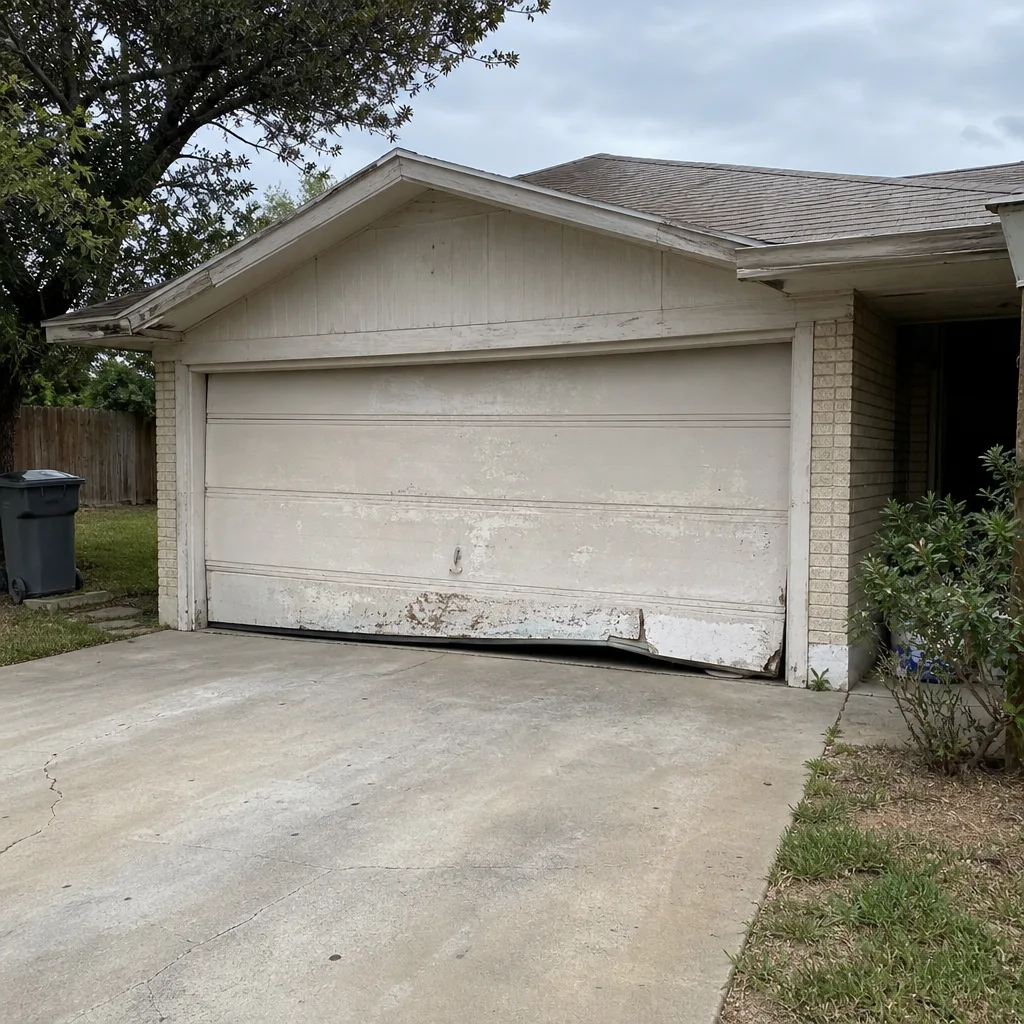
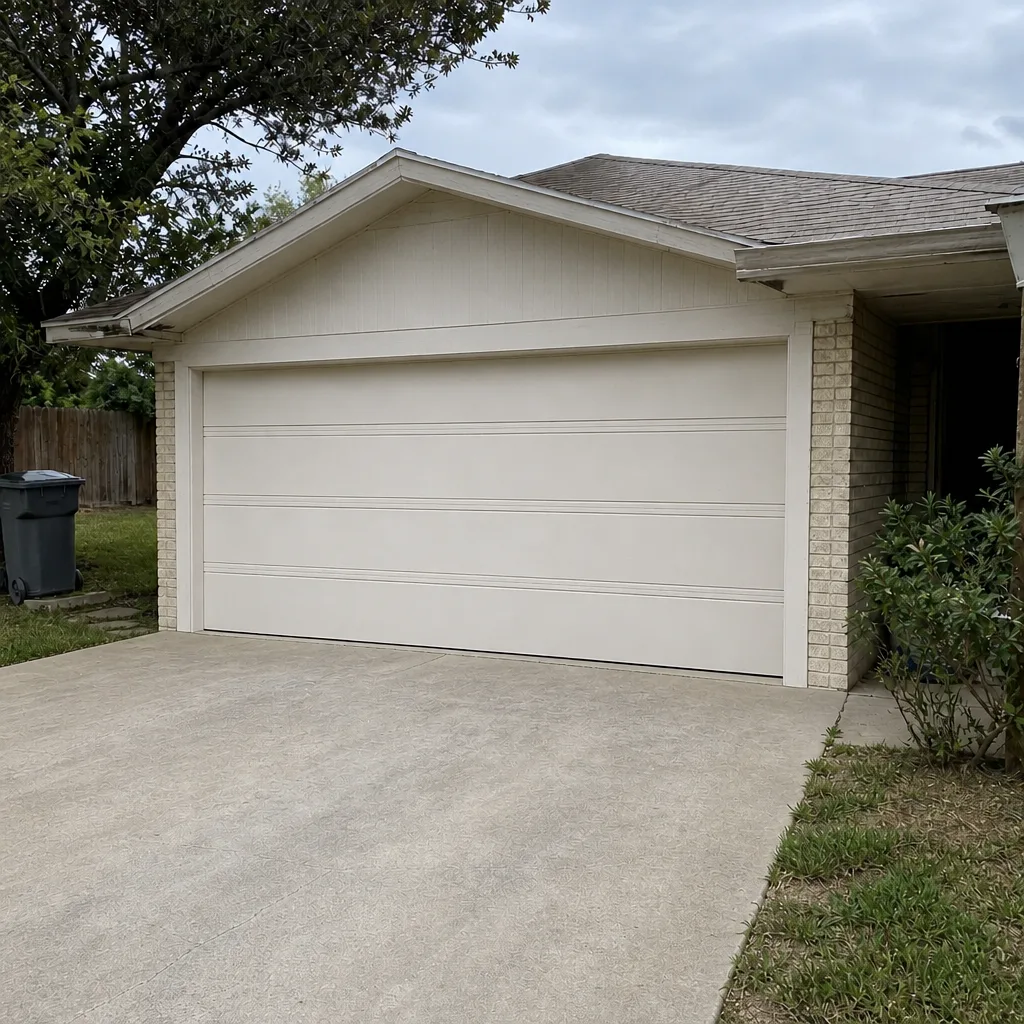
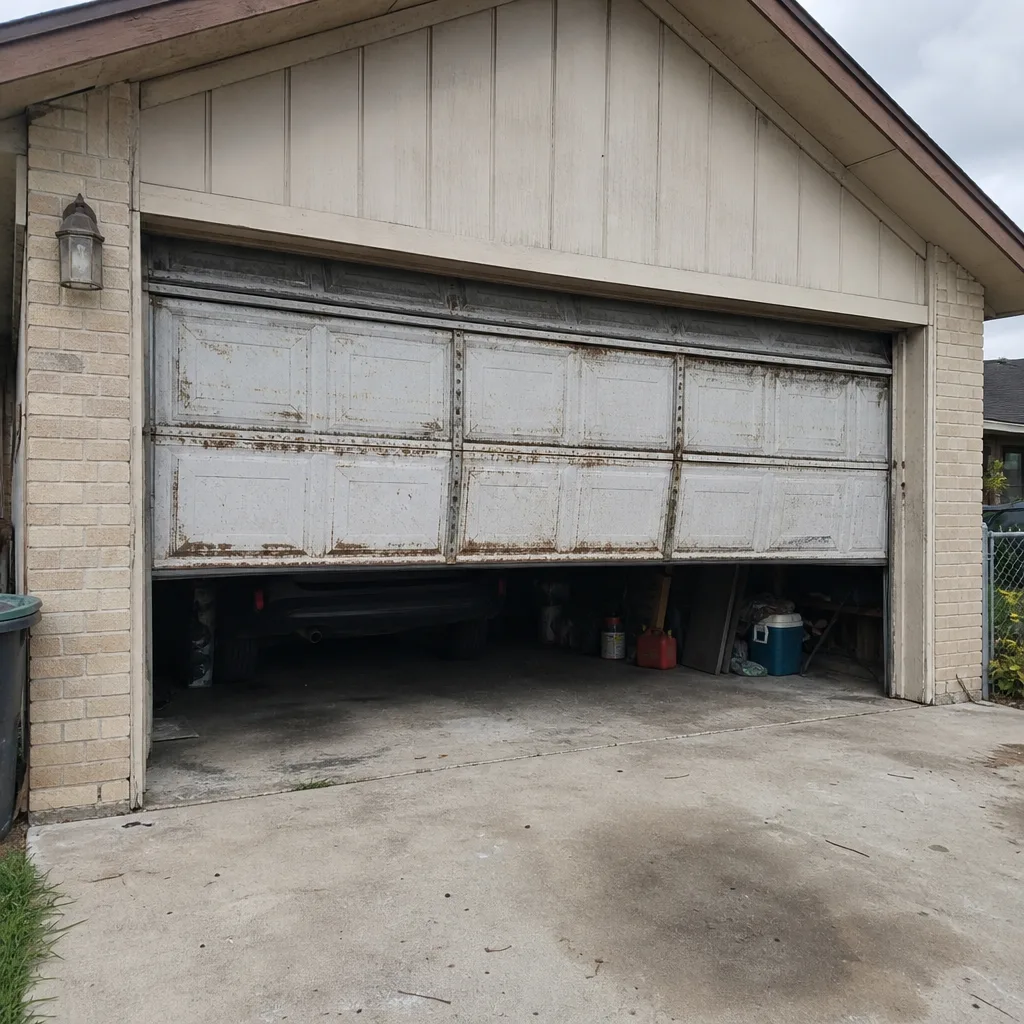
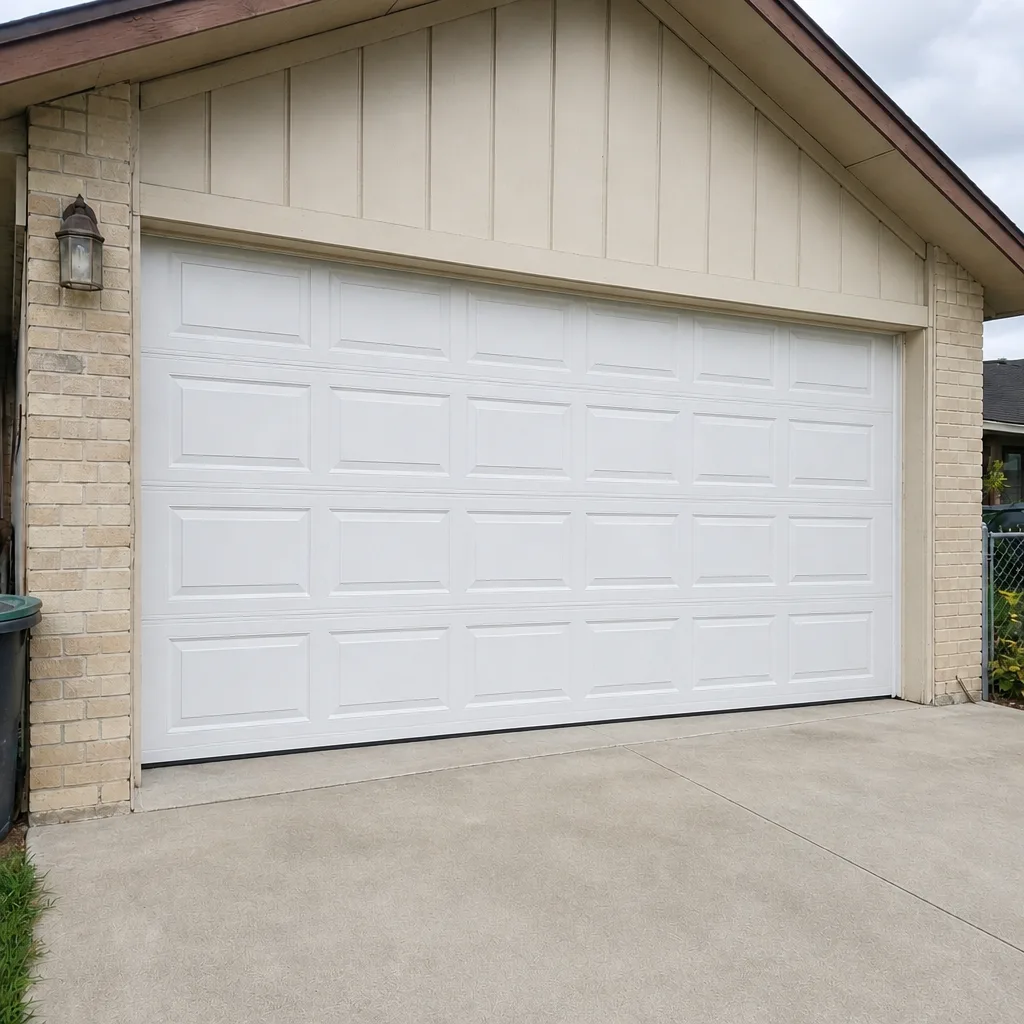
See the difference
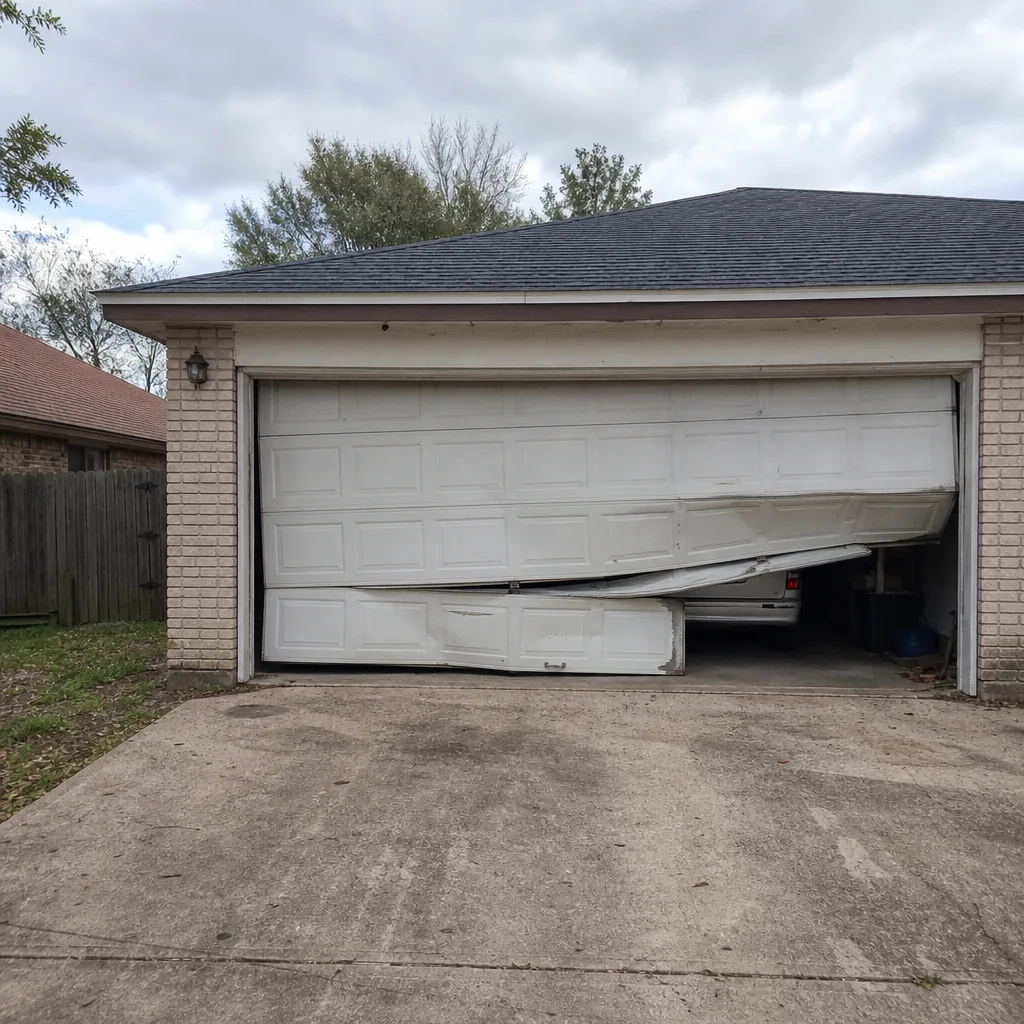 Before
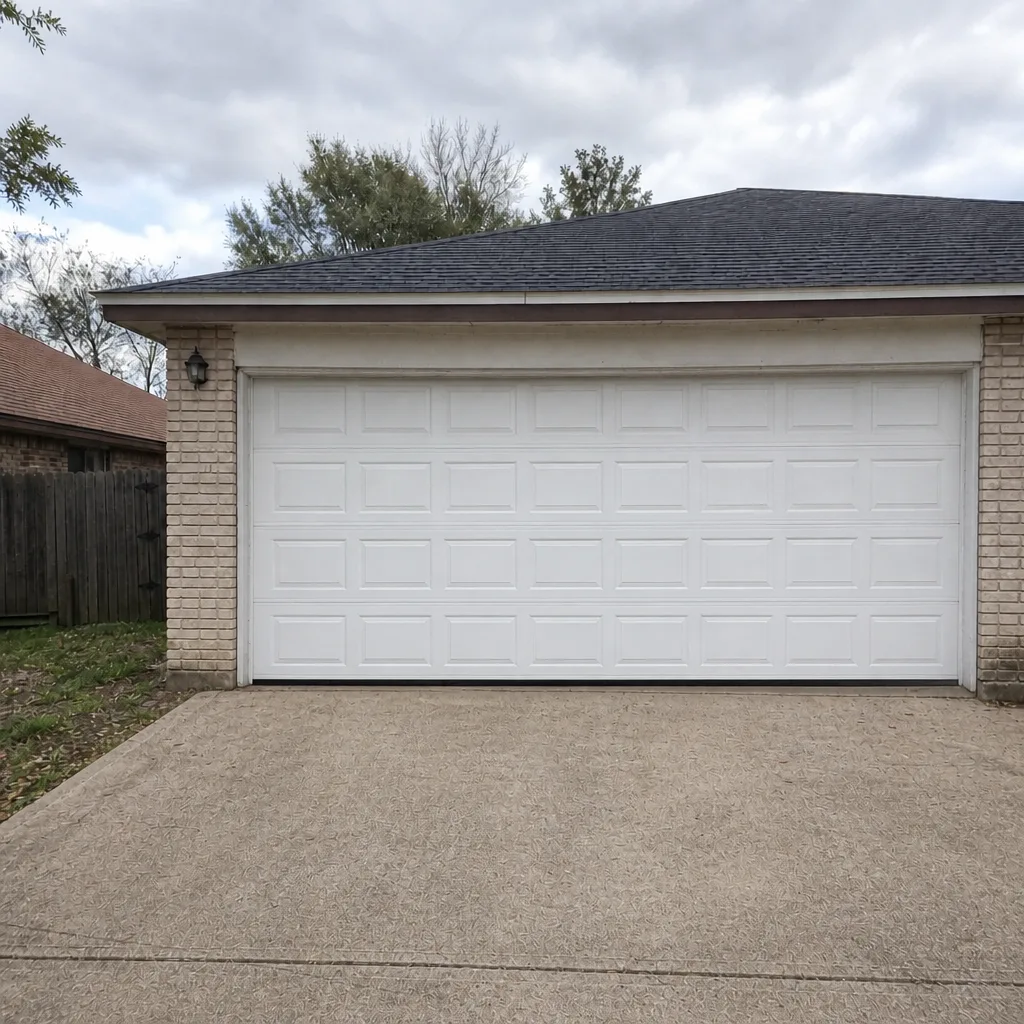 After
 Before
 After
 Before
 After
When to Call a Professional
Most of this guide is safe to do yourself. Some of it isn’t. Call a professional if the door is out of balance, if a cable or spring looks damaged, if the door comes off its track, if the opener overheats repeatedly or behaves unpredictably after a reset, or if you find pitting or flaking corrosion on a bottom bracket or cable end. Springs and cables are under extreme tension and are genuinely dangerous – never attempt to adjust or replace them yourself. If a storm knocks the door out of true or the door simply stops working, that’s the moment to call.
Polaris Garage Door Repair offers free estimates in McAllen – call (866) 285-4210. We answer 24/7, fast dispatch runs from 7am to 7pm Sunday through Friday, and our technicians have up to 12 years of experience on the full range of door and opener brands.
Frequently Asked Questions
Winter, roughly December through February, is the best window for most McAllen garage door maintenance. Temperatures are mild enough for weatherstripping to seat properly, springs to calibrate accurately, and steel doors to be repainted and cured correctly. The dry heat and humid seasons are better for inspections than for adjustments. Call (866) 285-4210 to book a winter visit – estimates are free.
Twice a year is a good baseline: once in late spring before the dry heat peaks, and once in the fall after the humid season ends. Homeowners with older doors or bare steel hardware on the bottom corners may want a third check at the end of the humid window. The visual inspection is quick – ten minutes will catch most of what matters. If anything looks off, call us for an exact quote – estimates are free.
Heat is the main reason. A garage in a McAllen summer can reach roughly 130°F, which pushes the opener motor closer to its thermal limit and thins lubricant. Symptoms include pausing, reversing, or cutting out after several cycles. Improving airflow and respecting the duty cycle help. If the problem persists, call (866) 285-4210 – our technicians work on LiftMaster, Chamberlain, Genie, and Craftsman openers, smart and legacy alike.
Close the door fully, disengage the opener with the manual release, check that the door moves by hand smoothly, then re-engage it. Test the release in the calm months, not the day before a system arrives. If the door is out of balance or the cable looks damaged, don’t force it. Call us for an exact quote – estimates are free.
That’s usually the auto-force setting no longer matching the door after the heat eases and the metal contracts. The fix is to rebalance the door by hand first, then recalibrate the force limit to the manufacturer’s procedure and re-test the safety reverse. Don’t raise the force limit to mask a mechanical problem. If a reset doesn’t fix it, call (866) 285-4210.
No – the written estimate sets the price, and we quote and agree it before any work starts. Every job is priced per job after we look at the door, and the estimate is free. There’s no surprise on the invoice. Call (866) 285-4210 for an exact quote.
The Bottom Line
McAllen’s year isn’t spring, summer, fall, winter – it’s a dry heat build-up, a humid core, a storm window, a fall reset, and a winter maintenance window. Watch tracks and opener strain from March through May, check bottom brackets and cable ends through the humid months, prepare the door and test the manual release when a system is forecast, recalibrate force settings in the fall, and use the mild winter window for the jobs that depend on cooperative temperatures. Do that, and your door lasts longer and costs less to keep working.
When you’d rather have a specialist look, Polaris Garage Door Repair offers free estimates in McAllen. Call (866) 285-4210. We answer 24/7, and fast dispatch runs from 7am to 7pm, Sunday through Friday.
Written by the team at Polaris Garage Door Repair.