
Last updated November 16, 2026
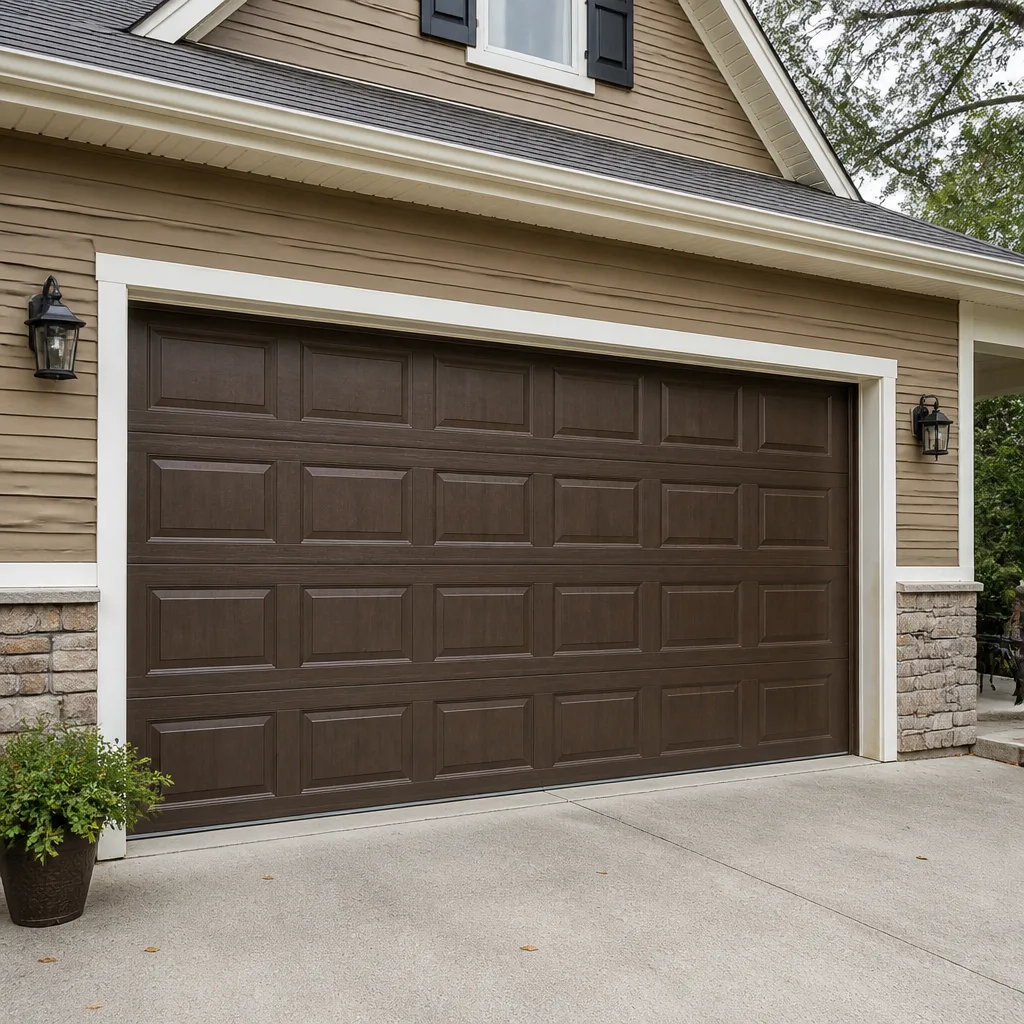 Raised-panel steel
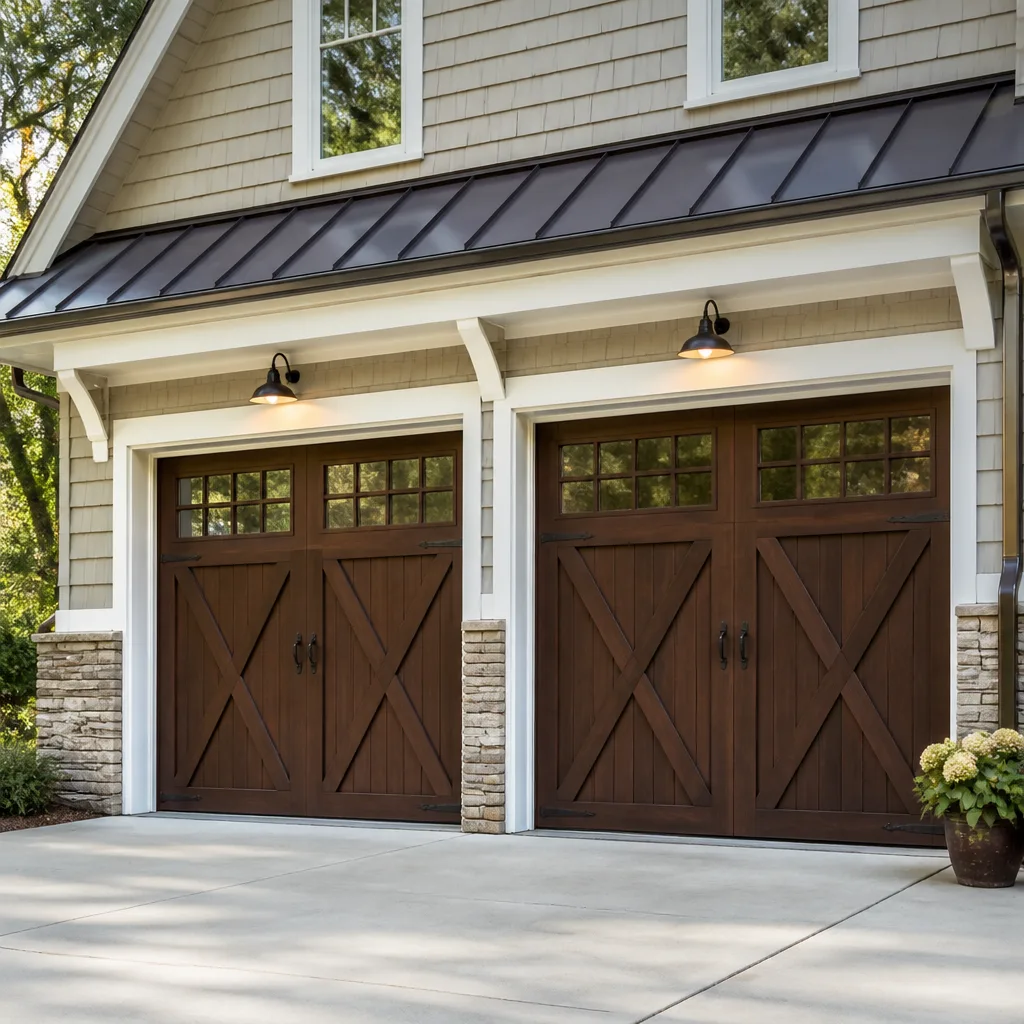 Carriage house
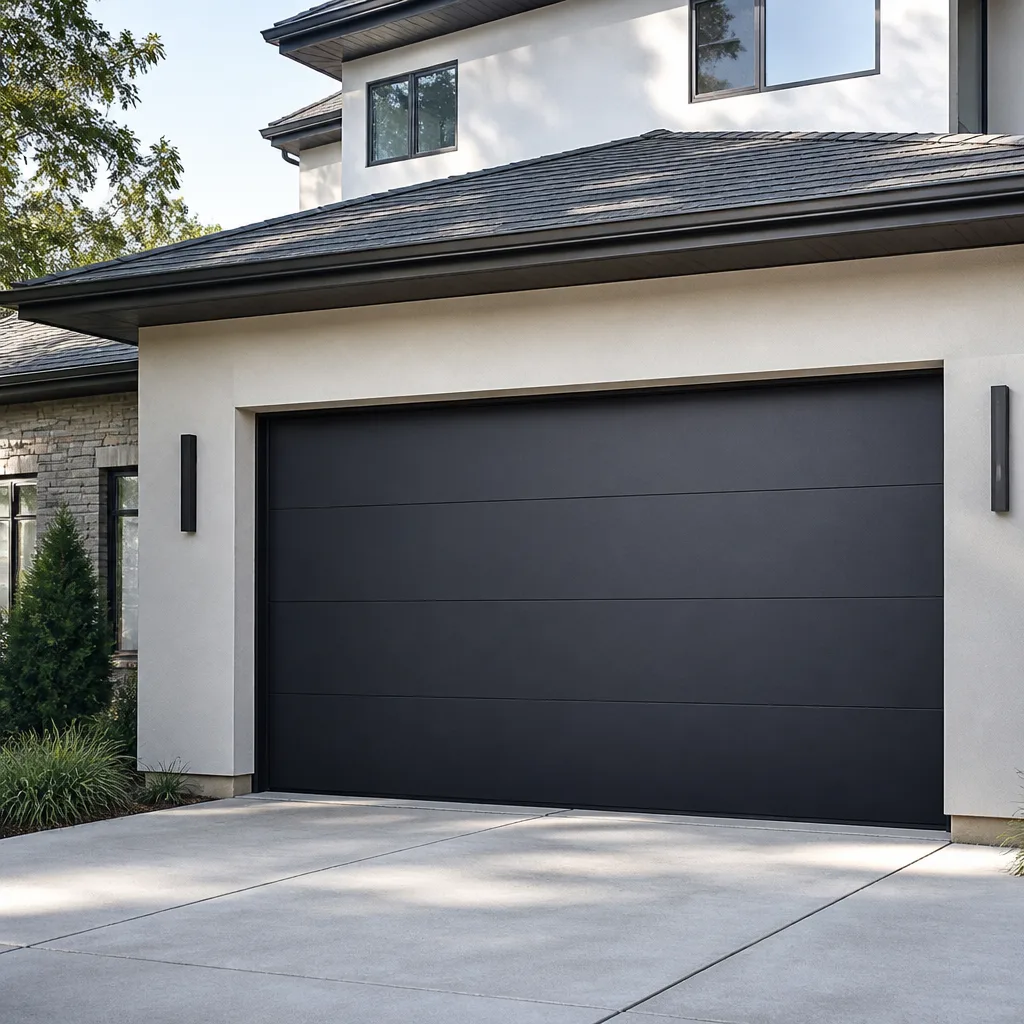 Modern flush
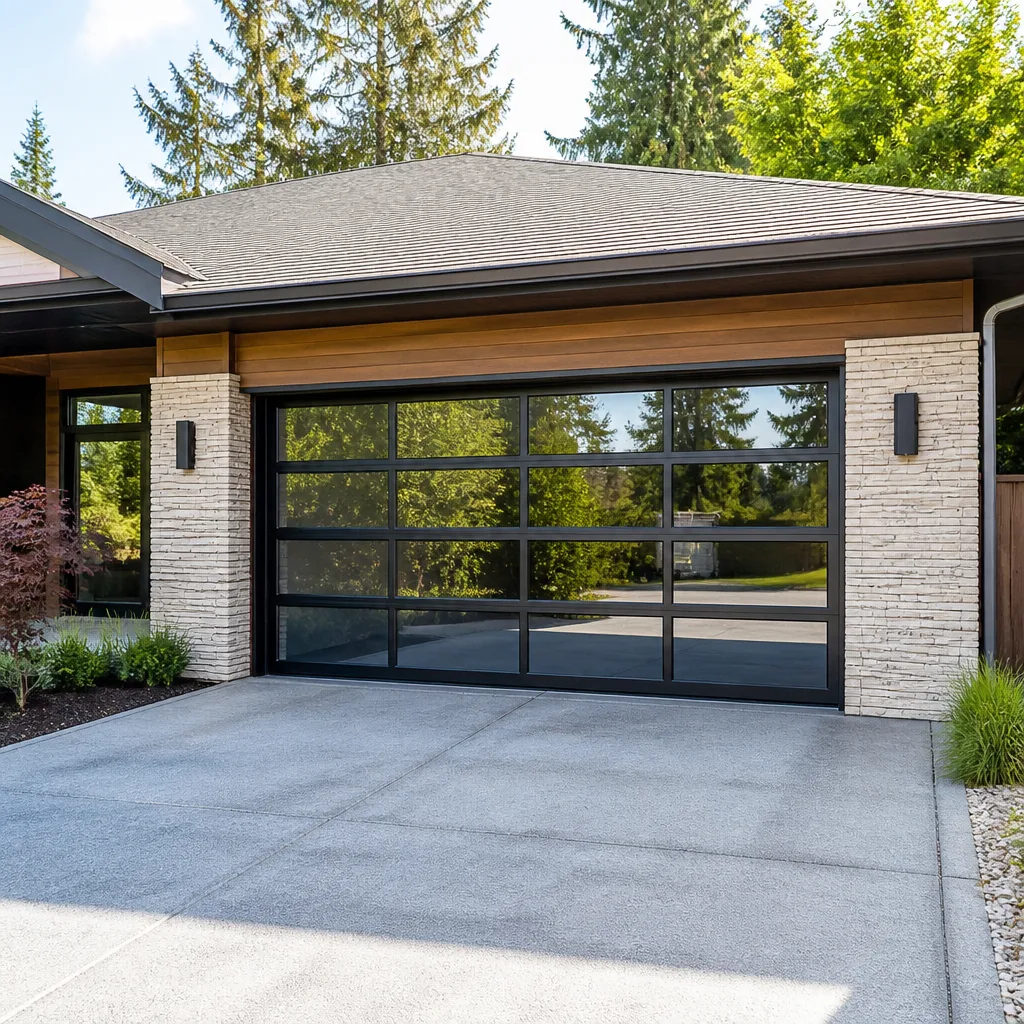 Full-view glass
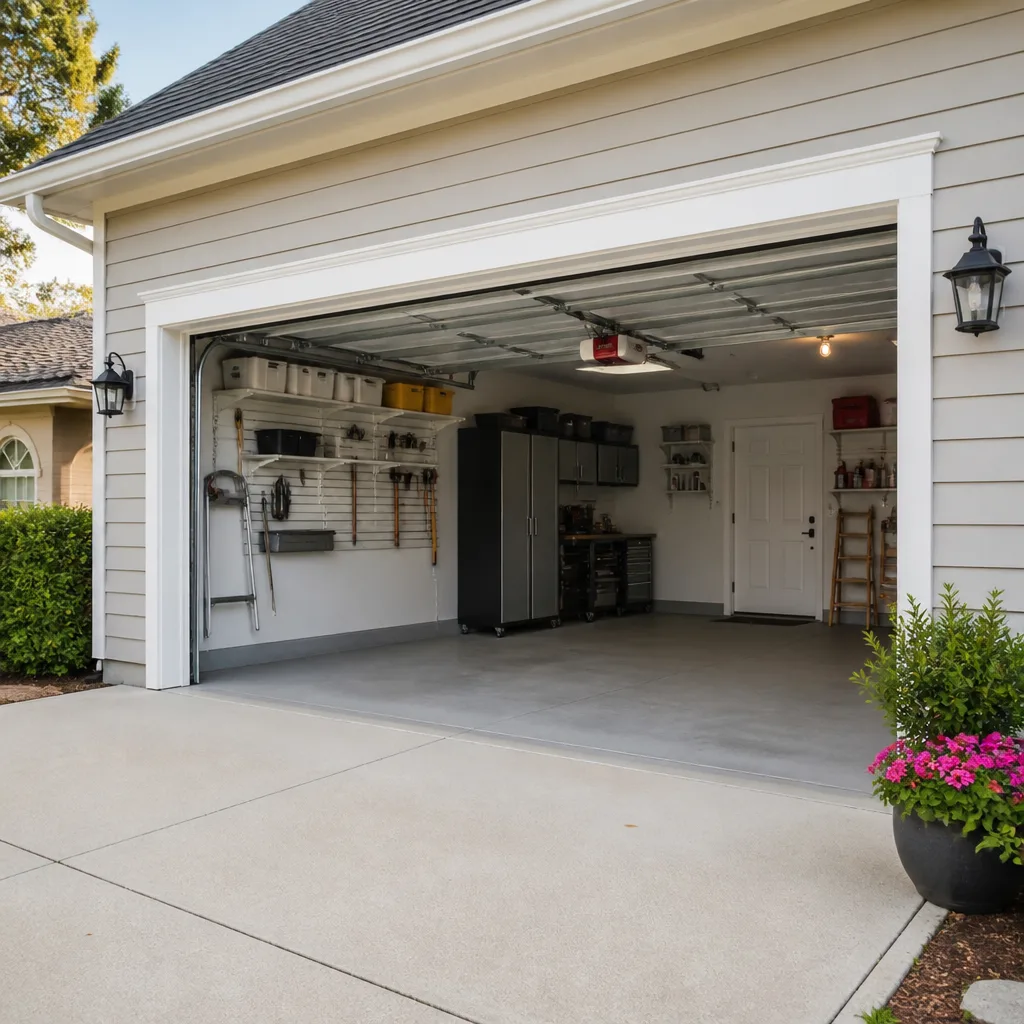 LiftMaster openers
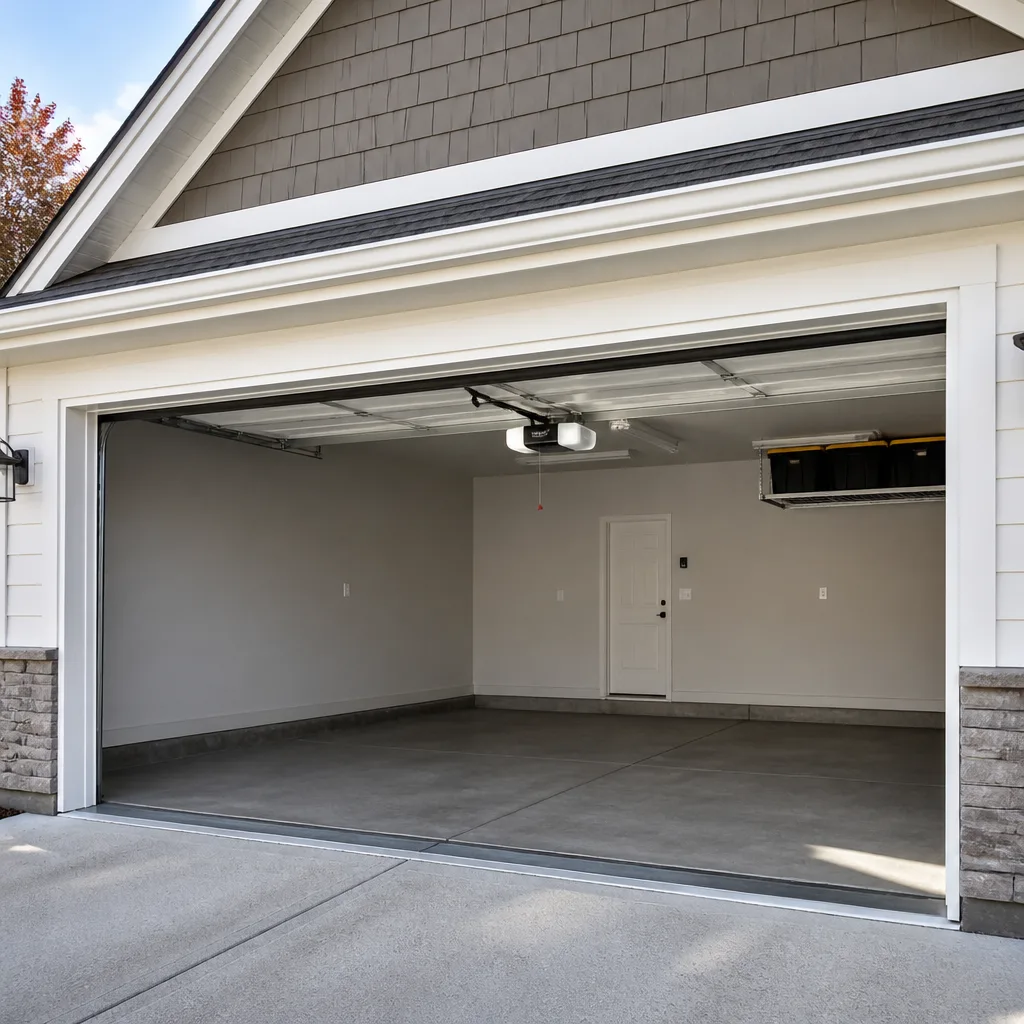 Chamberlain openers
Full 25-point door and opener safety check with every visit - springs, cables, rollers, tracks, and your LiftMaster or Chamberlain opener included
You get a price before we start. It does not change when the pro arrives.
Get your free estimateThe Complete Guide to Garage Doors in McAllen
Most McAllen homeowners think about their garage door exactly twice: the day it’s installed and the day it stops working. That’s the mistake. A garage door is a system of interdependent parts, and in McAllen those parts live in one of the harshest environments in the country. Heat, humidity, and caliche dust wear on springs, seals, and opener motors in ways no northern-climate installation guide ever accounts for. This guide breaks the whole system down – what each part does, how South Texas weather changes its lifespan, which materials hold up here, and how to spot a problem before it leaves you stranded. By the end you’ll know how to read your door’s condition and make smarter decisions about repair and replacement.
Quick Answer
A garage door in McAllen needs three things to stay reliable: hardware rated for sustained heat and UV, weather seals that survive humidity and blowing dust, and an opener and springs matched to the actual weight and age of the door. Most premature failures here trace back to one of those three being overlooked – usually when a door is replaced without upgrading the parts around it. If your door is struggling, get a free written estimate and a clear diagnosis before deciding on repair versus replacement.
Styles & brands we work with
- Raised-panel steel
- Carriage house
- Modern flush
- Full-view glass
- LiftMaster openers
- Chamberlain openers
Table of Contents
- How a Garage Door System Actually Works
- How South Texas Heat and Dust Change Everything
- Choosing Door Materials for McAllen’s Climate
- Openers: Legacy, Smart, and What Fits Your Home
- How to Read Your Door’s Age and Condition
- Common Mistakes to Avoid
- When to Call a Professional
- Frequently Asked Questions
How a Garage Door System Actually Works
A garage door is not a single product. It’s six subsystems working in tension, and a weakness in any one of them shows up as a door that binds, jerks, sags, or won’t open at all. Understanding how they connect is the difference between a repair that lasts and one that keeps coming back.
Here’s how the parts break down:
- Torsion or extension springs. These carry the weight of the door so the opener only has to guide it. Springs are the parts under the most stress, and they do the most invisible work.
- Cables. Steel cables run from the springs to the bottom corners of the door. If a cable fails, the door drops. That’s why cables and springs are evaluated together.
- Tracks. The vertical and horizontal rails that keep the door on a straight path. Bent tracks pull the door out of alignment and overload the opener.
- Rollers. The wheels that roll inside the track. They wear fastest in dusty conditions because grit grinds away the bearing surfaces.
- The opener. The motor and rail assembly that lifts and lowers the door, and the safety sensors that stop it if something’s in the path.
- Weatherstripping and seals. The bottom seal, side jambs, and top seal that block wind, rain, dust, and pests.
All six parts age on their own timeline, but they fail as a team. A spring that loses tension transfers load onto the opener. A worn roller creates friction that makes the opener work harder. A failed bottom seal lets caliche dust inside, where it finds every moving part. When we inspect a door, we look at the whole mechanism because fixing one part while ignoring its neighbors is how repairs get repeated. If you’re already seeing symptoms, our garage door repair service starts with a full-system diagnosis rather than a single-part guess.
The opener is only as good as the door it lifts
Homeowners often blame the opener when the door itself is the problem. An opener that strains, reverses, or quits is frequently reacting to a door that’s out of balance. Before anyone replaces a motor, the door should be checked for spring tension, track alignment, and roller condition. That order matters.
How South Texas Heat and Dust Change Everything
Garage doors installed and serviced to northern-climate assumptions don’t behave the way their spec sheets promise in the Rio Grande Valley. Heat changes spring behavior, UV degrades finishes and seals, humidity works on wood and metal, and dust accelerates wear on every bearing surface. This is the part most generic guides skip, and it’s the part that matters most in McAllen.
Springs and heat
Metal expands and its tension characteristics shift with sustained high temperatures. A spring that felt perfectly balanced in cooler months can feel heavier and less responsive in the thick of a South Texas summer. Springs don’t suddenly “go bad” from heat alone, but constant thermal stress shortens their service life and makes a fatigued spring fail sooner. In our experience, springs here are used hard, and they’re the first component we check when a door starts feeling heavy or the opener is straining.
Seals and humidity
Rubber and vinyl bottom seals are the door’s first line of defense against humidity and dust, and they take a beating. Heat bakes them, humidity keeps them pliable in a way that accelerates cracking, and constant contact with a hot concrete slab wears them out. A seal that’s cracked or pulled loose lets water, dust, and pests into the garage, and it also changes how the door sits.
Opener motors and dust
Opener motors run hotter in a garage that already holds heat, so they work harder on every cycle. Add caliche dust working into the rail and gears, and a motor that should last a long time gets a shorter one. Cleaning and lubricating the moving parts on a schedule – and keeping the sensors clear of grit – directly extends motor life.
UV and finish
Sun exposure fades paint, chalks surfaces, and can degrade cheaper finishes faster in McAllen’s climate. A door facing south or west takes more UV than one in shade, which is worth weighing when you choose materials.
Choosing Door Materials for McAllen’s Climate
Material choice affects how a door looks, how much maintenance it needs, and how well it holds up to UV and humidity. Ranked for McAllen’s conditions, here’s how the common options compare.
- Steel. The most common choice for good reason. Galvanized steel handles heat and humidity well, resists warping, and takes a finish that holds up to sun. Insulated steel panels add rigidity and heat resistance. Watch the paint and touch up chips before rust starts.
- Aluminum. Lightweight and rust-resistant, good for humid conditions. Because it’s lighter it may need different spring sizing, and it can dent more easily than steel.
- Fiberglass. Resists heat and moisture, won’t warp or rust, and holds color reasonably well. It can become brittle with long-term UV exposure, so finish quality matters.
- Wood composite. The most attractive option for many homes and the most demanding to maintain here. In McAllen’s humidity, any wood content needs careful finishing and periodic upkeep to keep moisture out.
Whichever material you choose, confirm that the hardware around it – springs, hinges, rollers, and opener capacity – is matched to the door’s weight and size. Lighter doors need less spring tension; heavy insulated doors need more. Getting this wrong is one of the most common causes of early system failure. Brand-name doors like Clopay and Amarr come in several material and insulation configurations, and the right spec depends on your opening, your facing direction, and how much the door gets used.
Openers: Legacy, Smart, and What Fits Your Home
Openers have changed more than any other part of the system. The basic belt or chain drive that lifts a door is still the core function, but modern units add Wi-Fi control, quieter operation, battery backup, and smarter safety sensing. Choosing well means matching the opener to the door and the way you actually use it.
- Drive type. Belt drives run quieter and suit a garage under or beside bedrooms. Chain drives are louder but durable. Screw drives are a middle option.
- Lifting capacity. The opener must be rated for the weight of your door, especially if you added insulation or a heavier material.
- Safety sensors. Non-negotiable. The photo-eye sensors that reverse the door must be aligned and clear of dust, which in McAllen means checking them after windy periods.
- Smart and Wi-Fi control. App control and alerts let you check whether the door is closed and open it remotely. Brand support for these features varies, so match the app ecosystem to the opener brand.
- Battery backup. Worth considering if your household depends on the garage as a primary entry.
The big opener brands – LiftMaster, Chamberlain, Genie, and Craftsman – all have both legacy and current smart models, and the parts that fail are often specific to a generation of hardware. Knowing the brand and model matters when a motor, logic board, or remote needs replacing. That’s why opener work is its own specialty. If your opener is the trouble, garage door opener repair focuses on the motor, sensors, remotes, and logic rather than the door panels themselves.
When to repair versus replace an opener
Remotes, sensors, and logic boards are usually repairable. A motor that’s grinding, straining, or failing to lift a door that’s in balance is often a candidate for replacement, especially if it’s a legacy model without modern safety features. The honest answer depends on the diagnosis, and we’d rather tell you which option actually makes sense than sell a new opener you don’t need.
How to Read Your Door’s Age and Condition
Before you call anyone, you can learn a lot about your door by looking carefully. The age of your system and its physical condition tell you whether a repair will hold or whether you’re heading toward replacement. Here’s how to read it.
- Find the manufacturer label. Most doors carry a sticker or plate with the model and, often, a serial number. The serial can help a specialist match parts and estimate age. Note the brand and model before you call.
- Look for wear at the bottom. Rust, rot, or a sagging bottom panel is the first sign the door is taking moisture. In McAllen’s humidity, the bottom edge of the door is the first thing to go.
- Check the seals and jambs. Cracked bottom seals, gaps at the sides, and daylight showing through tell you weatherstripping is overdue.
- Test the balance. With the opener disconnected and the door partway up, a balanced door should hold roughly in place. If it drops or rises on its own, springs or cables need attention – don’t attempt any adjustment yourself.
- Listen for the strain. Grinding, scraping, or a door that jerks on its way up points to worn rollers or a track issue. A door that reverses on its own is a sensor or safety problem.
- Note the finish. Fading, chalking, or flaking paint is a sign of UV wear and a cue to refinish before the surface underneath suffers.
Write down what you find – brand, model, symptoms, and any visible wear – and you’ll get a more accurate diagnosis and estimate when you call. If you’re comparing companies, our Polaris Garage Door Repair team is happy to walk through what you’re seeing before anyone comes out.
Common Mistakes to Avoid
- Replacing a door without upgrading the opener and springs. A heavier or better-sealed new door needs hardware matched to its weight. Reusing the old opener and springs is the fastest route to a premature failure in McAllen.
- Ignoring the bottom seal until it’s gone. In a dusty, humid climate, a failed seal lets the very grit that wears out rollers and tracks inside. Check it at least twice a year.
- Choosing door material by looks alone. A beautiful wood composite door can be the right choice or the wrong one depending on how much maintenance you’re willing to do. Match the material to your tolerance for upkeep and to the door’s sun exposure.
- Skipping lubrication and sensor cleaning. Movers that never get lubricated wear faster, and dusty photo-eye sensors cause doors to reverse for no apparent reason. A little attention goes a long way.
- Letting a pro replace springs or cables without inspecting the rest of the system. Springs and cables are under extreme tension and can cause serious injury if handled by an untrained person. More importantly, a spring failure often signals worn rollers or a misaligned track – fix all of it or it comes back.
- Assuming the best-known brand equals the best fit. A respected brand is only as good as the model and spec chosen for your door, your climate, and your usage. Ask why a specific model fits your situation.
- Buying a cheap door and expecting it to last through South Texas summers. The sun and heat test every finish and seal. A modest upgrade in material and insulation often pays off in longevity.
When to Call a Professional
Some things are fine to check yourself. Others are genuinely dangerous or require tools and training you don’t have. Call a specialist if a spring or cable is broken, if the door is sagging, if the door reverses or won’t stay closed, if the track is bent, if the opener strains or grinds, or if you’re considering replacing any component under tension. Springs and cables carry serious stored energy and can cause severe injury – never attempt to adjust, remove, or replace them yourself. Electrical work on opener wiring belongs with someone who knows what they’re doing. For the rest – seals, rollers, sensors, remotes – a specialist can confirm the diagnosis quickly. Polaris Garage Door Repair offers free estimates in McAllen – call (866) 285-4210. We answer 24/7. Fast dispatch from 7am to 7pm, Sunday through Friday.
See the difference
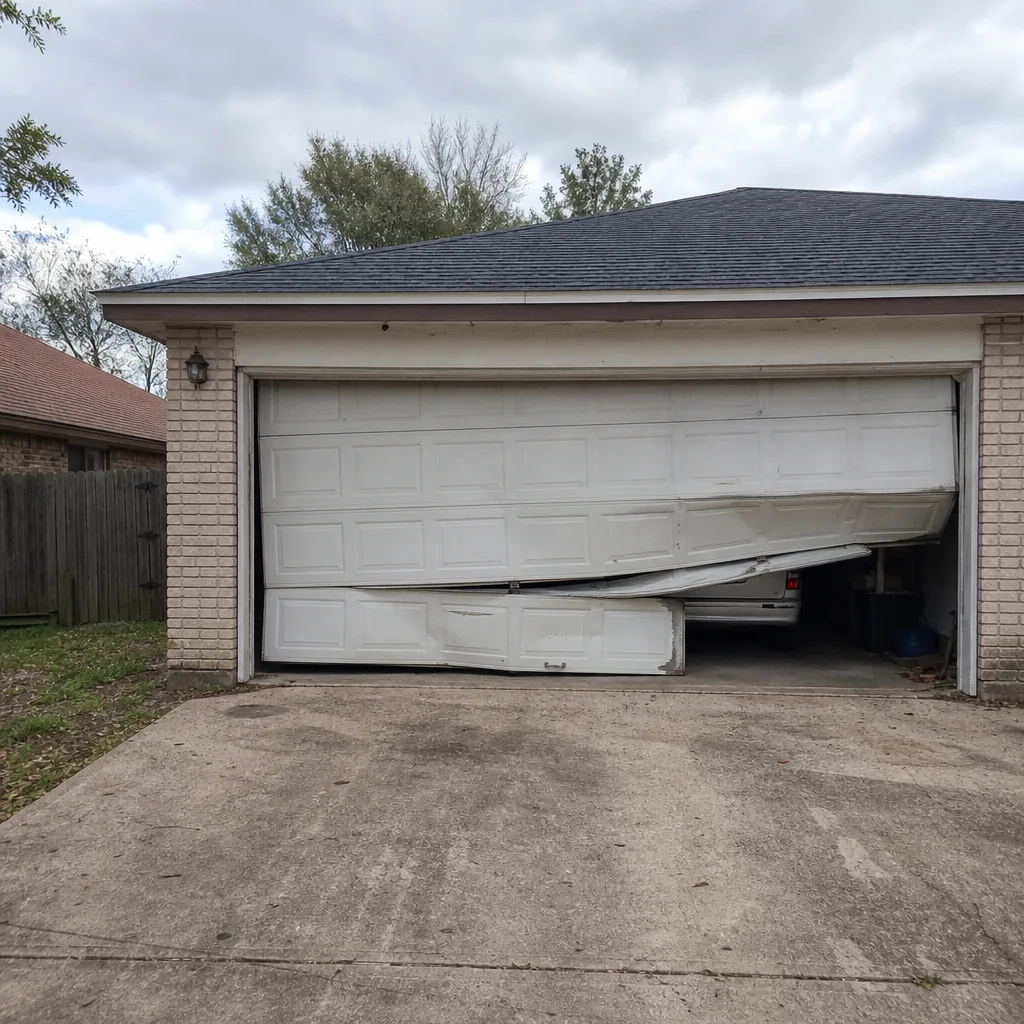 Before
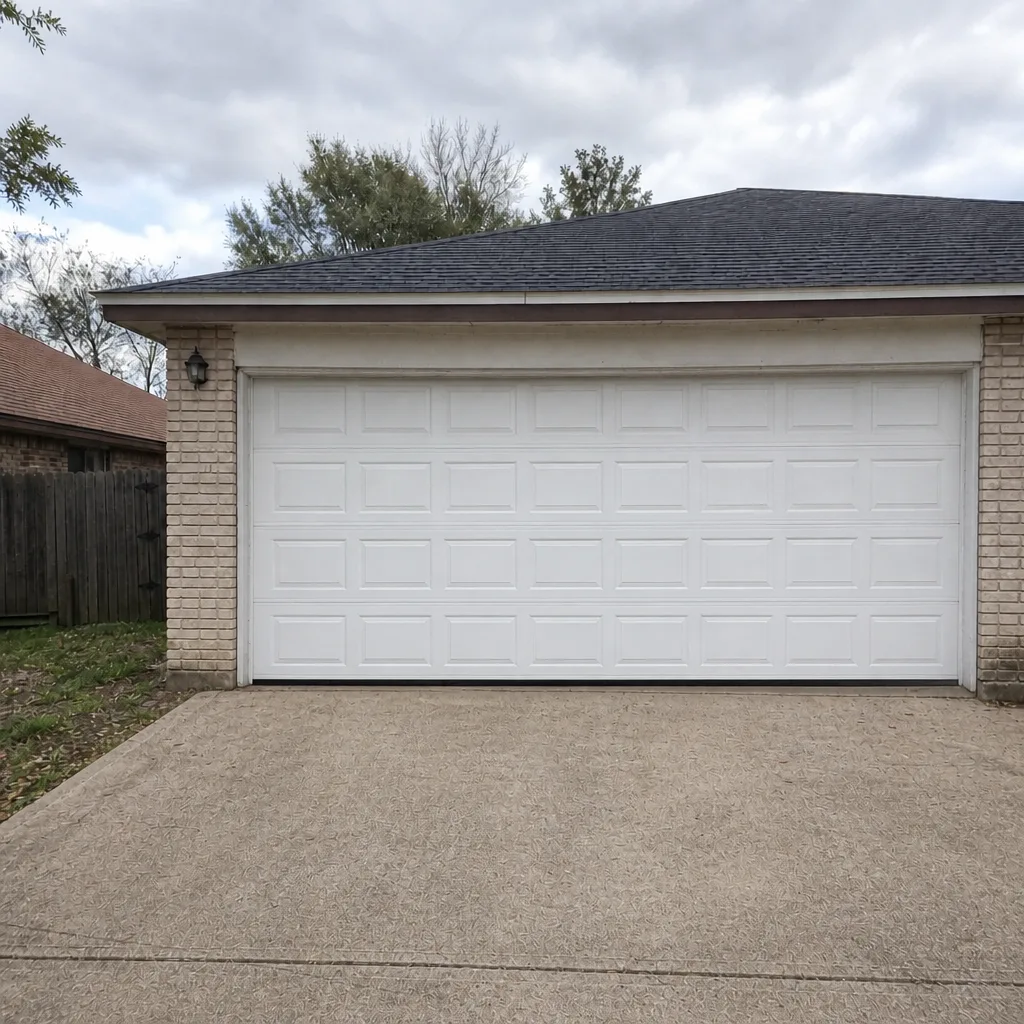 After
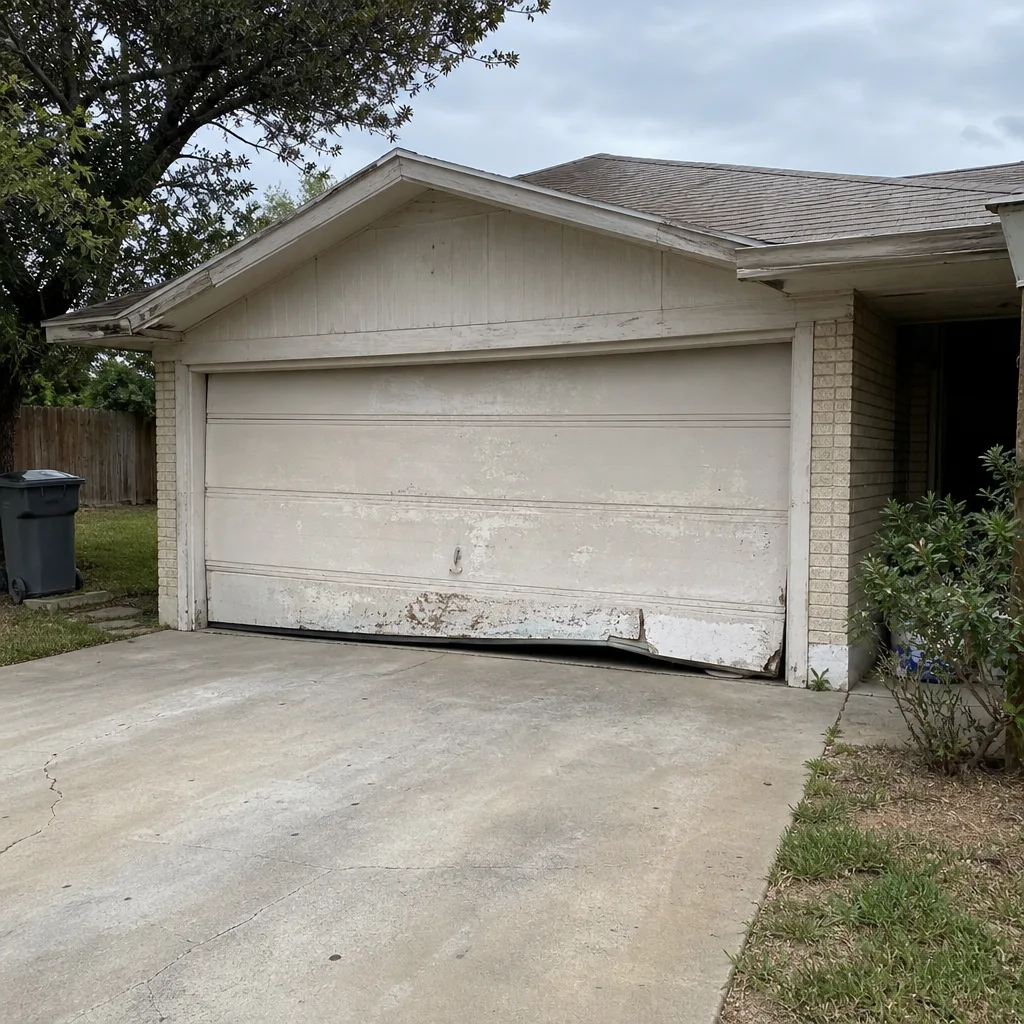 Before
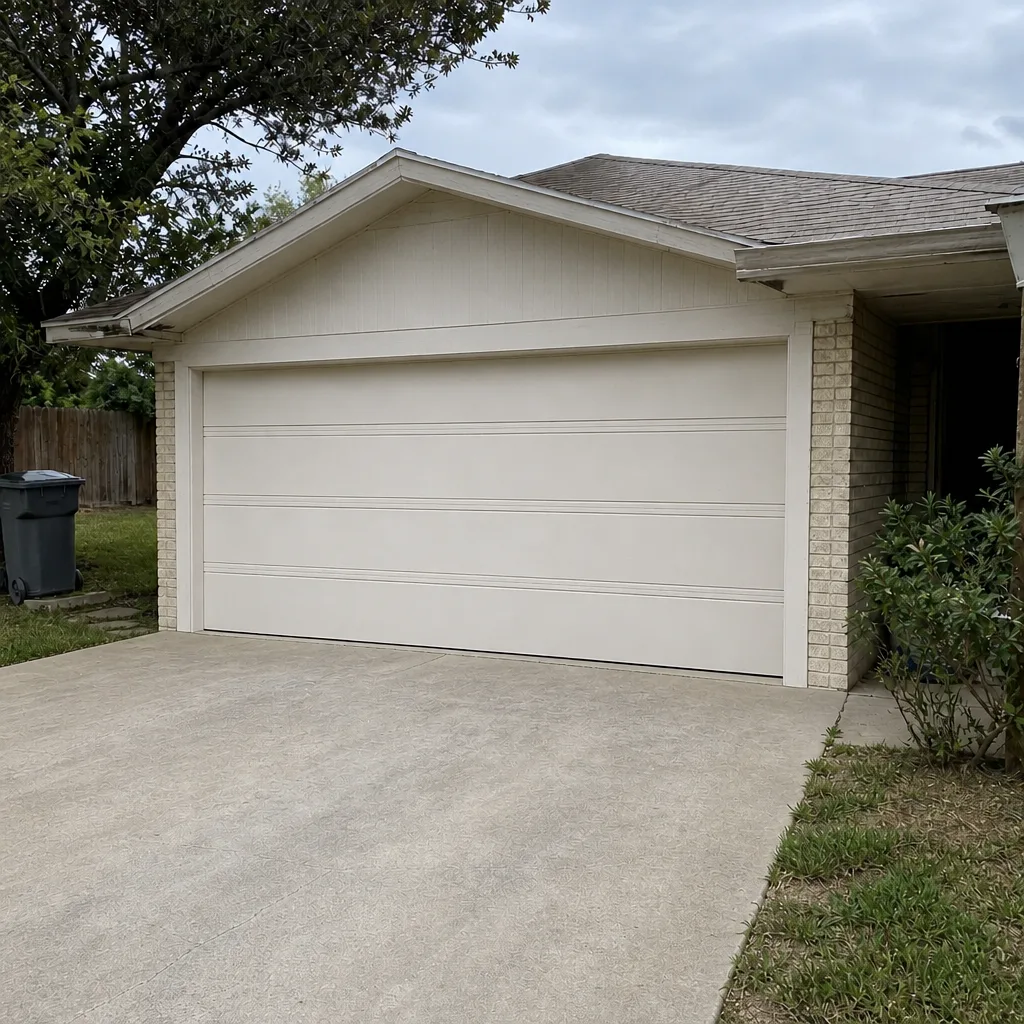 After
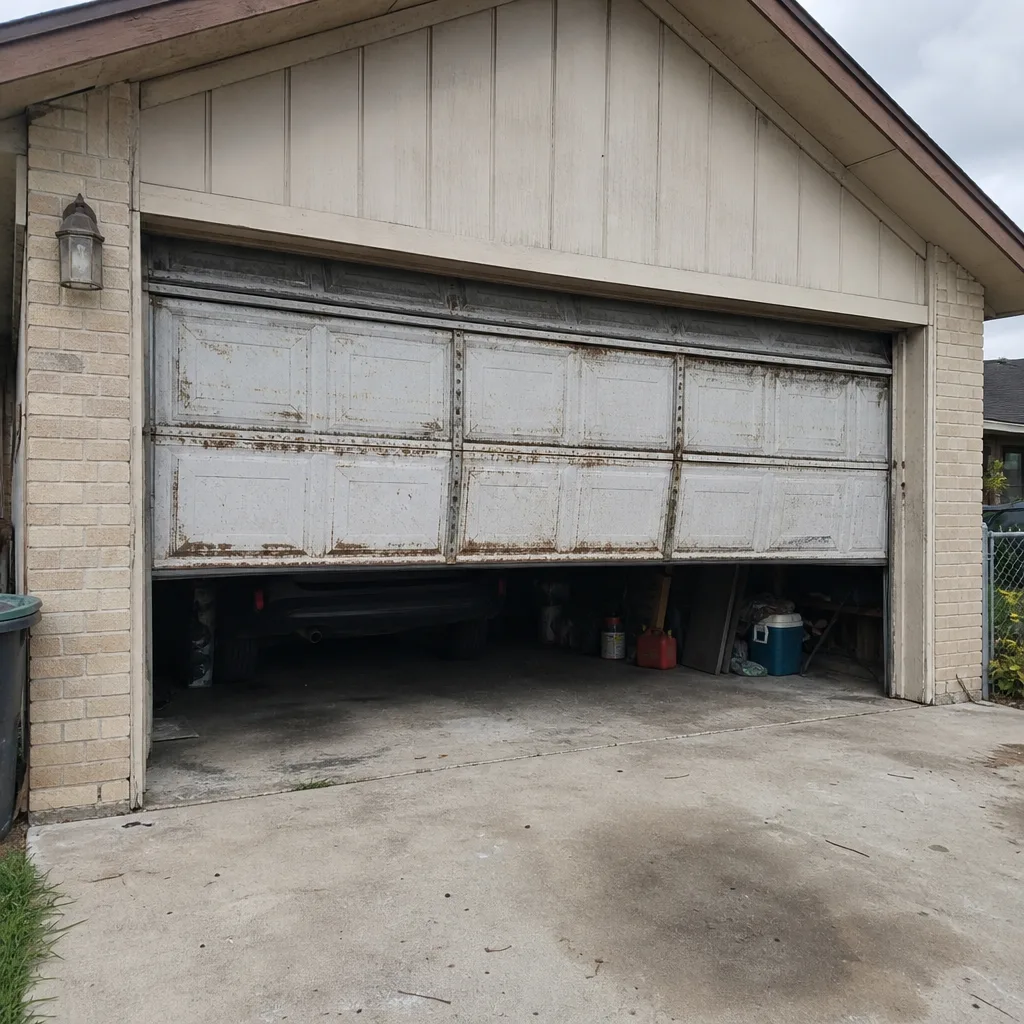 Before
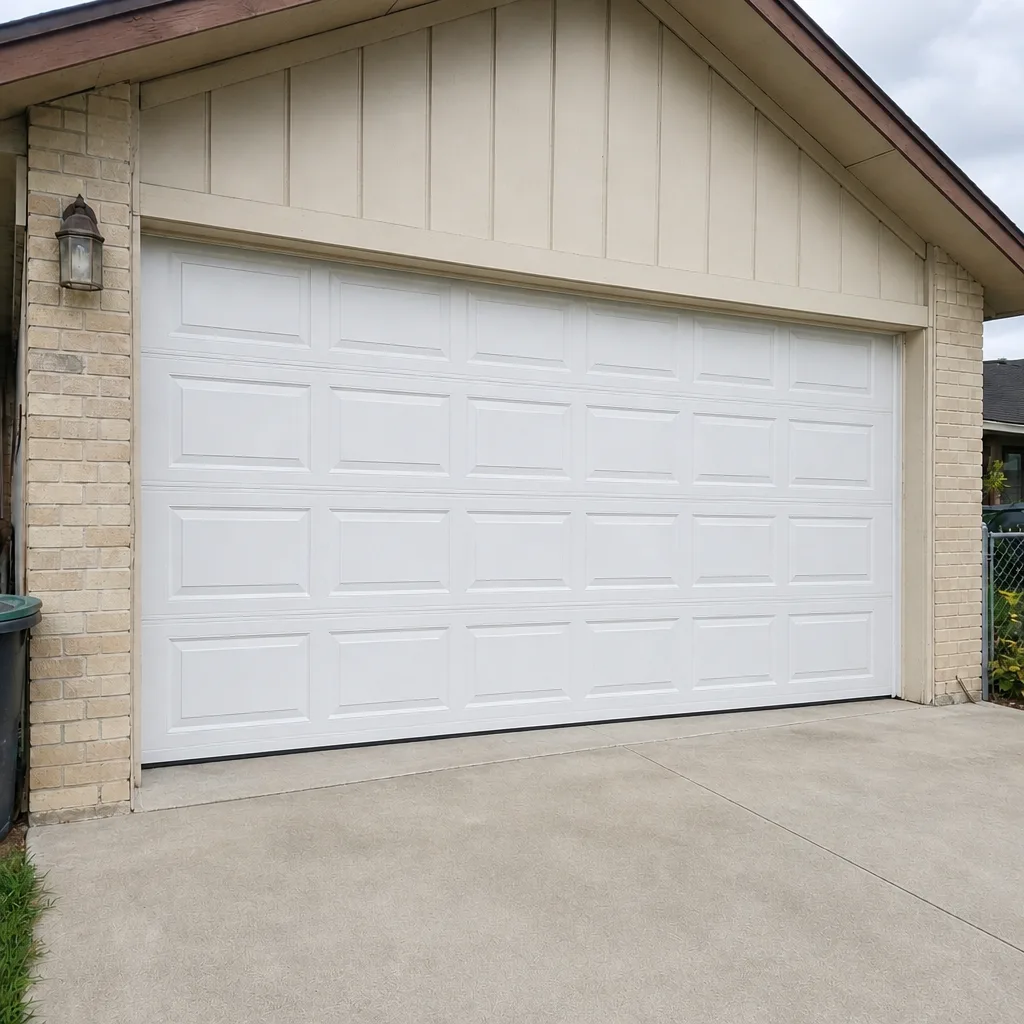 After
Frequently Asked Questions
Repair pricing is set per job by a written estimate, and estimates are free. The cost depends on the part and the diagnosis – a spring repair or a sensor adjustment is a very different job from a track repair. The written estimate sets the final price before any work starts. Call (866) 285-4210 for an exact quote.
Same-day service is often available for repairs. For a door that won’t open or close, call and we’ll get you on the schedule. We answer 24/7. Fast dispatch from 7am to 7pm, Sunday through Friday. Call (866) 285-4210.
No. We diagnose the door, give you a written estimate, and the price you agree to is the price you pay. If the diagnosis turns up more than expected, we talk it through with you before any additional work is done. No surprise charges.
Our technicians are trained specialists, and our work is backed by insurance and bonding. Our technicians have up to experience, and they work on the full range of leading brands including LiftMaster, Chamberlain, Genie, Clopay, Amarr, Wayne Dalton, Craftsman, and Raynor. Call (866) 285-4210 to ask about your specific system.
That pattern usually points to a door problem rather than the opener – a bound track, worn rollers, or failed springs. The opener is running, but the door is stuck. This is a job for a technician, since springs and cables are involved. Call (866) 285-4210 for a diagnosis.
If the door structure is sound and only a part or two has failed, repair makes sense. If the door has extensive rust, rot, or multiple failing components, replacement is often the better value. The right answer depends on the condition of the whole system, which is why we inspect all of it before recommending one.
The Bottom Line
Your garage door is a system, not a single product. Springs, cables, tracks, rollers, openers, and seals all work together, and in McAllen’s heat, humidity, and dust, the weak link is usually the part no one looked at. Read your door’s age and condition, match the hardware to your door’s weight, and never tackle springs or cables yourself. When it’s time for a diagnosis, a free estimate from a specialist is the smartest first step. Anywhere in McAllen, including the neighborhoods around Doolittle, a knowledgeable technician makes the difference between a fix that lasts and one that keeps coming back.
Ready for an honest diagnosis and a written price? Call (866) 285-4210 for a free estimate. We answer 24/7. Fast dispatch from 7am to 7pm, Sunday through Friday.
Written by the team at Polaris Garage Door Repair.