
Last updated November 16, 2026
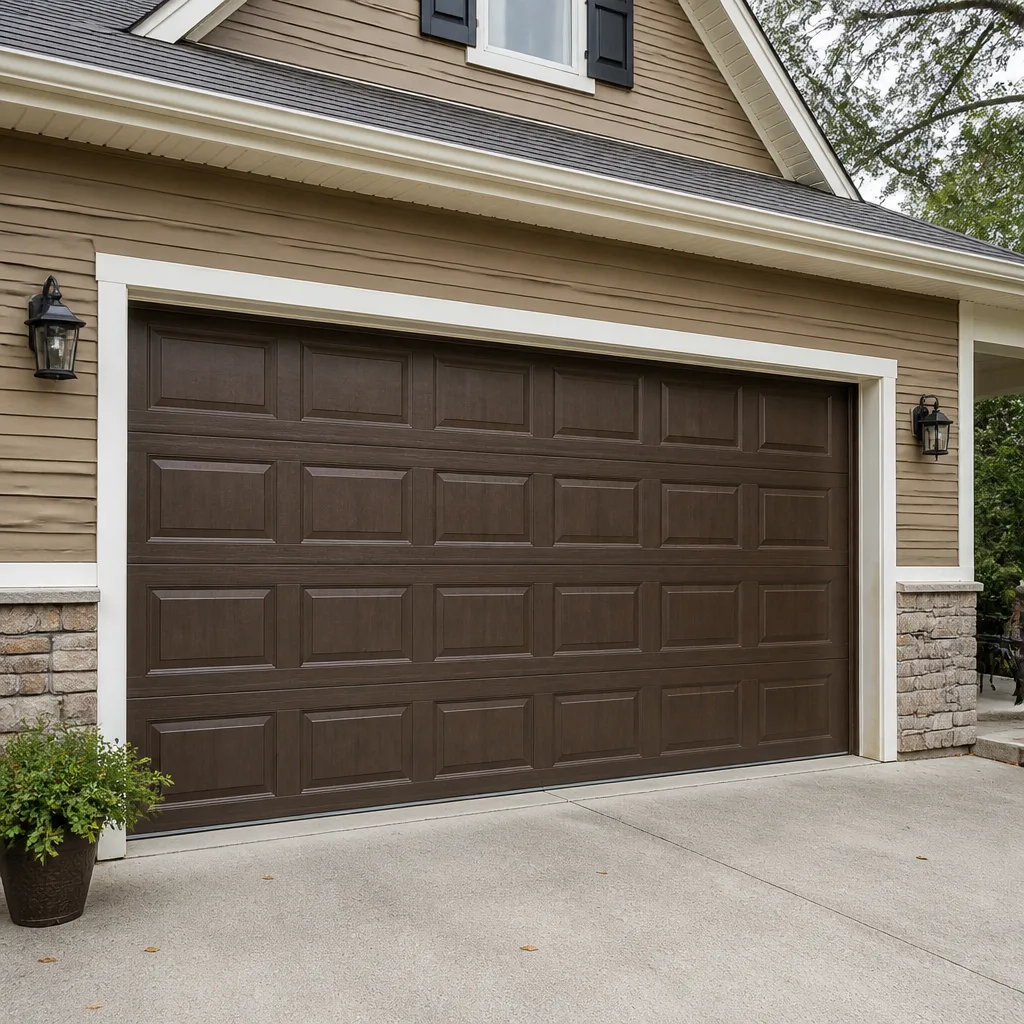 Raised-panel steel
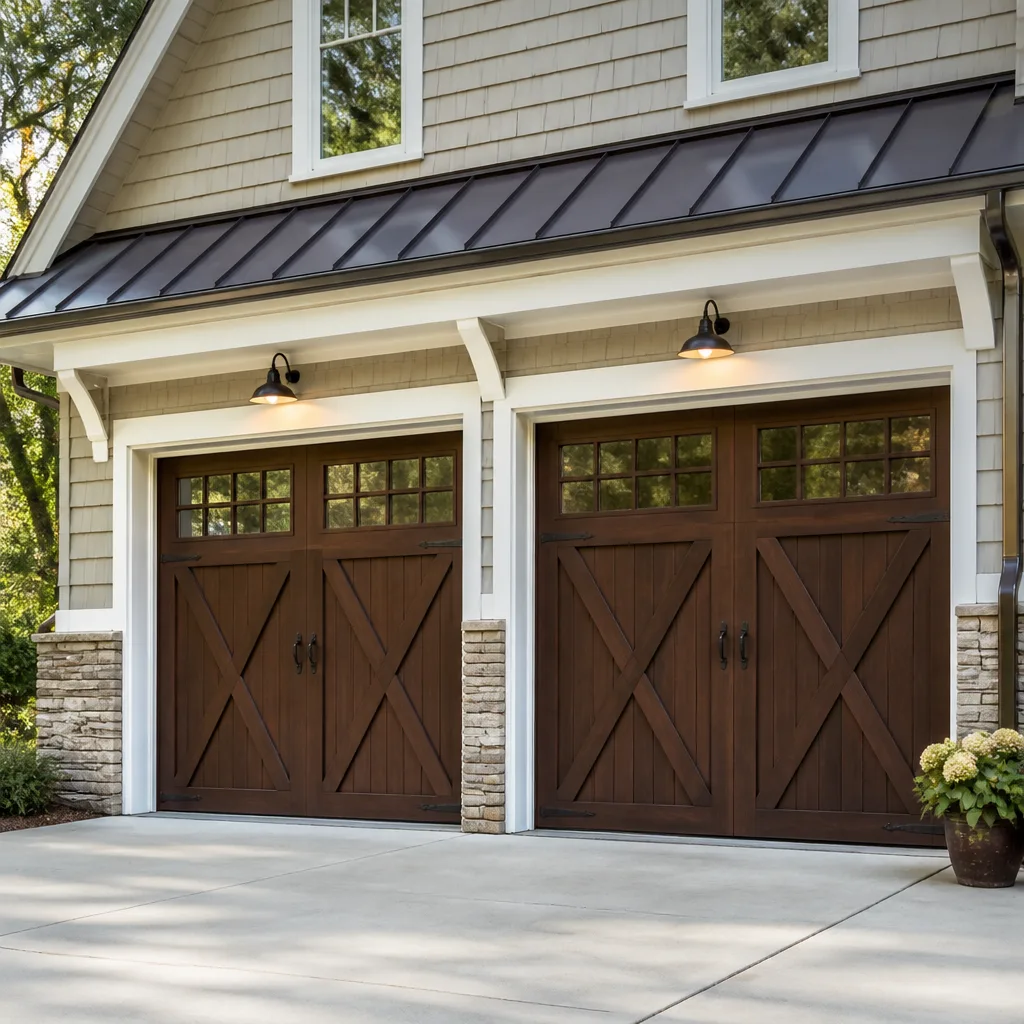 Carriage house
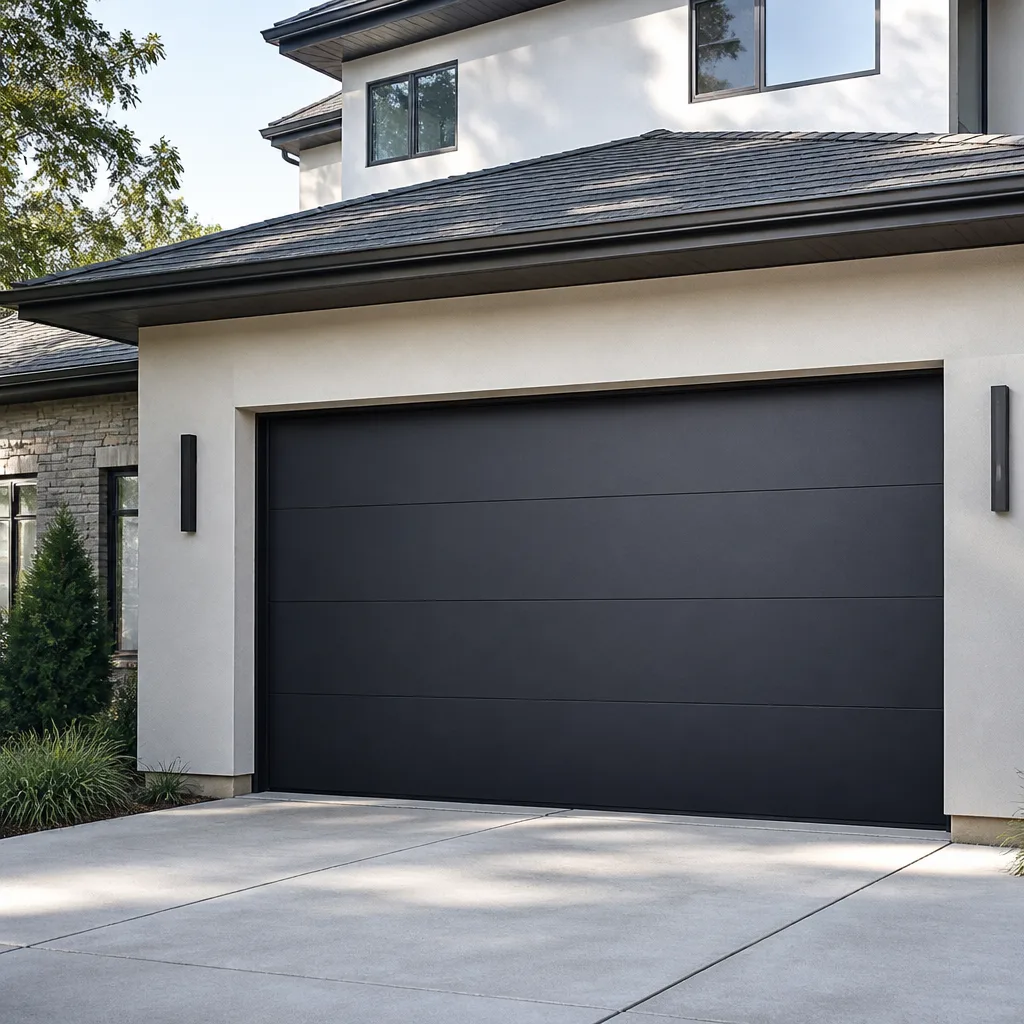 Modern flush
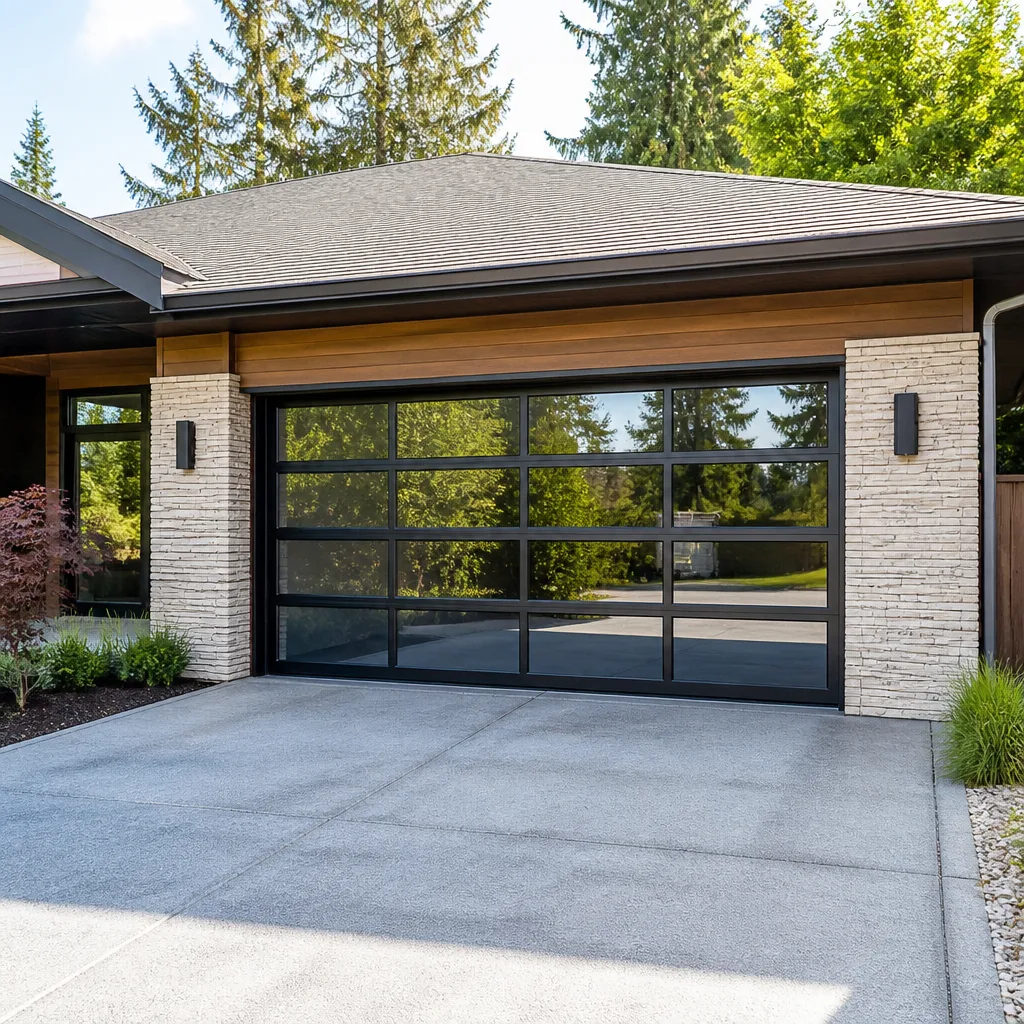 Full-view glass
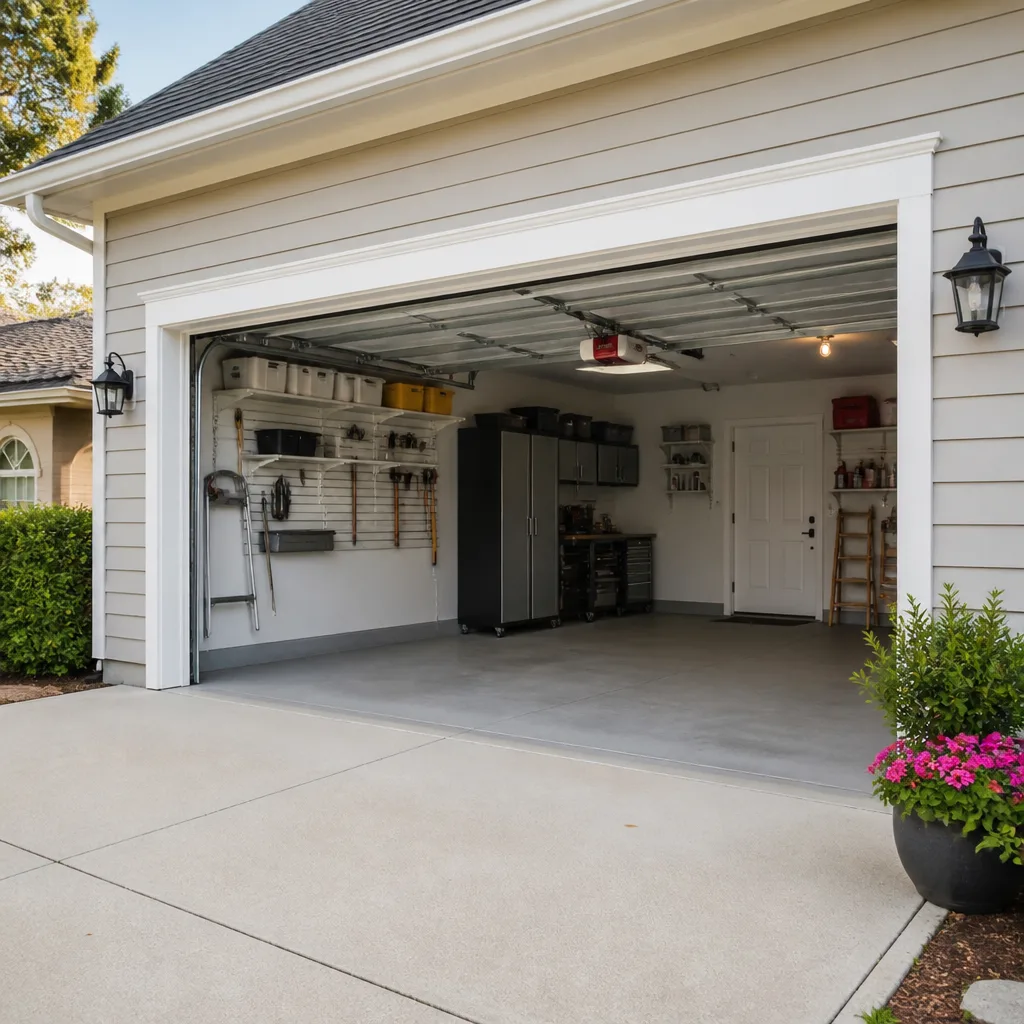 LiftMaster openers
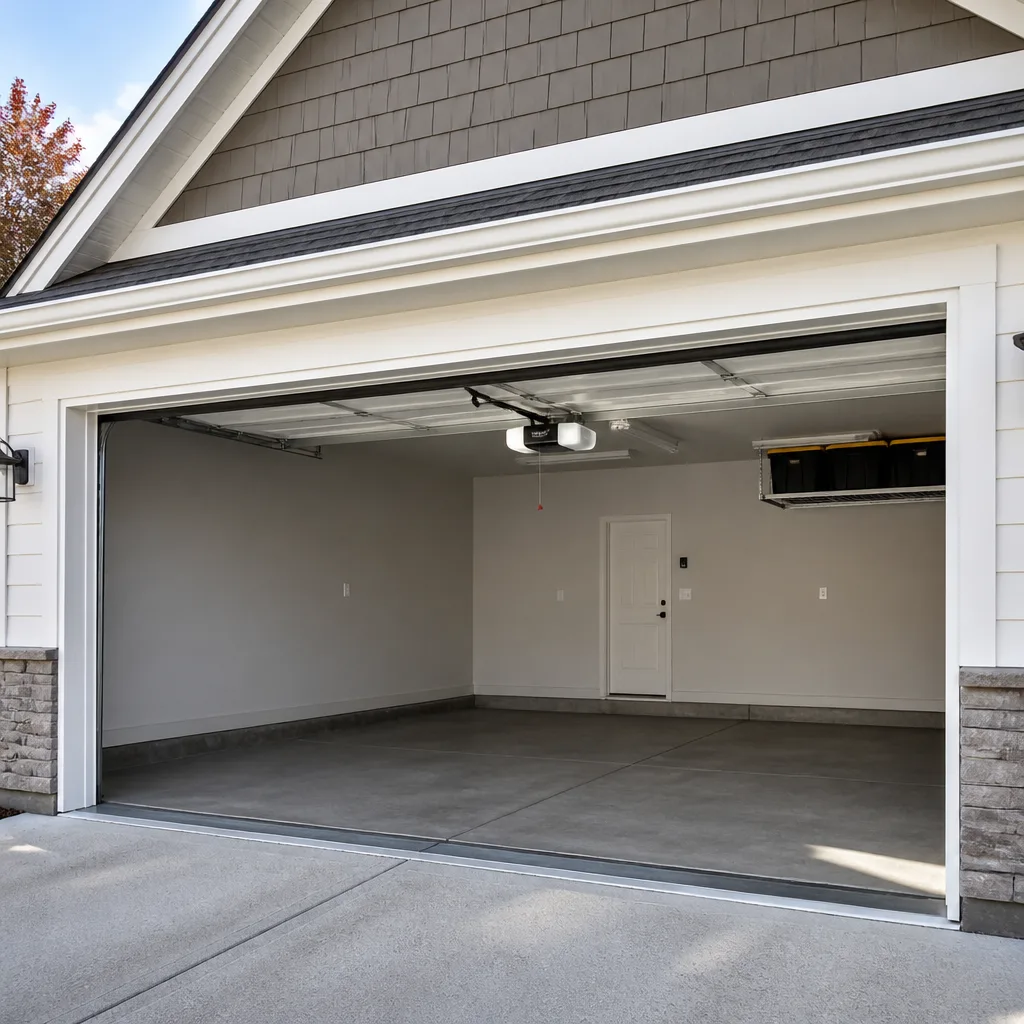 Chamberlain openers
Full 25-point door and opener safety check with every visit - springs, cables, rollers, tracks, and your LiftMaster or Chamberlain opener included
You get a price before we start. It does not change when the pro arrives.
Get your free estimateGarage Door Emergency Preparedness Guide for McAllen Homes
Most McAllen homeowners think emergency preparedness means watching the forecast in hurricane season. That’s part of it, but the failures we get called about most often have nothing to do with weather. A spring snaps on an ordinary Tuesday morning while you’re backing out. An opener loses its logic board with the car trapped inside. A door creeps down halfway and stops, blocking the only way in. What separates homeowners who handle these moments in five minutes from those who lose half a day is simple: they rehearsed the manual release before they needed it. This guide walks through every failure scenario a McAllen door is likely to throw at you, and what to do in each one.
Quick Answer
Garage door emergency preparedness in McAllen comes down to three things you can do now: learn how your specific opener’s manual release works (test it once, in daylight, with nothing at stake), confirm whether your opener has battery backup and test it, and store your door’s model and serial number where you can find it fast. Beyond that, know how to secure a door with a broken spring or cable without touching the torsion system, and keep a small emergency kit on hand. Every scenario after that becomes manageable.
Styles & brands we work with
- Raised-panel steel
- Carriage house
- Modern flush
- Full-view glass
- LiftMaster openers
- Chamberlain openers
Table of Contents
- How Do You Use the Manual Release on a Wayne Dalton or LiftMaster Opener?
- What Should You Do to the Garage Door Before a McAllen Storm?
- The Two-Minute Emergency Audit Every Homeowner Should Do Now
- What Do You Do When a Spring Snaps or a Cable Breaks?
- What Happens When the Power Goes Out and the Door Won’t Open?
- What Belongs in a Garage Door Emergency Kit?
- What Information Speeds Up an Emergency Repair Call?
- The Re-Engagement Step Most Guides Skip
How Do You Use the Manual Release on a Wayne Dalton or LiftMaster Opener?
The manual release disengages the door from the opener so you can lift it by hand. On nearly every residential opener sold in McAllen – Wayne Dalton, LiftMaster, Chamberlain, Genie, Craftsman, Raynor – the release is a cord or lever hanging from the carriage that rides the rail. Pull it straight down and toward the door, and the carriage disconnects. The catch is that a door with a broken spring, or one already under tension from a partially wound torsion system, may not stay up once you disengage it. Never pull the release unless you’re prepared for the door to come down, and never with anyone standing underneath.
Here’s how to operate it correctly:
- Close the door fully first if it will move. Never disengage a door that’s partway open, because the door can drop.
- Locate the release cord hanging from the carriage. It’s usually red, sometimes black with a red handle.
- Stand to the side of the door, not directly underneath, and grip the bottom section with one hand.
- Pull the release cord down and toward the door with the other hand. You’ll feel a distinct click.
- Lift the door slowly. A properly balanced door with intact springs should move with modest effort and stay up when you let go at halfway.
- If the door feels extremely heavy or won’t hold itself up, lower it gently and stop. That’s a spring problem, not a release problem.
We’ve seen this step go wrong more times than we can count, and the reason is almost always the same: the homeowner pulls before assessing whether the spring is intact. In McAllen’s heat, springs fatigue and lose tension quietly, and one day they fail without warning. Knowing how the release works is half of preparedness; knowing when not to use it is the other half.
What Should You Do to the Garage Door Before a McAllen Storm?
Before high winds reach McAllen, close the garage door and lock it if your opener has a manual lock or slide bolt. A closed, latched door is far more wind-resistant than one that’s lifted a few inches for ventilation. The hazard most homeowners don’t anticipate is wind getting under a partially open door and lifting it – the opener’s carriage can’t always hold against that kind of pressure, and a door that comes off its tracks under load is a serious problem.
Here’s what to do as a storm approaches:
- Close the door fully. Don’t leave it cracked for airflow. If you need ventilation, use the house’s interior doors, not the garage.
- Engage any manual lock. If your door has a slide bolt or an opener with a lock mode, use it. On Wayne Dalton and Raynor doors, look for a slide bolt on the inside face; many LiftMaster openers have a “lock” feature on the wall console that disables the opener entirely.
- Test the door once before the storm arrives, so you’re not discovering a problem in a downpour or a wind warning.
- Move anything loose in the garage away from the door. Windblown debris can strike the door panels, and items stacked against the door can fall into the track.
- Don’t tape or brace the door. Any fix that relies on the operator to hold the door against wind creates a different risk – the opener and door can be damaged when they move as one unit under pressure.
One caveat: if your door is already showing signs of trouble – a slack cable, a bent track, a hinge pulling loose – securing it for a storm may force the failure at the worst time. In that case, note the problem and plan to deal with it after the weather clears, keeping the door closed and latched in the meantime. The best time to test a garage door in McAllen is a calm morning, not the night before a storm. Older doors, in particular, benefit from an annual inspection because McAllen’s heat cycles work on springs and hinges year-round.
The Two-Minute Emergency Audit Every Homeowner Should Do Now
The most effective emergency prep for a garage door takes about two minutes and you can do it right now, in daylight, with nothing on the line. If it goes well, you’ll know you’re ready. If it turns up a problem, you’ve found it early – before it becomes a 2am call with the car trapped inside. We encourage every McAllen homeowner to run through this once and mark it on the calendar to repeat every six months.
The audit has three parts:
- Test the manual release. With the door closed, pull the release cord the way we described above. Then lift the door by hand to about waist height and let go. It should stay where you put it. Close it, then re-engage the carriage by following your opener’s instructions (usually pressing the opener remote once, or pulling the release cord the opposite direction while moving the door slightly). If the door is heavy, won’t hold, or the carriage won’t re-engage, that’s your first sign of a problem.
- Test battery backup. If your opener has a battery backup (common on newer LiftMaster, Chamberlain, and Genie models), find the battery compartment and check the status light. Most units have a test button that simulates a power outage. Press it and see whether the door operates. If it doesn’t move, replace the battery. If your opener has no backup at all, that’s worth knowing in advance – during a power outage, you’ll be using the manual release every time.
- Put an emergency contact on file. Save a repair number in your phone under “Garage Door” and write it on a piece of paper taped to the inside of the garage door jamb. If the power is out and the phone is dead, you want the number visible without power. For McAllen homes, we also recommend noting the door’s model and serial number (usually on a sticker on the door panel or opener housing) in the same place, so you have it ready if you do call.
Two minutes, three tests. The homeowners who do this once are the ones who handle the actual emergency without panic.
What Do You Do When a Spring Snaps or a Cable Breaks?
When a torsion spring snaps or a cable breaks, stop. Don’t try to open the door. Don’t cut the other cable or try to release the tension. A torsion spring on a residential door stores enough energy to cause serious injury if it’s handled incorrectly, and a broken cable means the counterbalance system is compromised. The door may look fine from outside, but the tension is no longer controlled. Call a professional. That’s the honest answer, and it’s the only safe one.
What you can do until help arrives:
- Leave the door closed if it’s closed, and don’t engage the opener. Disengage the opener with the manual release only if the door is fully down and you need to operate the door by hand – and only if you can lift it safely.
- If the door is partially open, don’t force it down. A door with a broken spring may be held open by the tracks alone. Chock it if you can safely, but don’t try to lower it under tension.
- Secure the perimeter. If the door is stuck open and the home is vulnerable, a temporary bar across the inside face of the door (a length of 2×4 laid across the opening and braced against the tracks) can add a physical deterrent, but it’s not a structural solution. What it does is buy you time while you wait on a repair.
- Keep people and pets away from the door. A snapped cable can whip, and a jammed door can drop. That’s not a hypothetical; it’s why the trade treats springs and cables as high-risk components.
- Don’t try to replace the spring or cable yourself. This is the one part of garage door repair where the risk to a homeowner is genuinely serious. Winding and unwinding torsion springs requires specific tools and training, and we’ve seen serious injuries from do-it-yourself attempts.
What you can do for a snapped spring is get a technician out quickly. When the door is stuck open or the car is trapped, a trained pair of hands makes the difference in minutes. Our technicians have up to experience and we service all major brands, including LiftMaster, Chamberlain, Genie, Clopay, Amarr, Wayne Dalton, Craftsman, and Raynor. If your door is stuck and you need garage door repair, call (866) 285-4210 and we’ll tell you what we can arrange.
What Happens When the Power Goes Out and the Door Won’t Open?
When the power goes out, the opener won’t lift the door – but the door itself still works. The manual release lets you detach the opener and lift the door by hand. The key is doing it correctly the first time. Pull the release cord, lift the door slowly, and once the power comes back on, re-engage the carriage. If your opener has battery backup, it may open normally for a limited number of cycles, so check the manual release only when the battery is exhausted.
The most common failure here isn’t the release mechanism itself – it’s the re-engagement. The carriage won’t reconnect if the door isn’t in the right position relative to the opener’s home position. Most brands resolve this by pressing the wall button once or cycling the opener off and on, and several require the door to be fully closed before the carriage will click back into place. If you can’t get the carriage to re-engage, don’t force it. Look up the model’s instructions, or call us and we can walk you through it.
One McAllen-specific note: during hurricane season, multi-day power outages are a real possibility, and a door that’s been manually released for days needs to be treated carefully when power returns. Make sure the door is fully closed and the tracks are clear before re-engaging the opener. If anything feels off, stop. Coming back from an outage is not the moment to force a door that’s been sitting on a manual release.
What Belongs in a Garage Door Emergency Kit?
A small kit, stored where you can reach it without power or a flashlight, covers most of what you’ll need in the first hour after a garage door failure. The point isn’t to repair the door yourself – it’s to manage the situation safely and make the repair call go faster. We recommend a gallon-size zip bag or a small bin on a shelf inside the garage, near the door.
What to include:
- The door’s model and serial number, written down. If the sticker under the door panel has faded, photograph it now and keep the photo in the kit and on your phone. Brand and model tell the technician which parts and springs are compatible – critical for brands like Wayne Dalton, where door hardware is specific to the model line.
- Your opener model number. Same reason. LiftMaster and Chamberlain openers have distinct logic boards and rail systems; the model number determines which parts are correct.
- A printed emergency contact card. Our number, plus any neighbors or family who can help. If the power is out, your phone may be too – keep a hard copy.
- A flashlight and fresh batteries. Garage lighting fails when you need it most.
- A short length of 2×4 or a sturdy wooden dowel. For bracing a stuck door from the inside, not for repair.
- Nitrile gloves. A snapped cable can have sharp ends. If you’re moving anything near the door, protect your hands.
- A spare opener remote and a fresh battery for it. Worth the small cost for a door that you need to open in a hurry.
Store the kit where you can reach it in the dark – on a shelf, not inside a closed cabinet. And keep the model and serial numbers where they won’t fade. Our repair service will be much faster when the technician can pull the right parts based on your model rather than diagnosing from scratch. If your opener is a smart or Wi-Fi-enabled unit, note the app login in a secure place too, so you can check status remotely when you’re not home.
What Information Speeds Up an Emergency Repair Call?
The fastest garage door repair call happens when you can answer three questions: what brand and model is the door, what brand and model is the opener, and what’s the door doing right now. If you have that information ready, you skip the diagnostic back-and-forth and get straight to the fix. We ask for those details on every call, because brand-matched parts matter, and knowing the model up front means the technician arrives with the right spring or logic board rather than making a second trip.
Beyond those, useful details include:
- Whether the problem is the door, the opener, or both (test with the wall button versus the remote).
- Whether the door is stuck open, stuck closed, or partway.
- Any sound you heard when it failed – a snap, a grind, a click.
- Whether the opener has power (check the breaker and the wall outlet).
- The door’s age, roughly, if you know it.
For most repair and emergency topics, speed matters. We dispatch fast from 7am to 7pm, Sunday through Friday, and our phones are answered 24/7 – so if a door fails at 9pm on a Sunday, you can still reach us. We’ll book you into the next opening and tell you exactly when to expect a technician. A call outside dispatch hours gets booked into the next opening. Estimates are always free and the price is set by the written estimate before any work begins.
The Re-Engagement Step Most Guides Skip
Almost every guide tells you how to use the manual release. Almost none tell you how to get the door back under the opener’s control. That’s the step that leaves homeowners with a door they can’t close, or a carriage they can’t reconnect, and it’s the gap we get the most calls about. In McAllen, where two-car garages are the norm and the door is the main access to the house, a door stuck on a manual release is a real problem for the household.
The re-engagement step for the most common opener brands works about the same way, with small variations:
- LiftMaster and Chamberlain: Close the door fully by hand. Press the wall control button once. The opener should run the carriage back to home and the trolley should click into the carriage automatically. If it doesn’t, cycle the power to the opener at the wall outlet or breaker and try again.
- Genie: Most Genie openers require the door to be at the fully closed position for the carriage to re-engage. Lift the door to fully down, then press the wall button twice – once to engage the carriage, once to run the opener.
- Craftsman: Similar to the LiftMaster procedure since many Craftsman units share the same underlying platform. Close the door, press the wall button, and if the carriage doesn’t click, manually move the door a few inches with the release cord pulled slightly while the opener runs.
- Wayne Dalton openers: Follow the closed-door, press-and-hold procedure in the manual. Some Wayne Dalton openers have a distinctive two-step re-engage – check the wall console indicator light.
- Raynor: Most Raynor openers use a standard re-engagement. If pressing the wall button doesn’t reconnect, open the manual release again, move the door by hand to the full closed position, then re-engage.
If none of those work, don’t force the carriage. Something is out of alignment – the door may be off-level, or the travel limits may have shifted. That’s a technician call, not a homeowner call. When your opener work needs more than a reset, our garage door opener repair service handles brand-specific diagnosis, and we can either service the existing unit or walk you through a replacement if the unit has failed.
Common Mistakes to Avoid
- Pulling the manual release without checking the door first. If the door is partway open or the spring is compromised, releasing the opener can let the door drop. Always check first, then pull.
- Forcing the carriage to re-engage. If it won’t click, something is misaligned. Forcing it bends the rail and can strip the trolley. Take the two-minute detour or call us.
- Storing your door’s model number nowhere. When the door fails, you won’t have time to crawl around looking for a sticker. Photograph it now. It matters in McAllen where so many homes have doors installed by different builders with different hardware.
- Trying to “help” a broken spring. The torsion spring holds serious tension. We’ve seen serious injuries from homeowners trying to loosen a broken one. Don’t touch it. Call a professional.
- Leaving the garage door partway open in a high-wind event. Wind gets under a partially open door and can lift or twist it. Close and latch it before a storm.
- Using a battery backup that’s never been tested. The battery in your opener degrades over time, and the first time you discover it’s dead may be the outage when you need it.
- Treating an emergency as something you can DIY. Opener issues are one thing – resetting a remote, re-pairing a wall console, checking a breaker. Springs and cables are another. Know which category you’re in.
See the difference
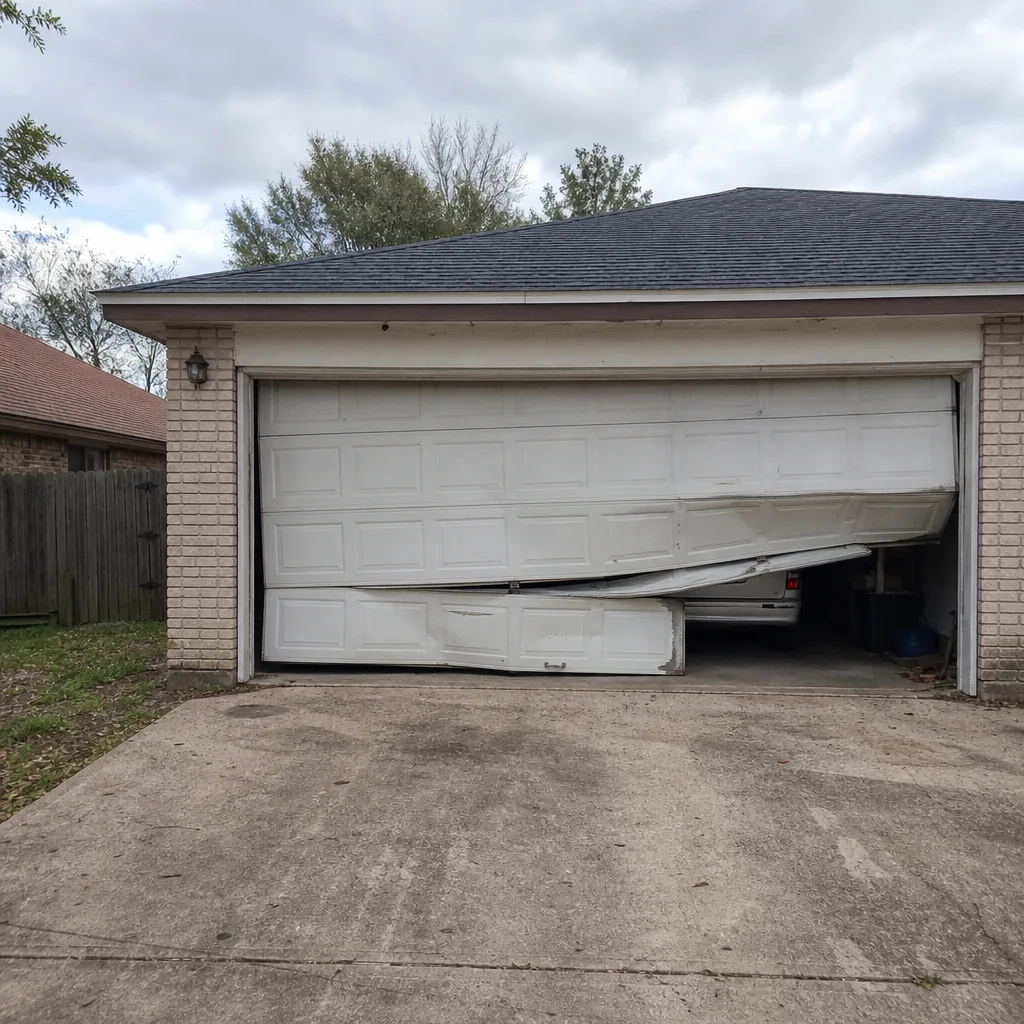 Before
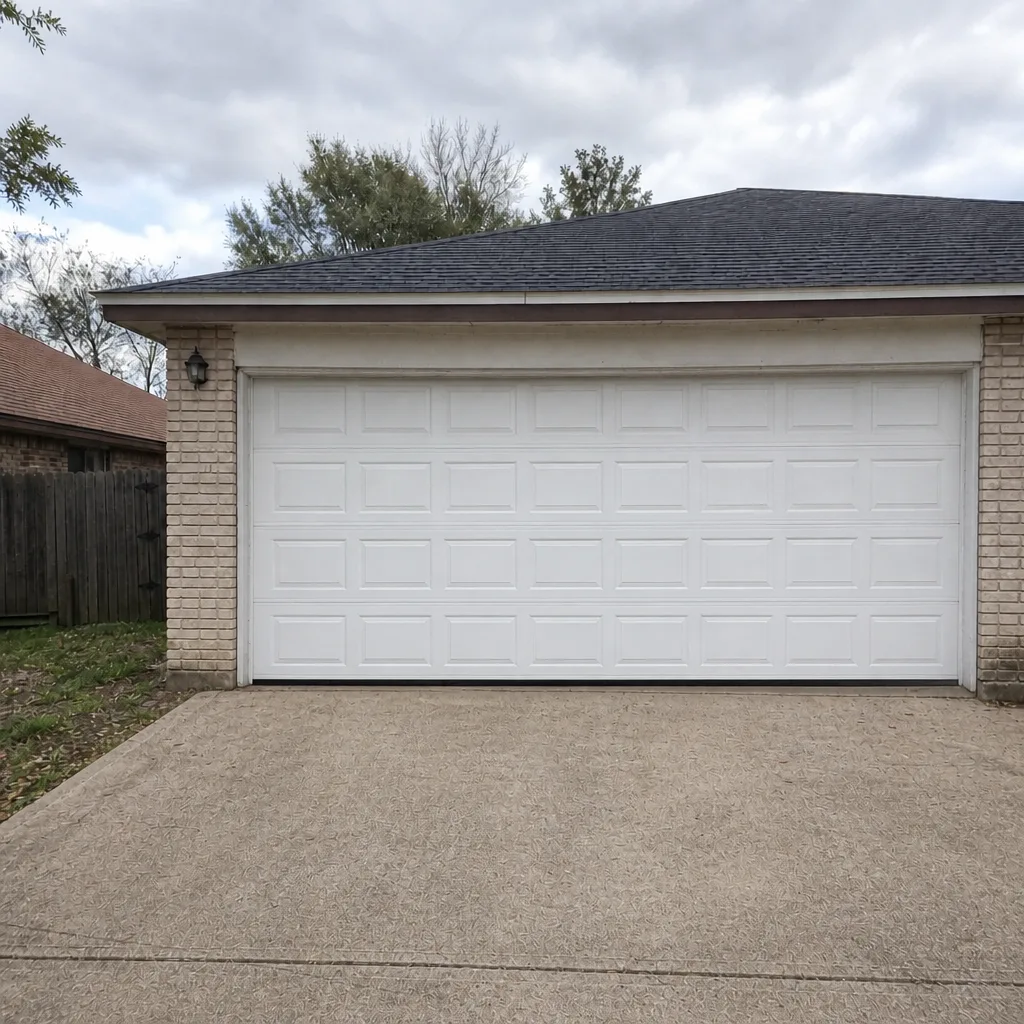 After
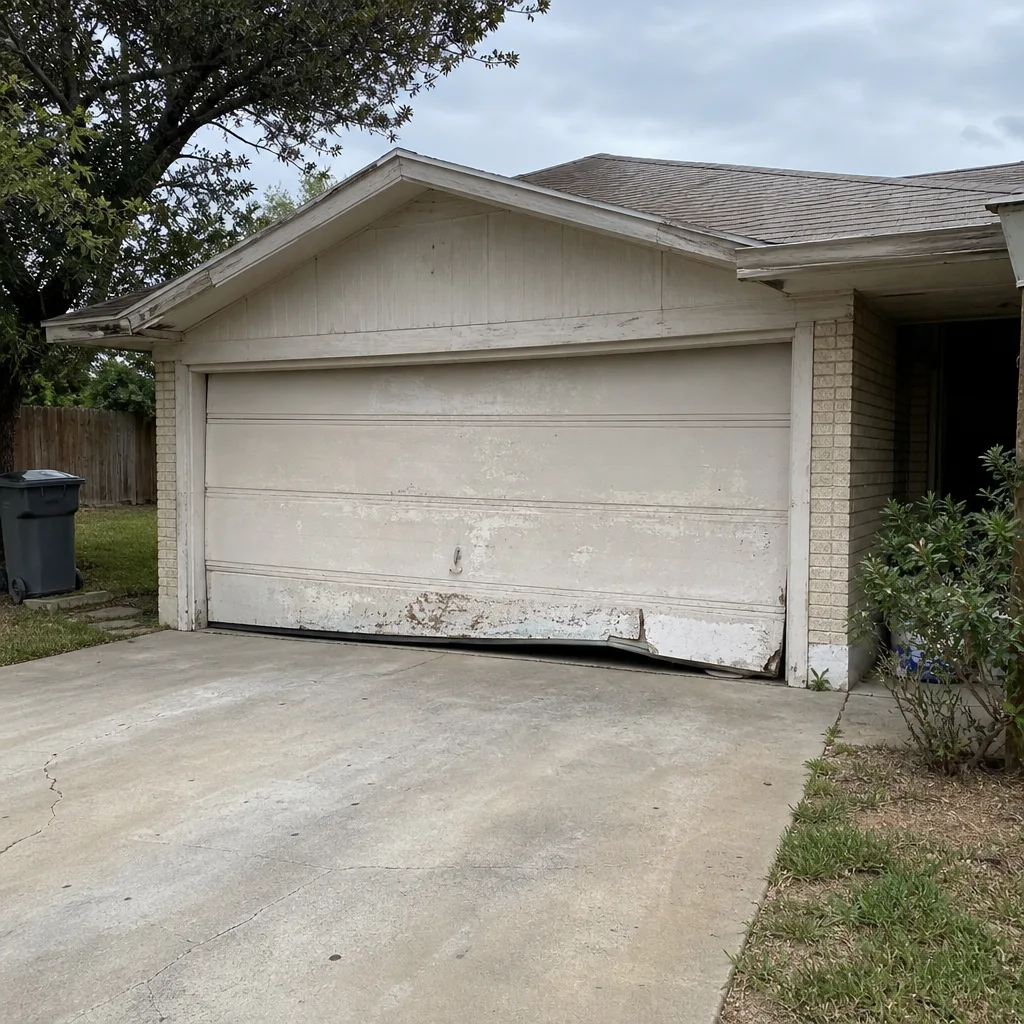 Before
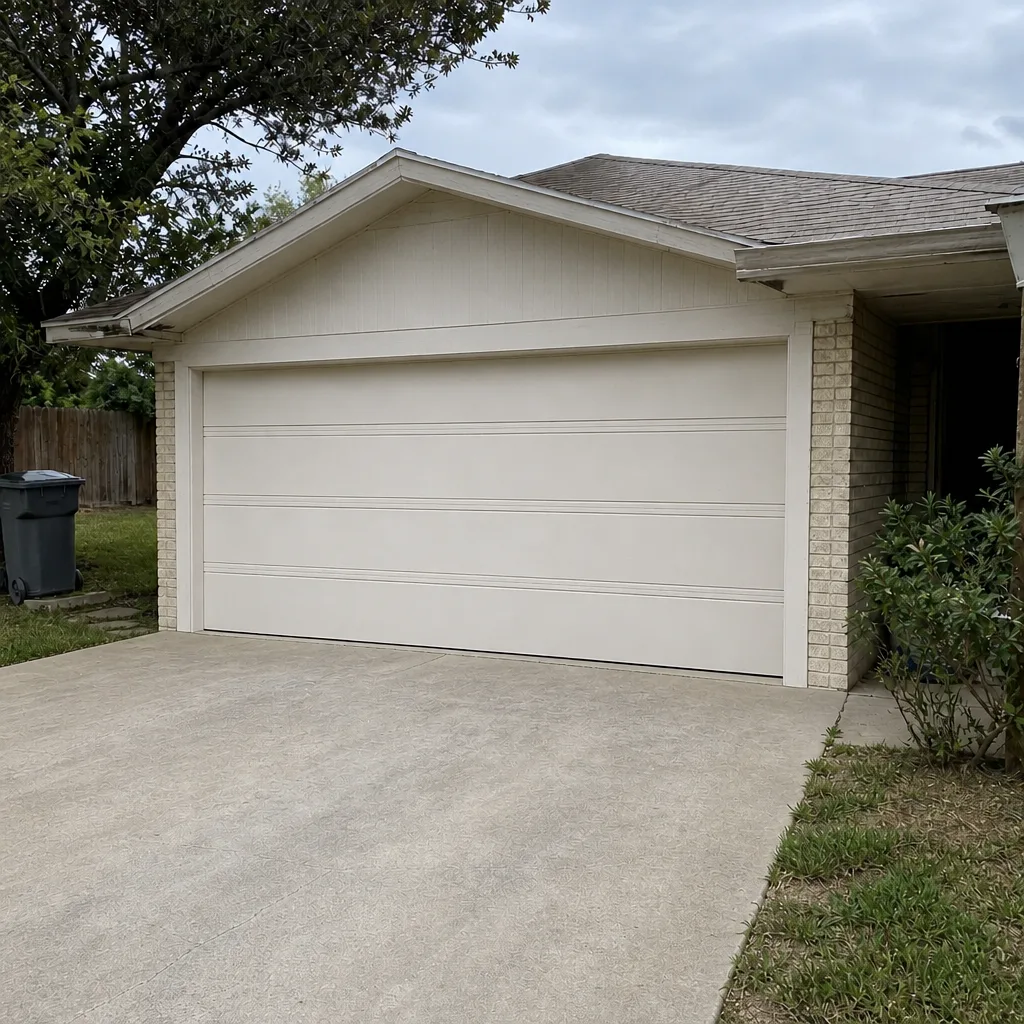 After
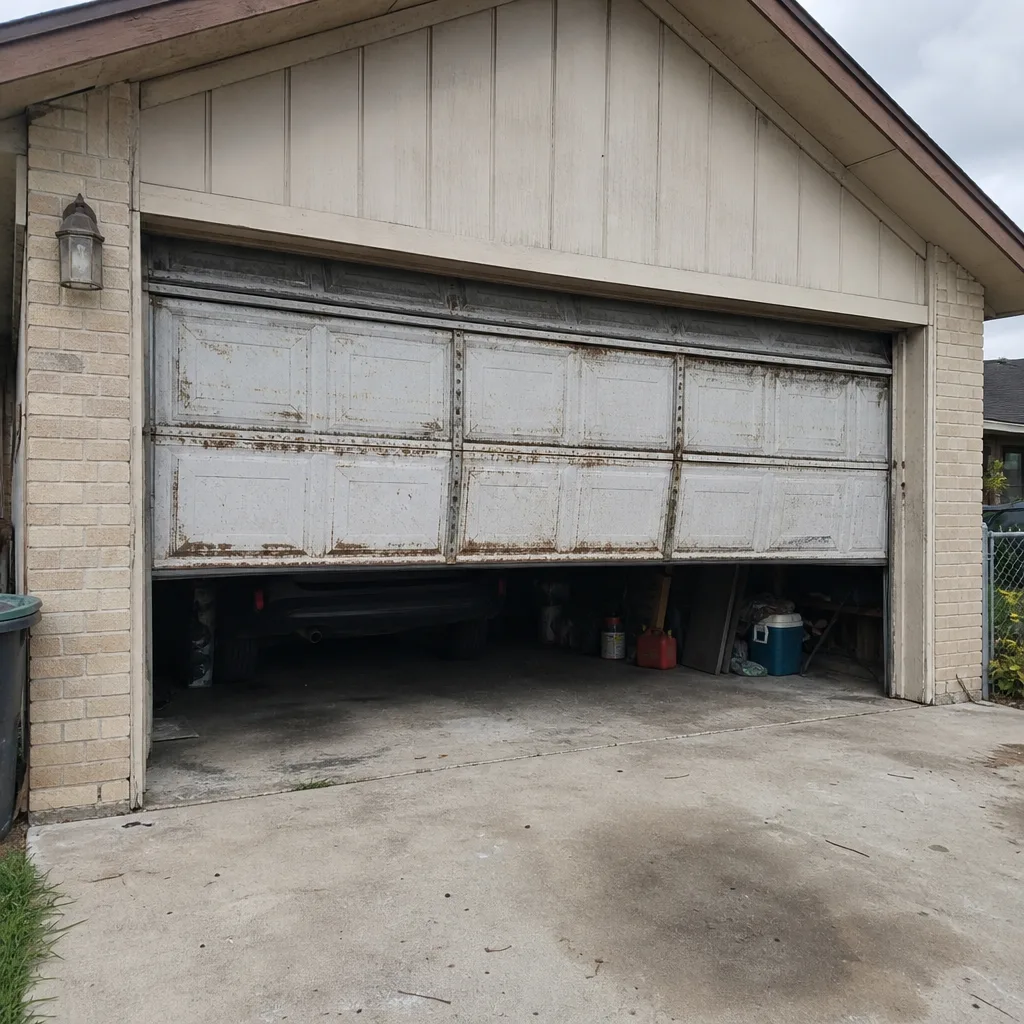 Before
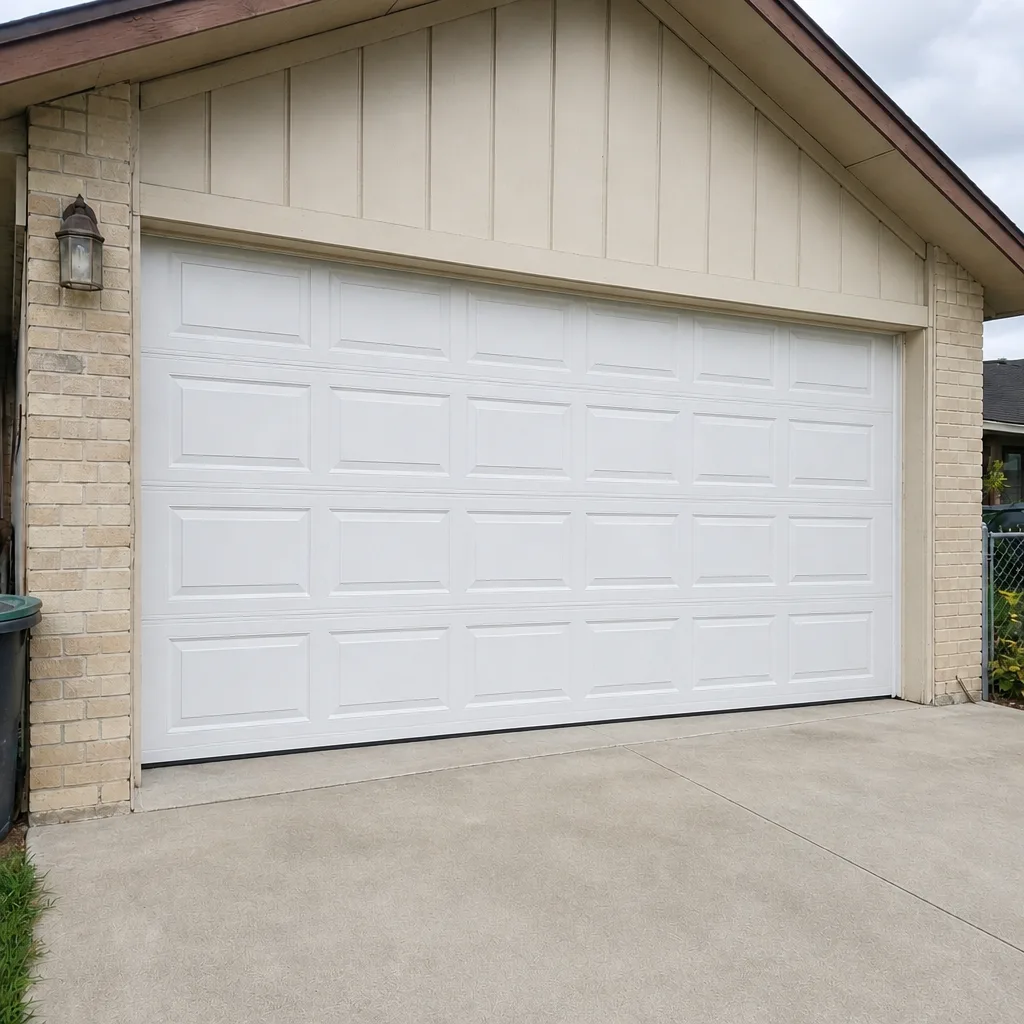 After
When to Call a Professional
Call a professional for anything involving the torsion spring, the cables, the tracks, or a carriage that won’t re-engage. Those are the components that carry stored energy or hold the door’s alignment, and the risk of doing them wrong is real. Also call us if the opener itself has failed and the door won’t move under its own power – brand-matched diagnosis makes a same-day repair much more likely than a general handyman guess. If a door is stuck open and the home is vulnerable, call us and we’ll book you into the next opening. For general repair needs, our garage door repair page walks through what we handle. Polaris Garage Door Repair offers free estimates in McAllen – call (866) 285-4210.
Frequently Asked Questions
Yes. Every residential opener has a manual release cord or lever that disengages the door from the opener so you can lift it by hand. Pull it straight down, stand to the side of the door, and lift slowly. If the door feels extremely heavy or won’t stay up, stop and call us – that likely means a spring problem, not a power problem.
Emergency garage door repair in McAllen is priced per job by a written estimate, and that written price is what you pay. Spring replacement is the most common emergency, and it’s quoted on a per-spring basis – a matched pair is usually replaced together. We give you the estimate before any work starts, and estimates are free. Call (866) 285-4210 for an exact quote on your door.
Leave the door closed if it’s closed, don’t try to open it, and don’t touch the spring or the other cable. A broken spring stores enough tension to cause serious injury, and a broken cable means the door can drop. Call a professional and keep people away from the door until they arrive.
It’s almost always the opener – the door is fine, the opener just has no power. Use the manual release to lift the door by hand. If your opener has a battery backup, it may work normally for a few cycles. When the power comes back on, follow the re-engagement steps for your brand, and if the carriage won’t reconnect, call us and we’ll walk you through it.
Usually less than a minute if you follow the right steps for your opener brand. Close the door fully, press the wall button, and check whether the carriage clicks into place. If it doesn’t, don’t force it – the door may be misaligned, and forcing a carriage is how homeowners end up with a bent rail and a bigger repair.
If the door is stuck open and severe weather is coming, keep people and pets away from the tracks, brace the inside face of the door if you can do so safely, and call us. We answer 24/7. A door stuck open under load is a risk to property and to the door itself, and we can tell you what to do while we arrange a technician.
The Bottom Line
Emergency garage door preparedness in McAllen is mostly about what you do before the emergency. Learn the manual release, test the battery backup, write down your model and serial numbers, keep a small kit in the garage, and rehearse the re-engagement step so you’re not learning it under pressure. For anything involving springs, cables, tracks, or a carriage that won’t re-engage, call a professional rather than risk injury. The rest – the small resets, the manual release, the storm prep – is genuinely within a homeowner’s reach with a little practice. Do the two-minute audit this weekend. It’s the difference between a five-minute inconvenience and a lost afternoon.
Need help now? Call (866) 285-4210 for a free estimate. We answer 24/7. Fast dispatch from 7am to 7pm, Sunday through Friday, closed Saturday. Our Polaris Garage Door Repair team works on the full range of brands, from a garage door opener repair on a LiftMaster to spring work on a Wayne Dalton, and we’re here for Doolittle and the surrounding communities.
Written by the team at Polaris Garage Door Repair.