
Last updated November 16, 2026
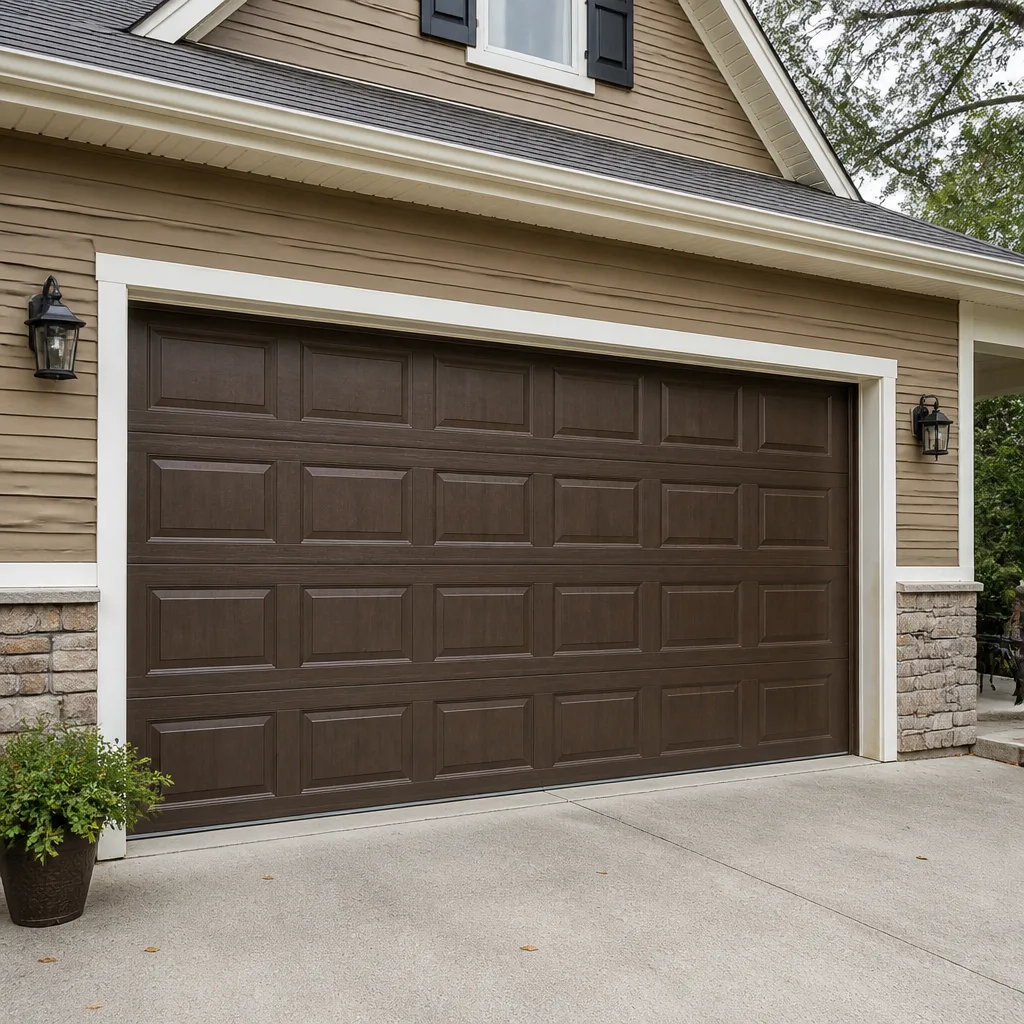 Raised-panel steel
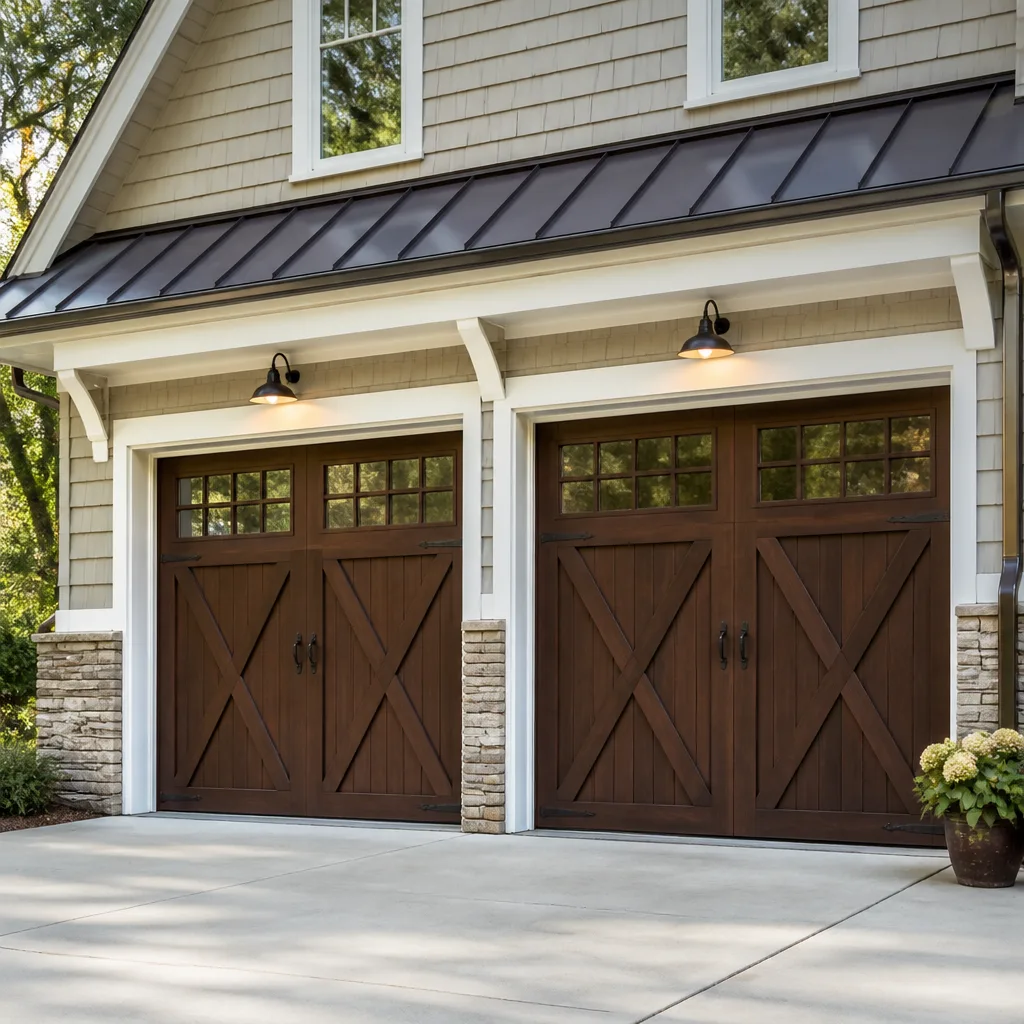 Carriage house
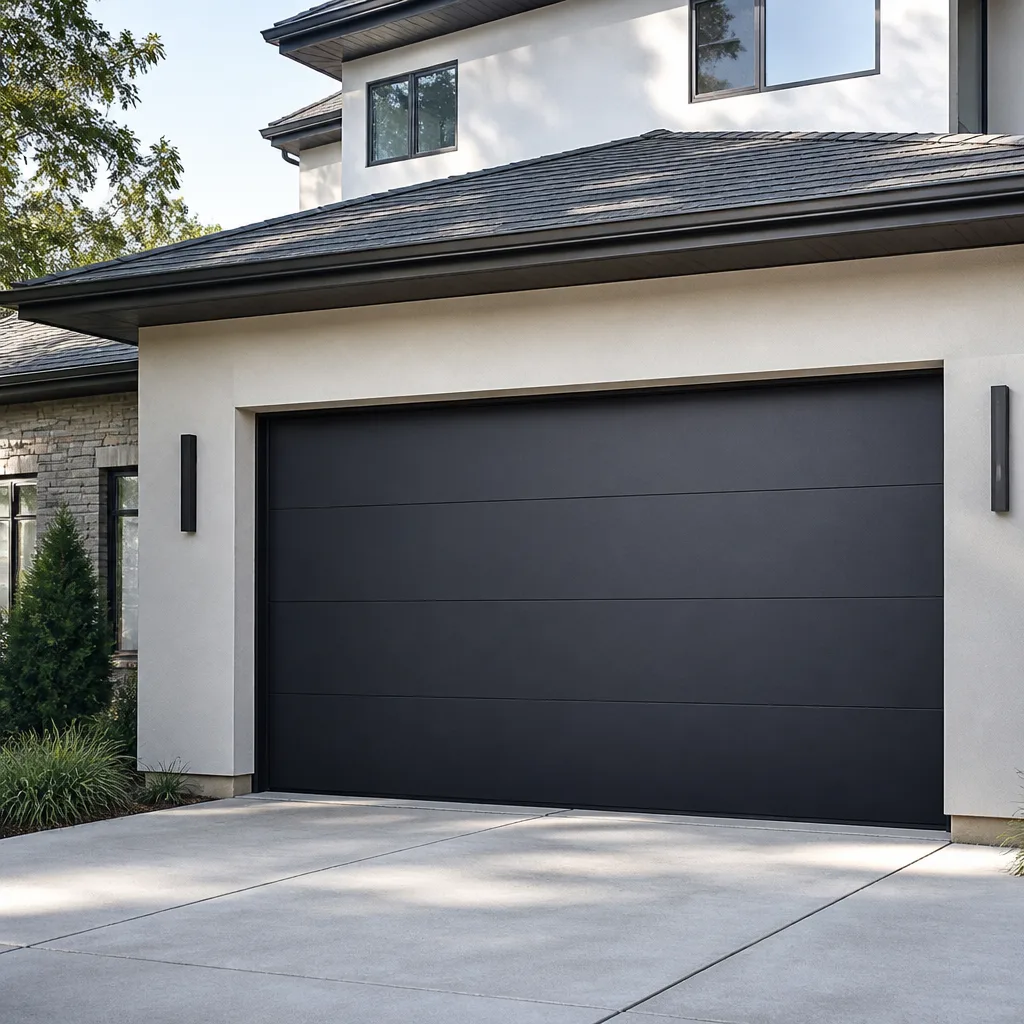 Modern flush
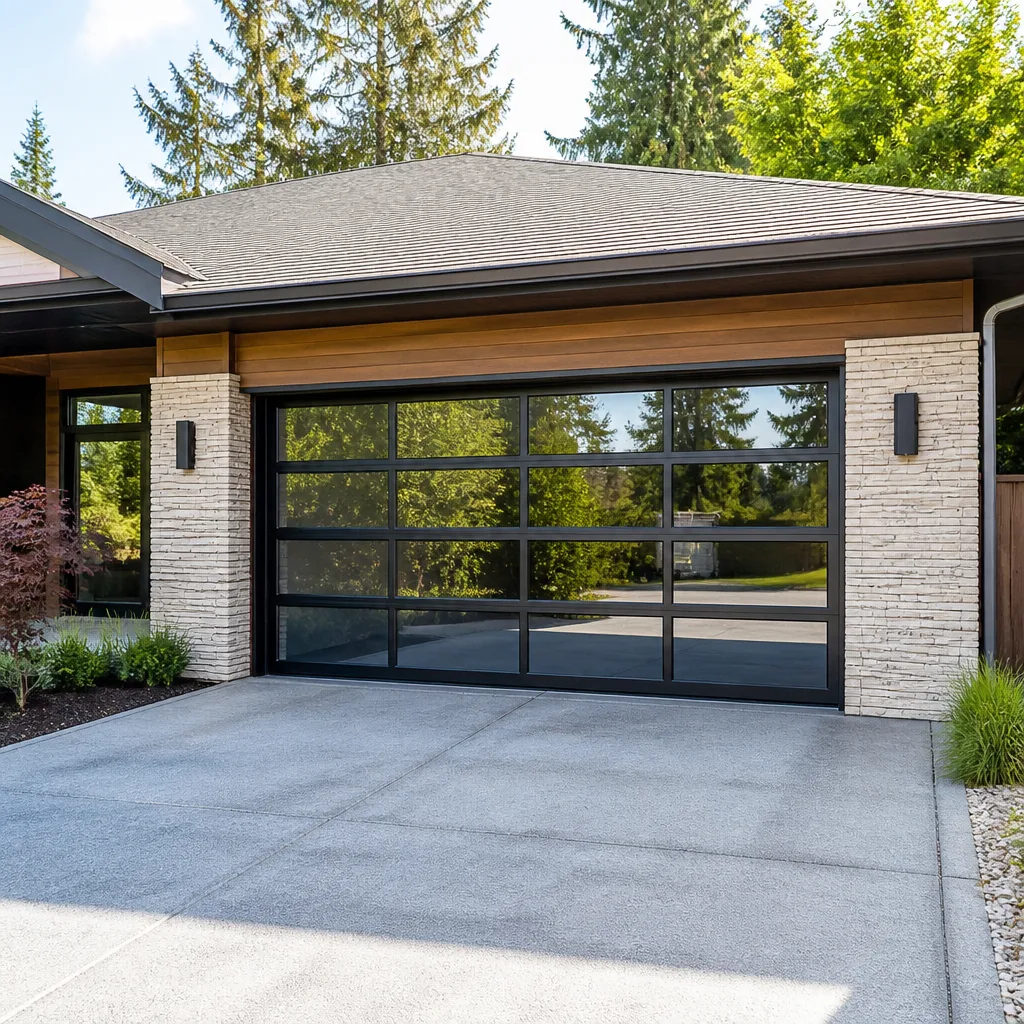 Full-view glass
 LiftMaster openers
 Chamberlain openers
Full 25-point door and opener safety check with every visit - springs, cables, rollers, tracks, and your LiftMaster or Chamberlain opener included
You get a price before we start. It does not change when the pro arrives.
Get your free estimateDIY vs Professional Garage Door: The McAllen Homeowner’s Decision Guide
Most garage door advice online asks the wrong question. It frames DIY versus professional as a matter of confidence or budget, as if the only thing standing between you and a fixed door is nerve. That’s not how it works. Some garage door tasks are genuinely safe for a careful homeowner with a ladder and a Saturday morning. Others involve stored mechanical energy that can release without warning and send people to emergency rooms every year. In McAllen’s heat, metal fatigue builds on springs and cables in ways you can’t see from the driveway, which makes an aging torsion spring unpredictable even when it still looks fine. This guide draws a clear line between the two kinds of tasks, based on physics and diagnostic complexity rather than pride. You’ll learn which jobs you can honestly tackle, which ones you should never touch, and how to compare the real cost of doing it yourself against hiring a specialist from the start.
Styles & brands we work with
- Raised-panel steel
- Carriage house
- Modern flush
- Full-view glass
- LiftMaster openers
- Chamberlain openers
Quick Answer
In McAllen, DIY is reasonable for maintenance-level tasks like lubricating rollers, tightening brackets, and clearing the photo-eye sensors. Professional help is the right call for anything involving springs, cables, bottom brackets, or the torsion shaft, because those parts store enough energy to cause serious injury, and our South Texas heat accelerates the metal fatigue that makes them fail. For diagnostic problems (door stops halfway, opener beeps but won’t move, remote only works up close), a technician with the right tools usually finds the cause faster and cheaper than the cost of buying those tools yourself.
Table of Contents
- Which Garage Door Tasks Are Safe for McAllen Homeowners?
- What’s in the “Requires Some Care” Category?
- Which Tasks Are Professional-Only, and Why?
- How Does South Texas Heat Change the DIY Calculus?
- What’s the Real Cost Comparison: DIY vs. Professional?
- How Can You Prepare for a Professional Visit and Save Time?
- How Can App-Based Diagnostic Tools Help You Self-Triage?
- Common Mistakes to Avoid
- When to Call a Professional
- Frequently Asked Questions
Which Garage Door Tasks Are Safe for McAllen Homeowners?
The safe tier is everything that doesn’t touch the counterbalance system: springs, cables, drums, and the torsion tube that runs above the door. If your hands stay on the track, the rollers, the hinges, or the opener housing, you’re working with mechanical parts that fail predictably and slowly rather than suddenly and violently. In our experience, homeowners who stick to these tasks get meaningful life out of their system without ever putting themselves near a part that can hurt them.
The tasks in this tier are:
- Lubricating hinges, rollers, and tracks with a garage-door-specific spray (not WD-40, which attracts dust in McAllen’s dry months and gummed things up over time).
- Visually inspecting the door for frayed cables, worn rollers, bent track sections, or gaps at the bottom seal.
- Tightening loose hinge and bracket bolts with a socket wrench, using the door’s existing bolts only and never drilling new hardware into the panels.
- Clearing the photo-eye sensors with a soft cloth and confirming they’re aligned by watching for the indicator light on each unit.
- Replacing the battery in the wall console, keypad, or remote, and re-pairing a remote following the manufacturer’s instructions for your model.
- Clearing debris from the track channel with a brush, not a lubricant. Tracks should stay dry.
- Adjusting the opener’s travel limits and force settings using the dials or menu on the opener housing (never the springs themselves).
- Repainting or sealing the door’s exterior surface, which protects the panels from sun damage.
These are genuinely accessible tasks. If you can climb a step stool safely and read a manual, you can do them. The payoff is real: lubrication and sensor cleaning prevent a meaningful share of the “door won’t close” calls we handle across McAllen, and every one of them is a job you can finish in ten minutes.
What’s in the “Requires Some Care” Category?
The middle tier is where experience and a few tools separate a successful repair from a call to a specialist. These jobs aren’t inherently dangerous, but they involve the opener motor, the door’s alignment, or wiring that can surprise you if you don’t know what you’re looking at. Think of it this way: if the task requires you to be under the door while it’s moving, or to test the opener’s safety reverse while kneeling on the ground, you want to be deliberate.
Tasks in this tier include:
- Replacing rollers. Straightforward with a socket wrench and a clamp to hold the door in place, but you need to raise the door to release tension from each roller first. Doing it wrong bends the hinge.
- Replacing the bottom weather seal. The rubber seal at the base of the door is meant to be user-replaceable. Measuring correctly matters, and McAllen’s sun-hardened seals often come off in pieces.
- Resetting the wall console wiring. If your wall button stopped working after a power surge (common in a Texas summer), the low-voltage wire behind the console is usually accessible. Just label which wire goes where before you disconnect anything.
- Replacing a photo-eye sensor. Simple mechanical swap, but you must re-align the beam precisely. A sensor that’s off by an inch will cause false reverses for months.
- Installing an external keypad or smart hub. Mechanical mounting is easy; getting the opener to recognize the device is where the manual matters.
- Adjusting the opener chain or belt tension. Doable with the right wrench and the manufacturer’s spec. Over-tightening is the common mistake, and it shortens the opener motor’s life.
If any of these feel out of reach, that’s a legitimate signal to hand the job off. There’s no prize for struggling through a roller swap when a specialist could have done it correctly in twenty minutes.
Which Tasks Are Professional-Only, and Why?
The professional-only tier is defined by one thing: stored energy. A torsion spring on a standard residential door holds hundreds of pounds of force in a coiled steel bar. A tension spring (on older doors) holds similar force in a stretched extension. When either lets go unexpectedly, the released energy can break bones or worse. The reason this isn’t a “difficulty” question is that even an experienced homeowner can be injured by a spring that appears intact but fails during a routine adjustment.
These tasks should never be DIY:
- Replacing or adjusting torsion springs or extension springs of any kind.
- Replacing cables, which are under hundreds of pounds of tension and can slice through skin when they snap.
- Replacing drums or the center bearing plate on the torsion shaft.
- Replacing the bottom bracket, which is the anchor point for the cable and holds spring tension even when the spring itself is at rest.
- Replacing or straightening a bent track while the door is under spring tension.
- Replacing the torsion tube or modifying a door’s panel structure.
- Any electrical work inside the opener motor housing beyond replacing a fuse or a light bulb.
Our technicians have up to experience each, and springs are the one category where we’ve all had to learn to be careful, every single time, no matter how many we’ve replaced. The springs don’t know you’ve done it before. They release on their own schedule. In McAllen’s heat, that schedule accelerates. Summer garage temperatures routinely exceed 100 degrees, and if the attic above the door traps heat, the spring’s environment can push higher. The metal coils lose elasticity faster under those conditions. That fatigue is invisible to the eye.
There’s a second safety layer worth mentioning: even a “simple” task like replacing a bottom bracket becomes professional-only because a homeowner can’t safely de-tension the spring to access it. Don’t let YouTube convince you otherwise.
How Does South Texas Heat Change the DIY Calculus?
Heat affects a garage door system in three ways, and each one shifts the DIY line. The first is metal fatigue. Springs are tempered steel, and heat cycles (even mild ones) add up over years. McAllen’s summers are long and reliably hot, so a spring that might last fifteen years in a cooler climate can lose significant tension in ten. When you see a spring with visible rust or a coil gap, the temperature has been hard on it, and the failure risk is higher than the door’s age suggests.
The second is what we call thermal expansion in the door itself. Steel and aluminum panels expand when they’re hot, which changes the tension on tracks, the alignment of rollers, and the door’s ability to sit flush with the ground seal. A door that runs smoothly in winter may scrape or bind in August. If you’re DIY-ing during a heat wave, you’re tuning it for the wrong expansion state, and it may bind again six months from now. That’s a diagnostic problem more than a safety one, but it’s why some “fixed” doors don’t stay fixed.
The third is uncomfortable working conditions that push homeowners to rush. A 120-degree garage is not a place to take your time with a wrench. Rushing is when the mistakes happen: forgetting to clamp the door, misjudging the tension, letting a bolt drop into a track channel. If you’re doing a task in the “requires some care” tier, start early in the morning, hydrate, and don’t attempt anything you can’t walk away from halfway through. The heat is a forcing function: if you’re uncomfortable, you’re more likely to make a dangerous call.
The upside of the heat is that it tells you things. A door that runs quietly in cool weather but grinds or reverses on the way down in July is likely showing you a spring problem. You don’t have to fix it. You just have to notice it, and let a professional diagnose it.
What’s the Real Cost Comparison: DIY vs. Professional?
The true cost of DIY isn’t just parts. It’s parts plus tools plus your time plus the probability you’ll need a professional anyway. That last piece is the one most homeowners underestimate. A “I’ll just replace the spring myself” project that goes wrong typically ends with a call to a specialist for spring replacement, plus additional repairs if the door fell out of alignment, plus the cost of the tools you bought. The math rarely makes sense, and it never makes sense on the jobs in the professional-only tier.
Here’s how we’d frame the comparison for a typical McAllen job:
| Task | DIY Cost Range | Professional Cost Range | Recommendation |
|---|---|---|---|
| One torsion spring replacement | Not recommended | $180-$340 | Professional |
| Matched pair, torsion springs | Not recommended | Roughly double the single-spring estimate | Professional |
| Roller replacement (full set) | $25-$45 in parts plus a socket wrench | $100-$180 | DIY is reasonable if careful |
| Bottom weather seal replacement | $20-$40 in parts | $80-$150 | Either way works |
| Photo-eye sensor replacement | $20-$50 in parts | $70-$140 | Either way works |
| Cable replacement | Not recommended | $120-$220 | Professional |
| Opener diagnostic and repair | Requires multimeter and opener-specific experience | $150-$300 | Professional |
The numbers above are typical ranges for the McAllen area and are estimates only. Your written estimate sets the final price, and nothing gets started until you’ve agreed to it. The comparison matters most on the middle tier: a homeowner replacing rollers on a Friday afternoon saves money over the $100-$180 professional rate, but if they installed one roller wrong and the door starts grinding on Monday, the correction cost erases the savings. That’s the true cost calculation: what’s the probability of a callback, multiplied by the price of that callback?
For professional-only work, the math is simpler. The $180-$340 cost of a single-spring replacement from a specialist is not a “DIY price of $40 for a spring plus time.” It’s a number that includes the training, the tools, the tensioning bars, the safety process, and the assurance that the job was done correctly. When a DIY spring replacement ends in injury or a dropped door, insurance may not cover it because the work wasn’t done by a professional. That’s a bigger risk than the part cost. If you’re going to hire out, hire out from the start. That’s the reason we exist as a full-system specialist rather than as a generalist shop.
For a deeper look at what the pricing actually involves, our guide to garage door repair covers repair categories and their typical costs in the region.
How Can You Prepare for a Professional Visit and Save Time?
Homeowners who prepare well tend to save money on a service visit because the technician spends less time diagnosing and more time repairing. The goal is not to fix anything. The goal is to give the specialist a clear picture of what’s happening, along with safe access to the parts that need work. In our experience at Polaris, a prepared homeowner can cut the diagnostic phase of a visit in half.
Here’s a numbered checklist for a productive visit:
- Write down the symptom, not the cause. “The door goes up six inches and comes back down” is more useful than “I think it’s the sensor.” Note the time of day, weather, and how often it happens.
- Note when the problem started. “Three days ago after a storm” tells a technician something different than “gradually over two months.” Both are useful, but they point in different directions.
- Have the opener’s model number visible. LiftMaster, Chamberlain, Genie, Craftsman, Wayne Dalton, and Raynor all label this differently, but it’s usually inside the motor housing or on a sticker at the back. A photo works.
- Clear the garage floor of anything stored under the door track, especially in older McAllen homes where the garage doubles as storage.
- Check the breaker. If the opener is completely dead, confirm the breaker hasn’t tripped. If the outlet is dead, that’s a different service.
- Have your remotes and keypads on hand so they can be re-paired and tested during the visit rather than at a later date.
- Note any recent changes in the door’s behavior after a power outage, a storm, or a move. Those details matter more than you’d think.
None of this involves touching the spring or the cables. It’s information gathering, and it’s the single biggest thing a homeowner can do to make the visit productive. If you’re unsure whether your door’s behavior warrants a call, our garage door opener repair page walks through the common failure patterns by opener type.
How Can App-Based Diagnostic Tools Help You Self-Triage?
The four biggest residential opener brands in McAllen homes (LiftMaster, Chamberlain, Genie, and Craftsman) each offer some form of app or diagnostic capability, and each handles troubleshooting differently. Using those tools before calling a technician can tell you whether the problem is the opener, the door, or the sensor. That’s genuine self-triage, and it saves time.
Here’s how the four main lines differ:
- LiftMaster (myQ): The myQ app logs door events and notifies you when the door is open, closed, or obstructed. It’s the strongest diagnostic signal in the smart-opener category because it distinguishes between “sensor reversed it” and “the door didn’t respond” in the event log.
- Chamberlain (myQ): Uses the same myQ platform as LiftMaster, so the diagnostic tools are similar. Useful for confirming whether the door’s obstruction sensor is triggering falsely (a common summer issue in McAllen garages).
- Genie (Aladdin Connect): Provides event history and status. Diagnostics are narrower than myQ but adequate for triage. The app won’t tell you what the opener’s force setting is; it’ll only tell you the door didn’t close.
- Craftsman (AssureLink): Older Craftsman units may use AssureLink, which is a lighter-weight diagnostic tool than myQ. On older units (pre-smart), the app may not exist, so you’re relying on the opener’s display codes on the motor housing.
Before calling, use the app to answer three questions: does the door move at all, does it reverse before closing, or does it stop partway. Those three answers map directly to the opener, the safety sensor, or the springs and cables respectively. If you can tell us which of the three is happening, we can often plan the repair before arrival. For a system-wide look at what a specialist visit involves, see Polaris Garage Door Repair.
Common Mistakes to Avoid
- Trying to “just tighten” a spring. You can’t tighten a spring by hand, and the adjustment involves a winding bar with enormous force. This is the most common cause of garage door emergency room visits nationwide.
- Spraying WD-40 on the tracks. It seems like it’ll quiet the door, but it attracts dust in McAllen’s dry months and creates a sticky mess. Use a garage-door-specific dry lubricant on rollers and hinges; the track stays dry.
- Working on a door without clamping it. A door under tension will drop the instant a roller or track section is compromised. Always clamp it in the closed position before touching anything in the moving parts.
- Adjusting the force settings beyond the manufacturer’s spec. People do this to stop the door from reversing, but the door is reversing because something is wrong. Turning up the force delays the repair and can damage the opener motor.
- Ignoring the warning signs of a failing spring. A single loud “pop” from the garage, a door that rises a few inches then stops, a visibly rusted coil: these are all indications to call before the spring lets go completely.
- Buying a replacement part without confirming the model. LiftMaster, Chamberlain, Genie, and Craftsman springs and openers are not interchangeable across generations. A part that “looks right” often isn’t. Brand-matched parts sourcing matters more than homeowners realize.
- Doing a DIY repair right before a trip or a move. A door that isn’t running correctly can fail again at the worst time. If you’re heading out of town or selling the house, let a specialist confirm the repair.
For a neighborhood-level view of the area we work in, our Doolittle page is a good starting point if you’re nearby and want to understand our coverage.
When to Call a Professional
Call a professional in McAllen the moment you’re dealing with a spring, a cable, a bottom bracket, or a bent track under tension. Call us if the door reverses without a visible obstruction, if it stops partway through its travel, or if the opener makes a grinding or screaming noise. Call us if you’ve already attempted a DIY repair and the door is worse, not better. And call us if you’re not sure whether the problem is safe to attempt; a phone call costs nothing and prevents the most expensive mistakes.
Polaris Garage Door Repair offers free estimates in McAllen. Call (866) 285-4210. We answer 24/7. Fast dispatch from 7am to 7pm, Sunday through Friday. Every job gets a written estimate before any work begins, and the price you agree to is the price you pay. We work on your brand, whether that’s LiftMaster, Chamberlain, Genie, Craftsman, Clopay, Amarr, Wayne Dalton, or Raynor, so you’re not routing a repair through a shop that only knows one system.
Frequently Asked Questions
Torsion spring repair in McAllen typically costs $180-$340 for one spring, and a matched pair is usually replaced together at roughly twice that amount. The exact price depends on the door’s weight, spring size, and access, and the written estimate you receive before work begins sets the final price. Call (866) 285-4210 for an exact quote. Estimates are free.
No. Garage door springs store enough energy to cause serious injury, and the risk is highest when a homeowner is confident but not trained on the specific tensioning process. Even experienced technicians treat every spring as a fresh hazard because the metal can fail without warning, especially in McAllen’s heat. Use a specialist. The $180-$340 cost of a professional repair is a fraction of the cost of an injury.
No. The written estimate you receive before any work begins is the price you pay. If the technician finds a secondary problem while diagnosing (a worn roller, a loose bracket), they’ll explain it and quote it separately before doing anything. You decide whether to proceed. Call (866) 285-4210 to schedule a free estimate.
Polaris Garage Door Repair works with independent local professionals who are state-licensed and insured for garage door work. We’re a specialist service focused exclusively on garage doors, openers, and installations, not a general handyman operation. If you have a question about credentials before booking, call (866) 285-4210 and we’ll walk you through it.
Same-day service is often available for repair calls in McAllen. We answer 24/7 and dispatch technicians from 7am to 7pm, Sunday through Friday. A door that won’t close is a security concern, so it’s the right time to call. Call (866) 285-4210 and we’ll get you on the schedule.
Listen. If the opener motor runs but the door doesn’t move, the problem is likely the drive mechanism or a broken spring. If the opener clicks once and goes silent, it’s a motor or control board issue. If the door reverses before closing, it’s almost always the safety sensor or the force setting. Apps like myQ and Aladdin Connect log these distinctions. When in doubt, call (866) 285-4210 for a free diagnostic estimate.
The Bottom Line
The DIY-versus-professional question for a garage door in McAllen isn’t about how confident you feel. It’s about whether the task involves stored energy. Maintain the door, replace rollers, clear the sensors, keep the seal tight, and use your opener’s app for basic diagnostics. Call a specialist for springs, cables, bottom brackets, torsion tubes, and anything under tension. The DIY cost savings on maintenance tasks are real. On the professional-only tasks, the “savings” of a DIY attempt typically disappear once you price in tools, time, and the chance you’ll end up calling a specialist anyway. The McAllen heat adds a variable most generic tutorials ignore: springs fail faster here, and they don’t announce it.
Our technicians have up to experience on LiftMaster, Chamberlain, Genie, Craftsman, Clopay, Amarr, Wayne Dalton, and Raynor systems. When it’s time to stop guessing, call (866) 285-4210 for a free estimate. We answer 24/7.
Written by the team at Polaris Garage Door Repair.
See the difference
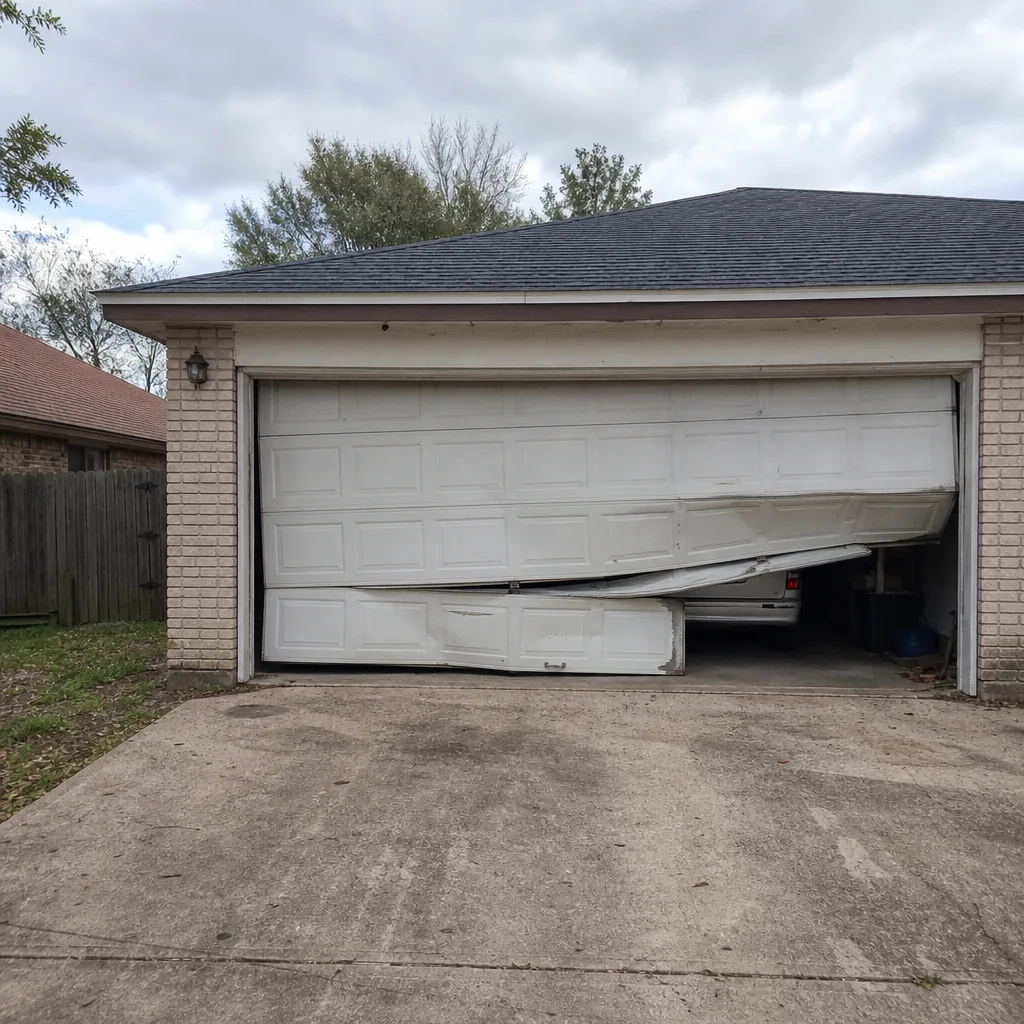 Before
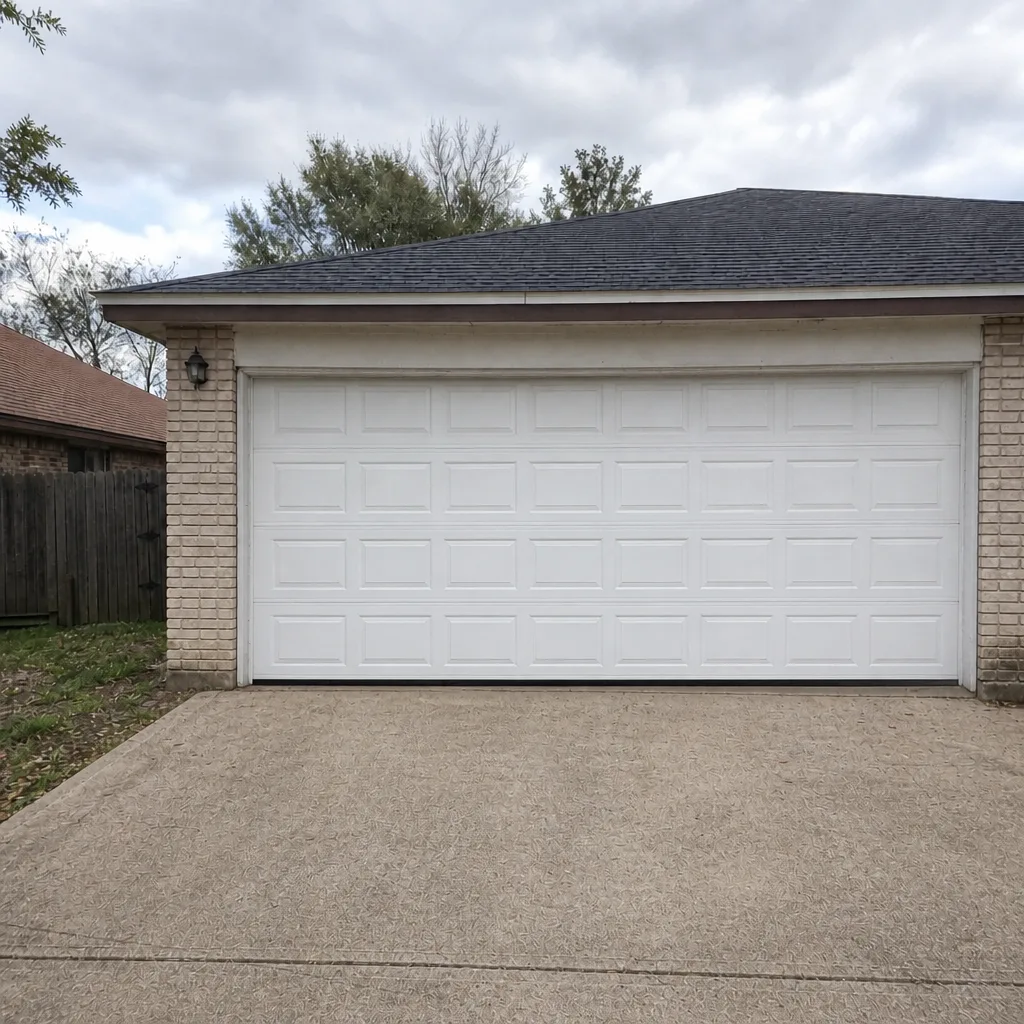 After
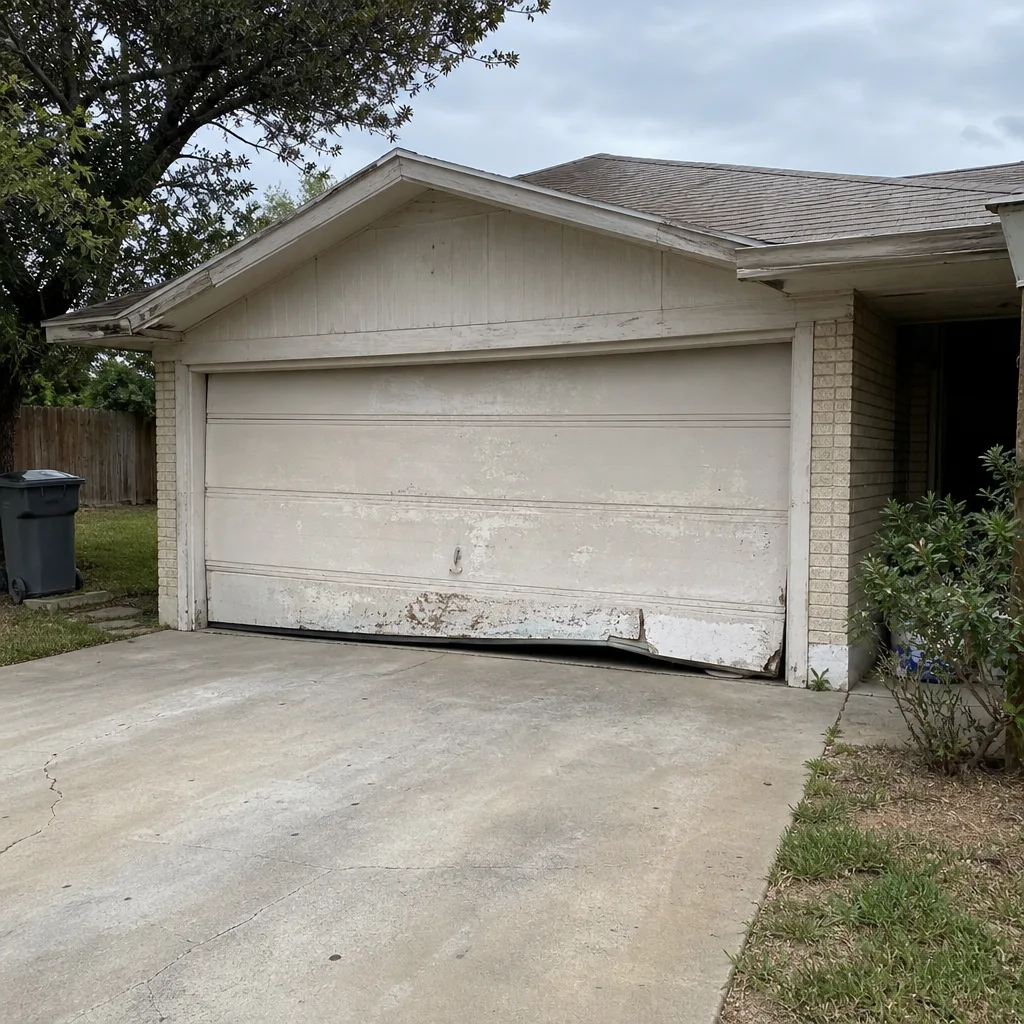 Before
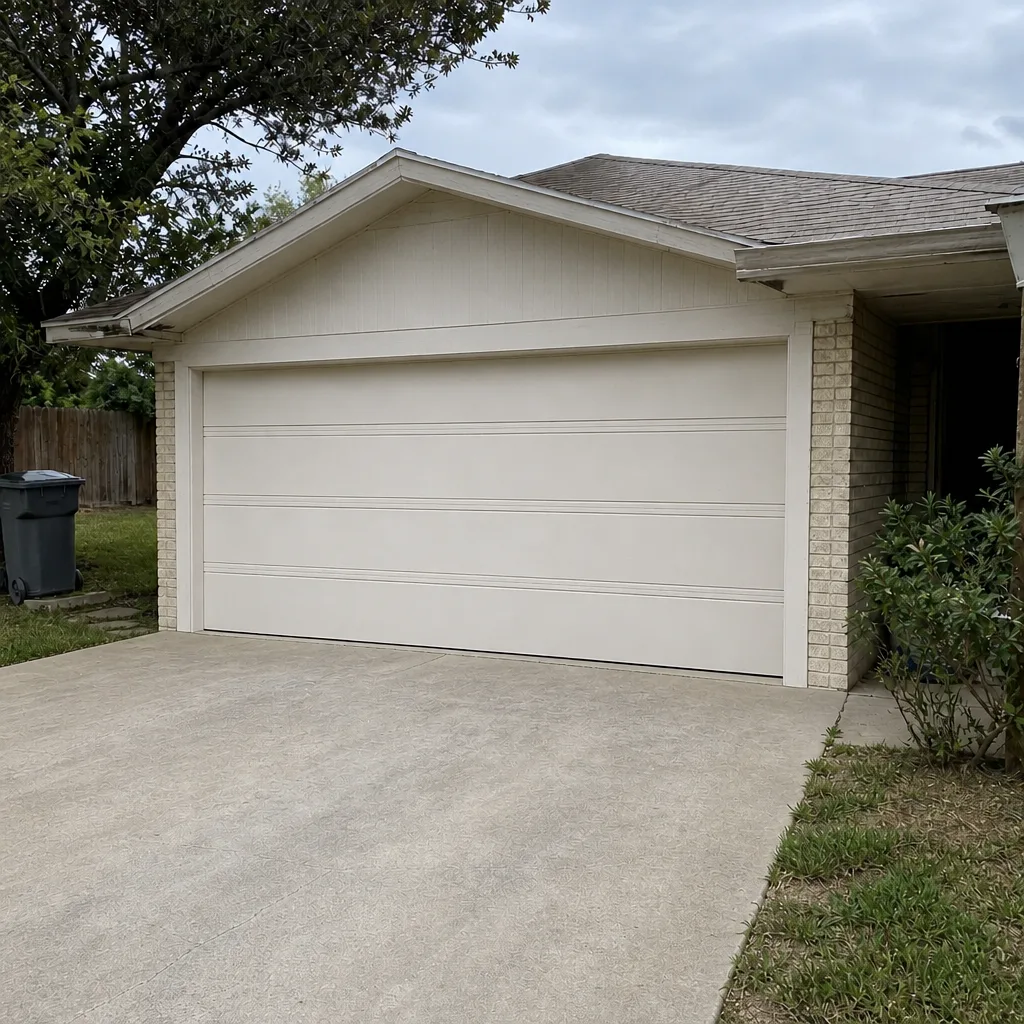 After
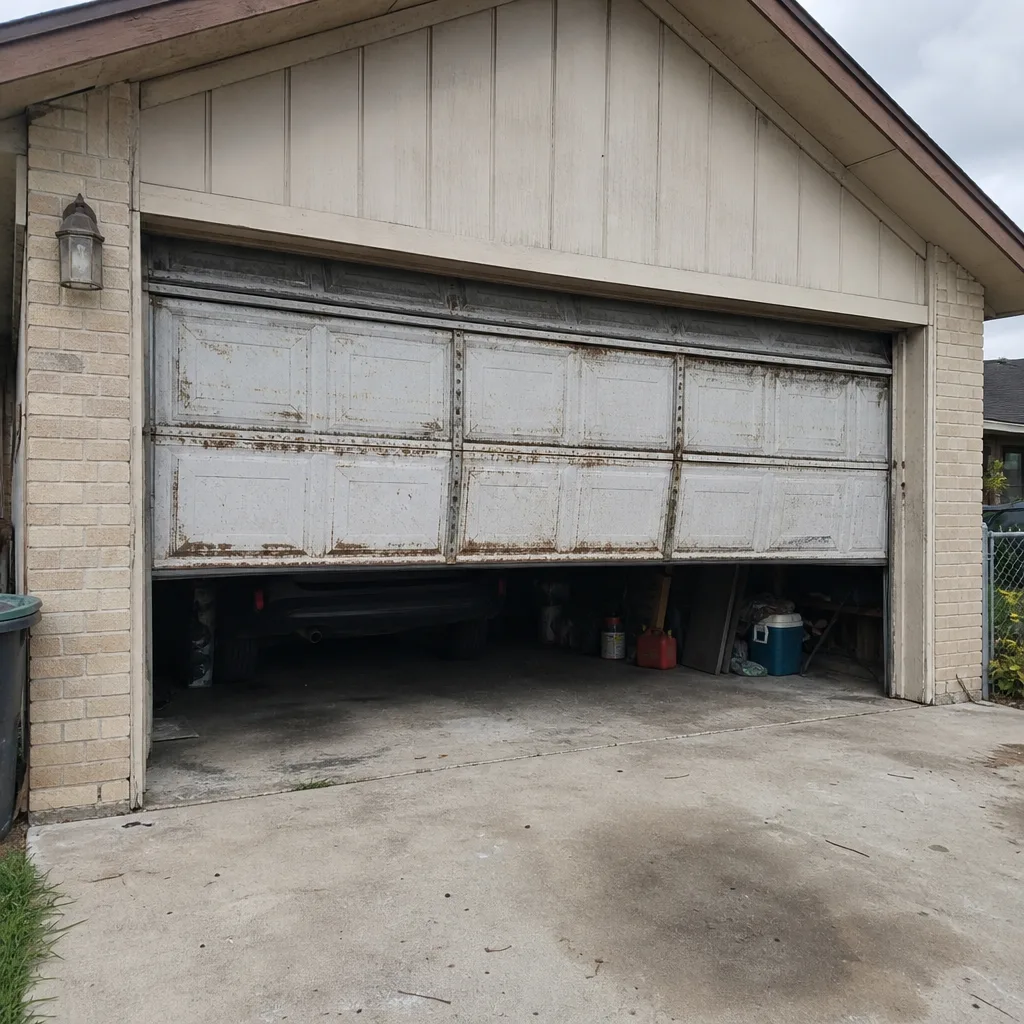 Before
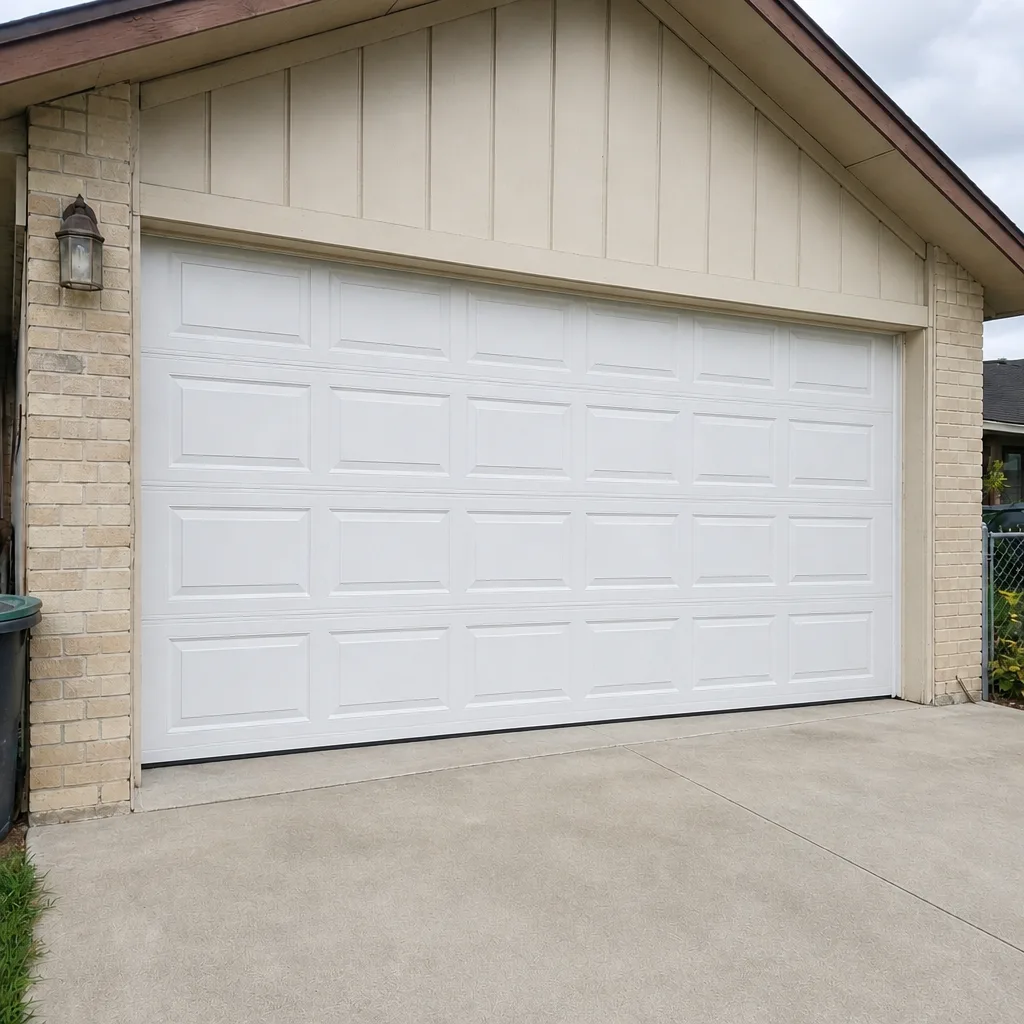 After