
Last updated November 16, 2026
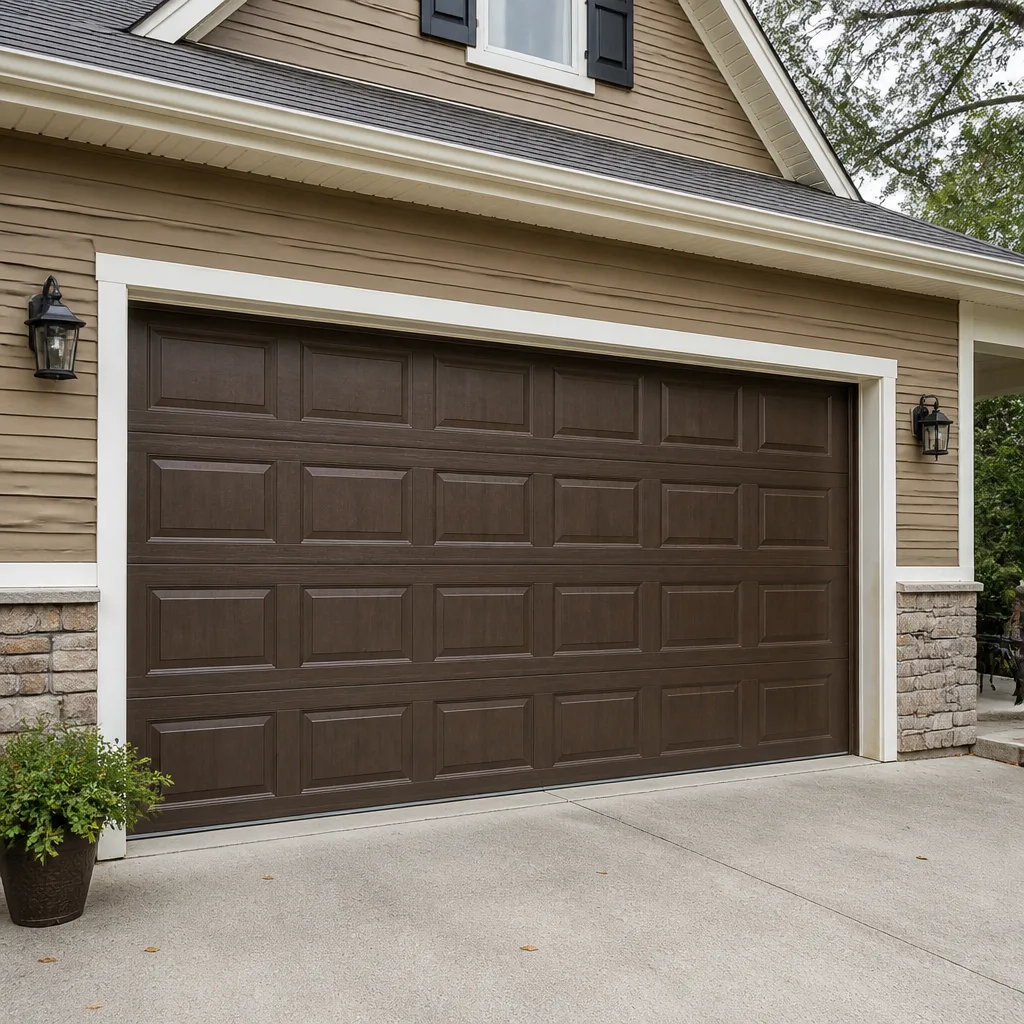 Raised-panel steel
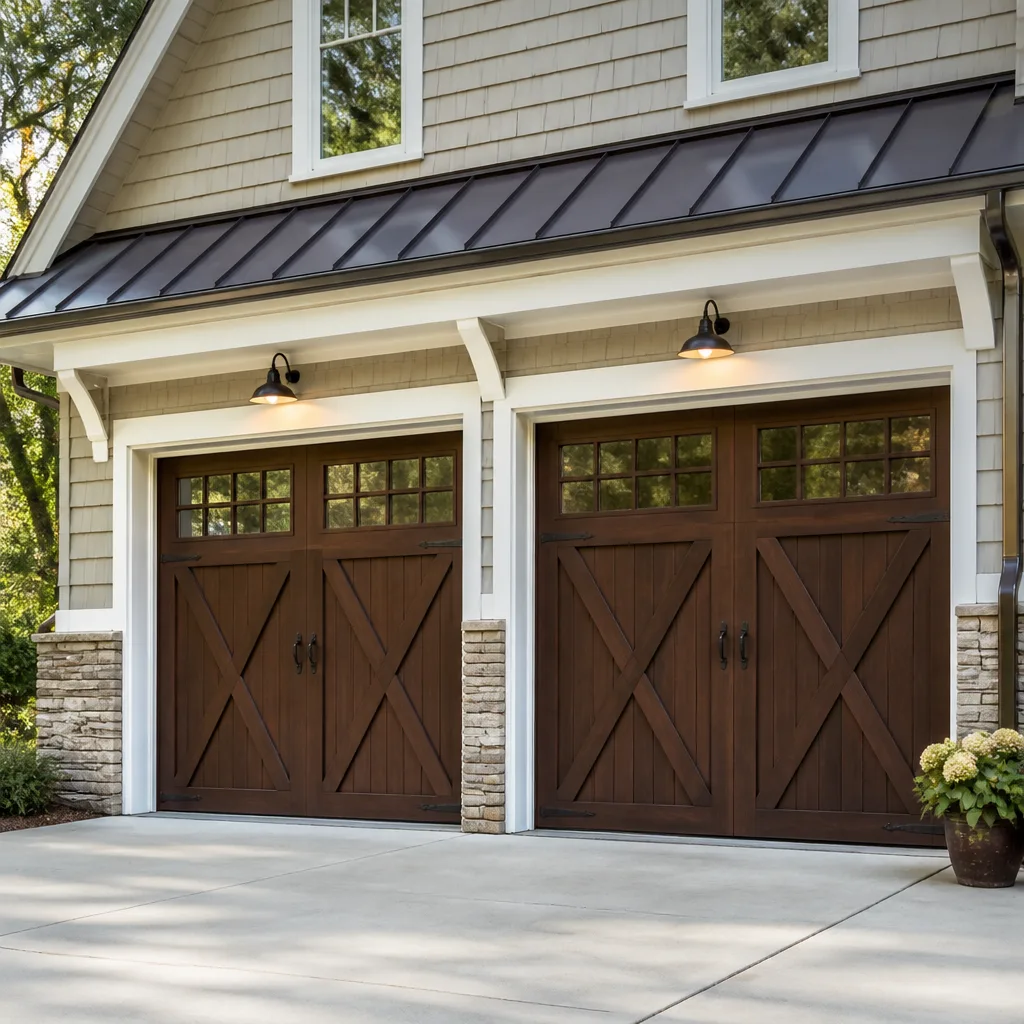 Carriage house
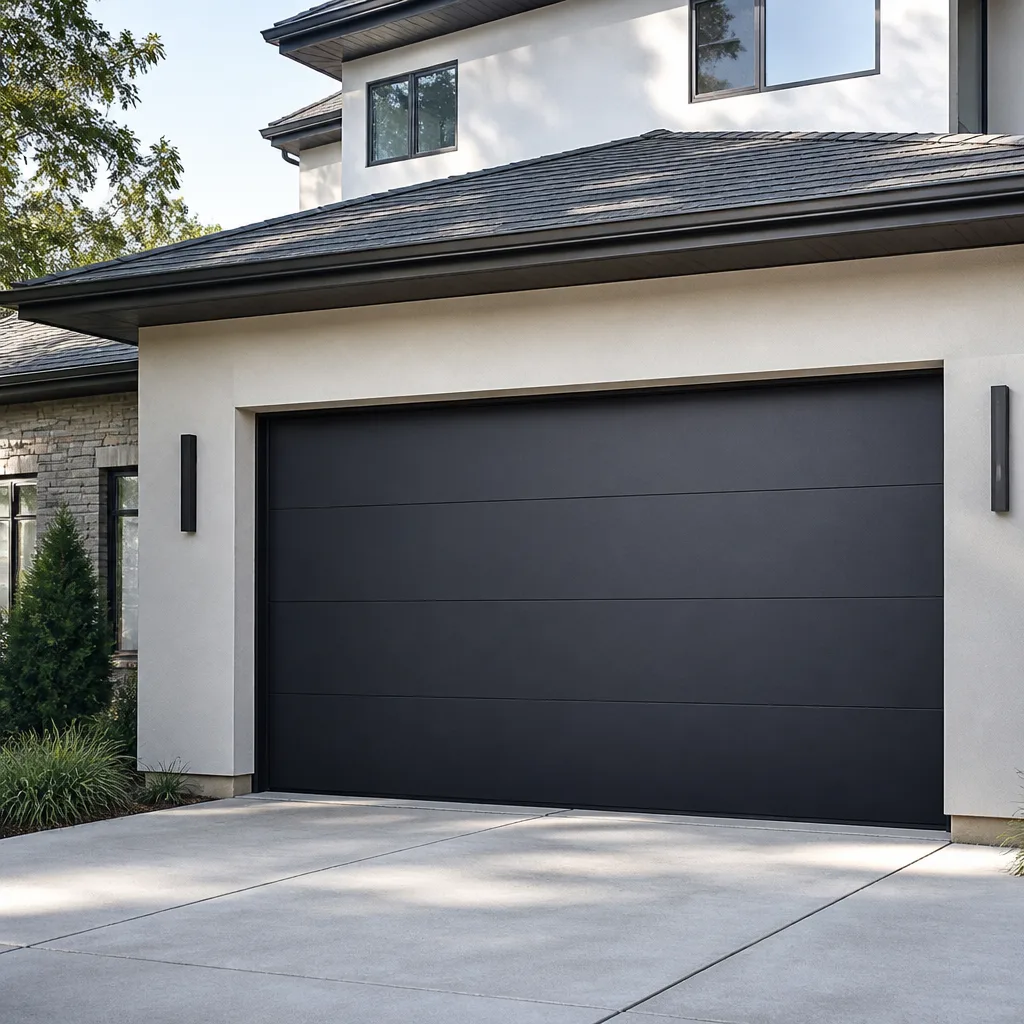 Modern flush
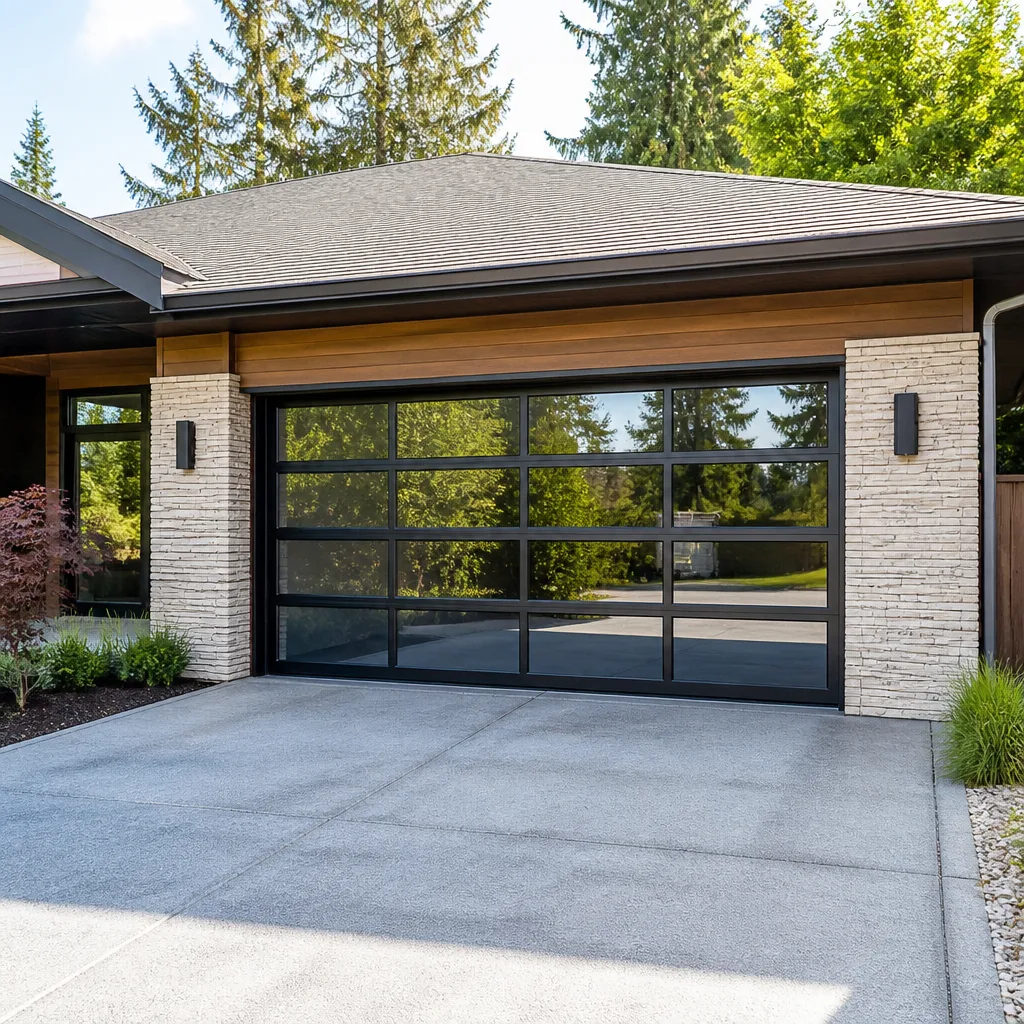 Full-view glass
 LiftMaster openers
 Chamberlain openers
Full 25-point door and opener safety check with every visit - springs, cables, rollers, tracks, and your LiftMaster or Chamberlain opener included
You get a price before we start. It does not change when the pro arrives.
Get your free estimateHow to Hire a Garage Door Contractor in McAllen: A Step-by-Step Guide
Most homeowners start the search for a garage door contractor with one question: “Are you licensed?” It feels responsible. It sounds like due diligence. But in Texas, the honest answer to that question tells you almost nothing useful. General contractor licensing in Texas doesn’t automatically cover garage door work, and there’s no single state-issued garage door specialty license the way there is for electricians or plumbers. So a contractor can truthfully say “yes” and still have never opened the control panel of the Genie or LiftMaster unit bolted to your ceiling.
This guide is built for McAllen homeowners who want to screen a contractor before anyone pulls into the driveway. We’ll cover what to actually verify, the five questions that separate a diagnostic technician from a salesperson, and how to read a quote without getting lost in vague line items. By the end, you’ll have a repeatable process you can run with any contractor in the McAllen market.
Quick Answer
To hire a garage door contractor in McAllen, look for a dedicated specialist (not a general handyman) who can confirm they service your specific door and opener brand, ask to see proof of liability insurance and a written scope of work before any wrench turns, verify their standing with the Texas Secretary of State and the Better Business Bureau, and compare at least two written quotes that itemize parts versus labor. The right contractor diagnoses before they quote and puts the price in writing before the job starts.
Styles & brands we work with
- Raised-panel steel
- Carriage house
- Modern flush
- Full-view glass
- LiftMaster openers
- Chamberlain openers
Table of Contents
- The McAllen Garage Door Market: Three Types of Contractor
- Brand-Authorized Dealer vs. Multi-Brand Specialist
- How to Verify Licensing, Insurance, and Complaint History in Texas
- Five Interview Questions That Reveal Real Diagnostic Skill
- How to Compare Quotes When the Parts Don’t Match
- Red Flags in Quotes and Sales Pitches
- Why Spring Pricing Deserves Its Own Conversation
- What McAllen’s Climate Does to a Garage Door System
The McAllen Garage Door Market: Three Types of Contractor
Drive through McAllen neighborhoods like Sharyland, the areas off North 10th Street, or the newer subdivisions near Trenton Road and you’ll see the same mix of garage door types on every block: single-car steel doors, double-car insulated doors, some wood-look composite panels on the larger homes. The contractors who service them split into three loose categories, and knowing which one you’re talking to changes how you should read their pitch.
Type 1: The general handyman. Advertises “garage door repair” alongside fence work and drywall. Often cheaper on paper. The limitation is depth: they may be able to swap a broken hinge or adjust a track, but they usually don’t stock brand-specific parts and can’t diagnose an opener board from a Genie or Chamberlain. When the work involves a torsion spring or a circuit board, a generalist is a coin flip.
Type 2: The brand-authorized dealer. Works under a manufacturer agreement, which means parts come fast and warranty claims are clean. The limitation cuts the other way: their training and stock focus on one or two brands. If your existing system is a Clopay door paired with a Craftsman opener they don’t carry, their best recommendation may be to replace rather than repair, because replacement fits their inventory.
Type 3: The multi-brand independent specialist. Services the full spread of leading brands. At Polaris Garage Door Repair, our technicians work on LiftMaster, Chamberlain, Genie, Clopay, Amarr, Wayne Dalton, Craftsman, and Raynor systems. The advantage isn’t just range for its own sake. It’s that a specialist who sees all of them can tell you what’s actually wrong with yours, and can match the right part to that specific system rather than forcing what they have.
None of these three types is automatically the right call. But the sales language is nearly identical across all of them, so the classification has to come from what they tell you, not what they claim.
Brand-Authorized Dealer vs. Multi-Brand Specialist
Here’s the part the industry doesn’t explain to homeowners: a brand-authorized dealer is contractually and commercially tied to one manufacturer’s product line. That isn’t a knock on their skill. It does mean their recommendation passes through a filter. When the only door they stock is a Wayne Dalton, every conversation bends toward a Wayne Dalton. When the only opener they carry is LiftMaster, your ailing Genie looks like a replacement problem even when it’s a repair problem.
A multi-brand specialist has no inventory incentive. Their diagnosis can follow the actual failure. If the circuit board on your opener is gone and a new board gets you several more years, that’s the honest answer. If the door panels are separating and the torsion system is undersized, that’s the honest answer even when it costs more upfront.
How to tell the difference in a conversation:
- Ask: “Do you service more than one brand of opener?” A dealer will name one or two. A multi-brand specialist will rattle off several without pausing.
- Ask: “If the brand I have can be repaired, would you recommend repair or replacement?” A dealer may hedge. A specialist will say “repair, unless X or Y is wrong.”
- Ask: “What brands of door can you get parts for?” Not “install” – parts. Parts availability is the difference between a repair that lasts and one that gets patched with a generic piece that fits poorly.
The practical consequence: if the contractor’s answer to every question keeps landing on “the best option here is a new door,” you need to ask whether that’s the diagnosis or the inventory talking. If you can, get that diagnosis in writing before any commitment. Our own work runs across repair, garage door opener repair, and new installation, which means the recommendation we give is whatever the system actually needs. That’s the standard to hold any contractor to.
How to Verify Licensing, Insurance, and Complaint History in Texas
Texas doesn’t require a single statewide specialty license for garage door technicians. Some work can fall under general contractor rules depending on the scope, and some doesn’t. Because of that, “are you licensed?” is a starting point, not an answer. What matters more is whether the contractor is insured, whether they’re operating as a registered business, and whether other customers have filed complaints.
Follow these steps before you sign anything:
- Ask for a certificate of insurance. Request liability insurance and, if they have employees, workers’ compensation coverage. You want a certificate issued by their insurer, not a verbal “we’re fully insured.” Call the insurer’s number on the certificate to confirm it’s active. If the contractor hesitates or produces a certificate with your name nowhere on it, that’s a real problem. If a worker is injured on your property without workers’ comp, the liability can shift toward you.
- Confirm the business is registered with the Texas Secretary of State. Search the business name and look for an active filing. A legitimate contractor operating in Texas under a business name will usually be registered as an entity, and the entity’s registered agent address should match what they told you.
- Check a complaint history. The Better Business Bureau of South Texas maintains records on many local contractors. Read the pattern of complaints, not just the count. One complaint about scheduling is different from several about surprise charges.
- Ask for proof of specialized training. For opener work, ask whether the technician has been trained on your specific brand – Genie, Chamberlain, LiftMaster, and Craftsman all have their own diagnostic procedures and codes. For door systems, ask how long their technicians have been working on garage doors specifically. At Polaris Garage Door Repair, our technicians have up to 12 years of experience, and we’re happy to talk about that in a call before scheduling.
- Get the quote in writing before work starts. Every contractor’s price should be quoted and agreed before any tool is picked up. If someone wants to eyeball it and then send a bill afterward, walk away.
None of these steps take long. An hour of verification is cheap compared to a spring failure or an opener board later.
Five Interview Questions That Reveal Real Diagnostic Skill
Any contractor can tell you they’re “experienced in all types” of garage doors. Ask these five questions on the phone or on the first visit and listen for how specific the answer is. Vague, sales-flavored responses mean you’re talking to a pitch. Specific, technical answers mean you’re talking to a technician.
- “What brand am I likely looking at based on my description?” Describe your door’s springs, your opener’s brand, and whether it’s a belt, chain, or screw drive. A technician who works across LiftMaster, Chamberlain, Genie, Clopay, Amarr, Wayne Dalton, Craftsman, and Raynor will recognize the combination. A dealer will assume it’s whatever they sell. A handyman will ask you to look for a sticker.
- “Before you come out, what would you like me to check?” A real diagnostic process starts before the tech arrives. They may ask you about the door balance (open it halfway by hand – does it stay?), the opener’s blinking light pattern, whether the photo-eye light is steady or flickering. A salesperson will say “just leave it, we’ll figure it out when we get there.”
- “If the door is heavy to lift by hand, is that a spring issue?” This is a fundamental diagnostic question. The answer should be yes, almost always, and a technician should explain that the spring counterbalances the door’s weight and that it’s the most dangerous component of the system – not something for a homeowner to touch. If they seem unsure, they haven’t worked on many doors.
- “What’s the difference between repairing my opener and replacing it?” A specialist will talk about board failures, gear wear, logic board resets, and whether parts for that opener model are still manufactured. A generalist will say “we can replace it.” A dealer will say “replace it.”
- “Will you walk me through the diagnosis before any work starts?” The right answer is “yes.” A diagnostic without a walkthrough is a black box. You need to hear what’s wrong in plain language before you decide whether to authorize the repair.
Stack those five answers next to each other for two contractors and the difference between a specialist and a salesperson becomes obvious. If you’re comparing on a call, we’re happy to answer all five upfront when you reach out to Polaris Garage Door Repair.
How to Compare Quotes When the Parts Don’t Match
Here’s where most homeowners lose money. Two quotes come in on paper and one is $120 cheaper. You pick the cheaper one. Six months later the door starts squealing and you find out the cheaper quote used a generic spring with a lower cycle rating, or a non-matching hinge, or a belt-drive opener retrofit that didn’t include a new rail. Some of those things last. Some don’t.
The fix is to compare quotes on specifications, not headline numbers. Every line on a garage door quote should name the exact component. If it says “spring replacement – $X,” ask what the cycle rating is on that spring. If it says “opener – $X,” ask what model. If the answer is “the standard one,” you’re being quoted something you can’t actually evaluate.
Here’s a comparison table for the categories that usually differ between quotes:
- Springs: Ask for the cycle rating. A spring rated for fewer cycles has a lower material cost and will fail sooner. Prices vary by spring type and door weight – you want the quote to name the spring and the door’s weight class, not just “spring.”
- Openers: The model matters. A base-model chain drive and a Wi-Fi-enabled belt drive from the same brand are different tools. The quote should name the model number, not just the brand.
- Door panels: Ask what the panel is made of and what its insulation value is. Two identical-looking doors – a Clopay and an Amarr, for example – may have very different panel construction.
- Labor: Is the labor itemized, or rolled into the parts line? An itemized quote shows the actual scope of work. A rolled-up quote hides what’s being done.
- Disposal and haul-away: A new door installation means an old door to haul. Ask whether the quote covers hauling it off, and whether the old opener comes down.
Don’t just ask for the total. Ask for the parts sheet. A contractor who can hand you a clear parts sheet is a contractor you can compare fairly.
Red Flags in Quotes and Sales Pitches
Garage door repair has a well-earned reputation for aggressive sales in some markets, and McAllen is no exception. The pitches can be slick. The red flags are usually one of these:
- Vague line items. “Springs and labor – $X” without naming the spring, the cycle rating, or the door weight class. You can’t compare what you can’t see. A written quote should be specific enough that you could hand it to another contractor and they’d know exactly what was being proposed.
- Same-day pressure on non-urgent work. A legitimate technician will happily quote a spring replacement today and schedule it for tomorrow. If someone says “this price is only good if we do it right now,” that’s a close. It’s not an estimate.
- Suspiciously low spring prices. Springs are priced by cycle rating and door weight, so the low end of any market range is real – but a quote dramatically under it usually means a lower-grade spring. You’ll pay for that decision in a few years.
- “Your door is unsafe” without specifics. If a technician tells you it’s unsafe, they need to name the failure: broken spring, frayed cable, bent track, failed photo eye. “Unsafe” as a category with no diagnosis is a scare tactic.
- “You’ll need a new door” without a parts check. A repair specialist should be able to tell you whether the opener or door is salvageable. If the answer to every question is “new door,” the recommendation is coming from inventory.
- No written estimate before starting. Spring, opener, and installation work all require a written price. If they want to come out first and talk price after opening a panel, walk away.
- Pressure to skip the walkthrough. “We’ll just fix it and send you the bill” is not a quote. It’s a blank check with better manners.
Why Spring Pricing Deserves Its Own Conversation
Torsion spring pricing is where the market’s biggest quote-to-quote spread lives, and it’s worth understanding why. Prices for a single spring in McAllen typically run in a range that reflects the spring’s material grade and cycle rating, the door’s weight, and the door’s height. That range is per spring. If your door has two springs – many double-car doors do – each spring is replaced individually, and a matched pair is usually replaced together because a new spring next to an aged one will wear unevenly. The pair, not the single spring, sets the total line.
The most common dishonest comparison is when one quote prices a pair and another prices a single and then tacks on “second spring” as an add-on later. Compare the pair total, not the per-spring headline.
Another point: a spring is one of the few components on a garage door where the failure can genuinely injure someone. The torsion spring stores enormous force when it’s wound, and opening a spring housing without the right tools and training is a real hazard. We’d rather you understand how the spring works and know when it’s failing (a loud snap, the door suddenly heavy, the door dropping fast) than attempt anything hands-on. The diagnosis and repair should be left to a trained technician.
If the door is already stuck, the work becomes urgent. If it’s just heavy or noisy, you can plan the repair rather than react to it. Call us to talk through which one you’re looking at and we’ll give you a free estimate.
What McAllen’s Climate Does to a Garage Door System
McAllen’s heat and humidity put specific strains on a garage door system that don’t show up in every market, and understanding them helps you ask the right questions of a contractor. The garage in a South Texas house absorbs serious heat during the summer – a west-facing attached garage can be significantly hotter than the outside air by mid-afternoon, and the door panels are the largest heat-facing surface on the house.
What that means practically:
- Springs soften faster in sustained heat. A torsion spring’s metal properties change over time with heat cycles, and a spring that would have lasted longer in a cooler climate can fail sooner here. That’s a reason to ask about cycle rating when a quote names a spring – the higher-rated spring is worth the cost in McAllen specifically.
- Wood and composite doors absorb humidity. A wooden or wood-composite door can swell in humid months, which throws the balance and stresses the hinges. Steel and aluminum doors avoid this; if your door is wood or composite and it starts dragging, humidity is a likely contributor.
- Lubrication matters more. Rollers, hinges, and the torsion shaft all need lubricant more often than the manufacturer’s general recommendation because of the heat and dust. A technician worth hiring will mention this without being asked.
- Photo-eye and sensor issues. A day of heavy humidity can fog the photo-eye lens. If your door won’t close “randomly,” that’s often the first thing to check. A good technician will walk you through the photo-eye test over the phone.
If a contractor’s pitch for the same repair mentions none of this and treats McAllen like it’s climate-neutral, that’s a small but real signal. The right technician for a McAllen home has seen enough of these systems in this heat to know which failures are weather-driven.
Common Mistakes to Avoid
- Asking only “are you licensed?” and stopping. In Texas that question is a starting point, not a filter. Follow it up with insurance, business registration, and a complaint history check before you let anyone start a job.
- Comparing quotes on the headline number. Two quotes for “spring replacement” can mean very different things – different cycle rating, different door weight class, one spring versus two. Compare the parts, not the total.
- Assuming a handyman can handle a brand-specific opener. A generalist can fix a loose hinge. An opener board or a photo-eye circuit needs someone trained on that brand’s diagnostic codes. Ask specifically.
- Calling a brand-authorized dealer without understanding their incentive. They’re skilled, but their recommendation tends toward the brand they stock. Know the filter exists before you listen to the advice.
- Skipping the diagnostic walkthrough. A technician who won’t explain what’s wrong in plain language before starting work is asking you to trust a black box. That’s a red flag, even from a friendly voice.
- Ignoring warning signs that signal bigger problems. A door that suddenly feels heavy, a snap sound from the torsion bar, a door that reverses on its own, or a motor that hums without moving the door. These are all signs to call, and they get worse if you wait.
- Leaving a non-urgent repair for months. Springs wear to failure, not to a convenient time. A door that’s six months overdue for a spring replacement can fail during the next heat wave when you least want to deal with it.
See the difference
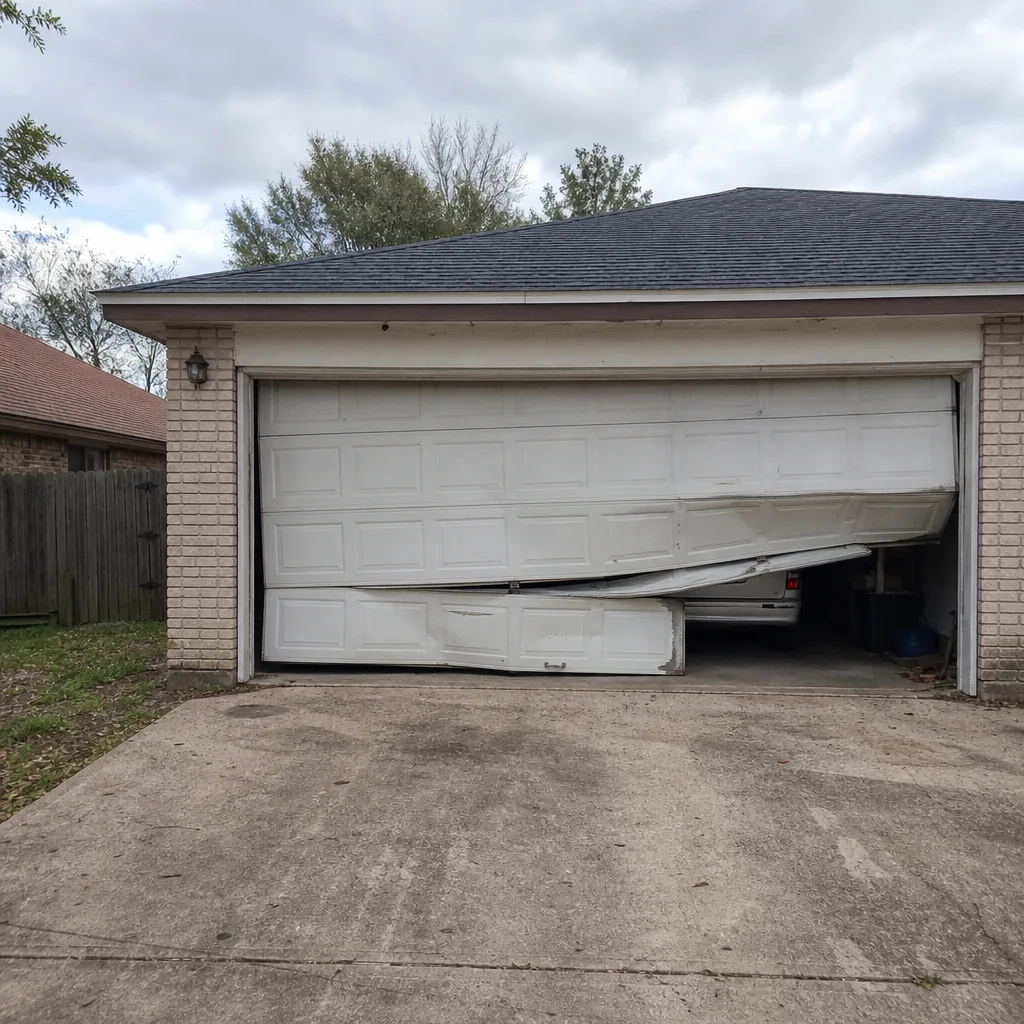 Before
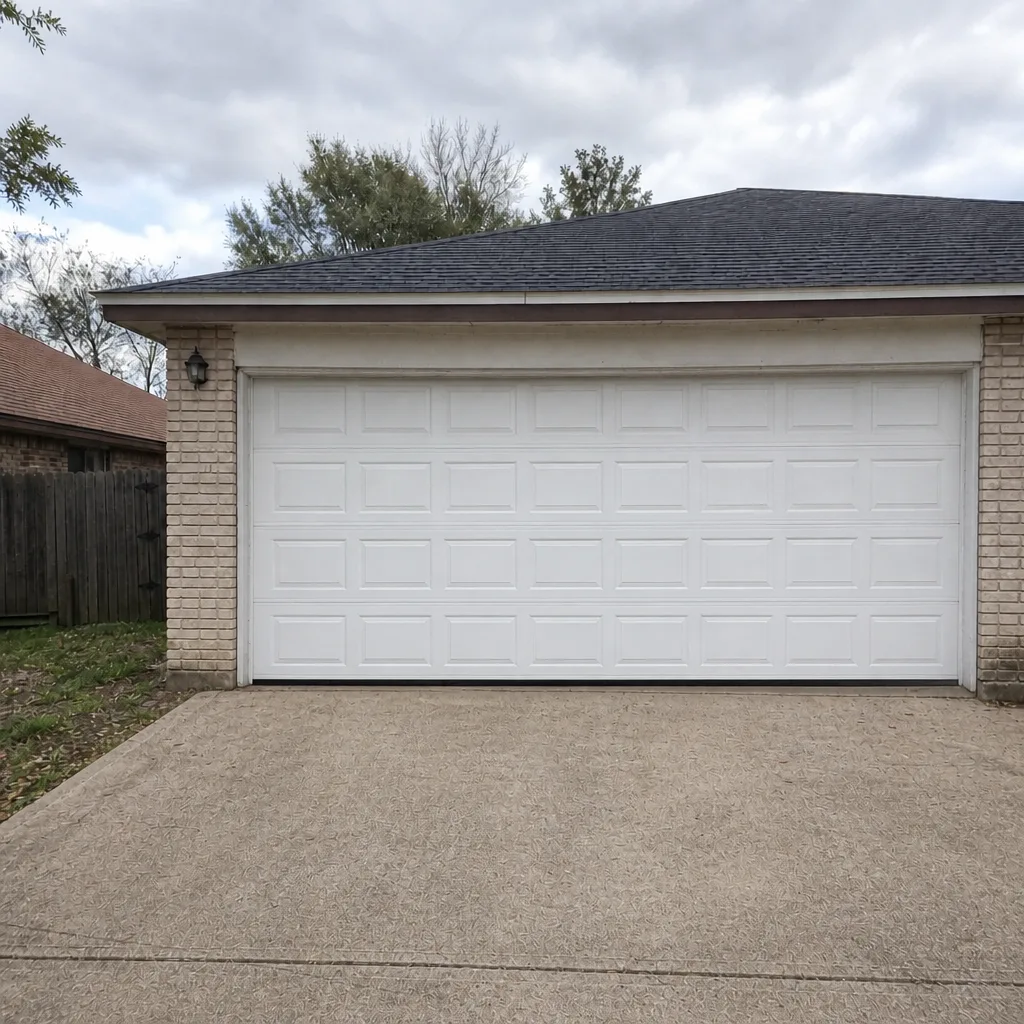 After
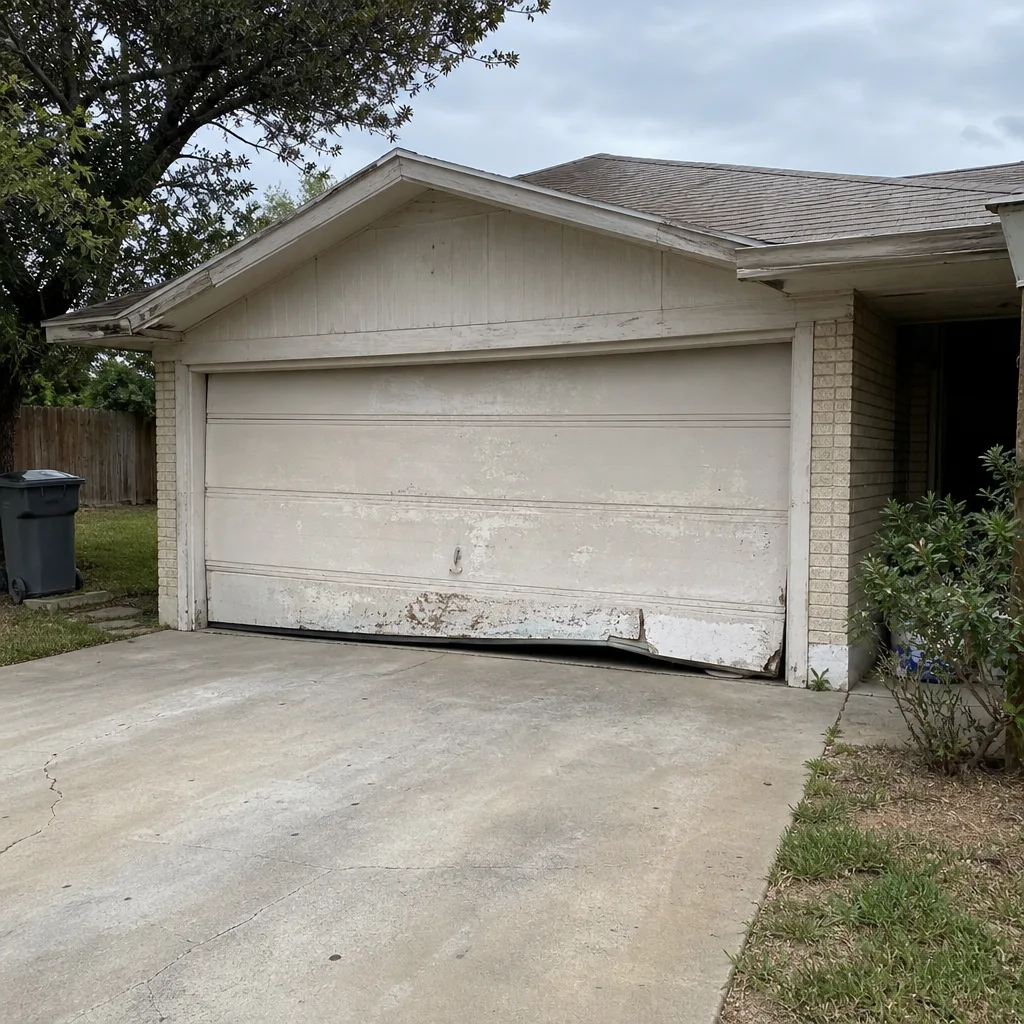 Before
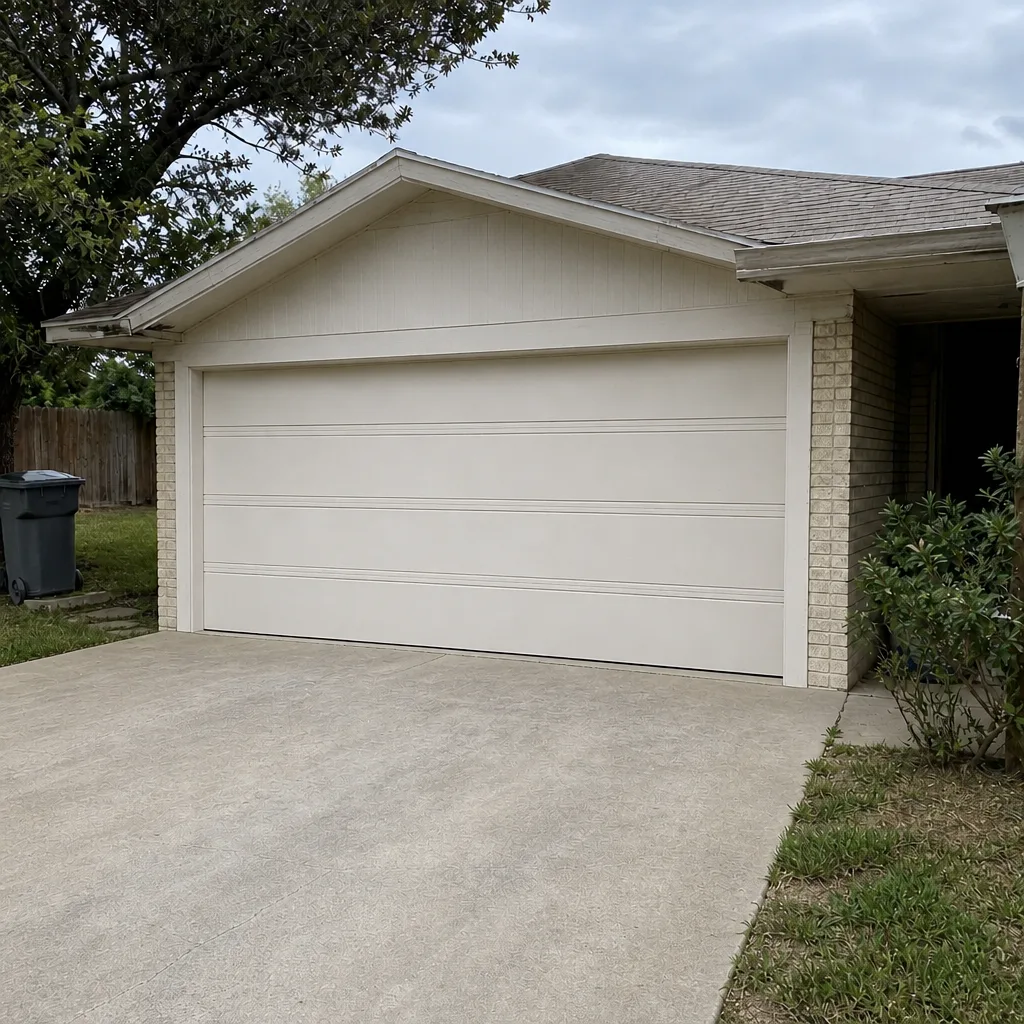 After
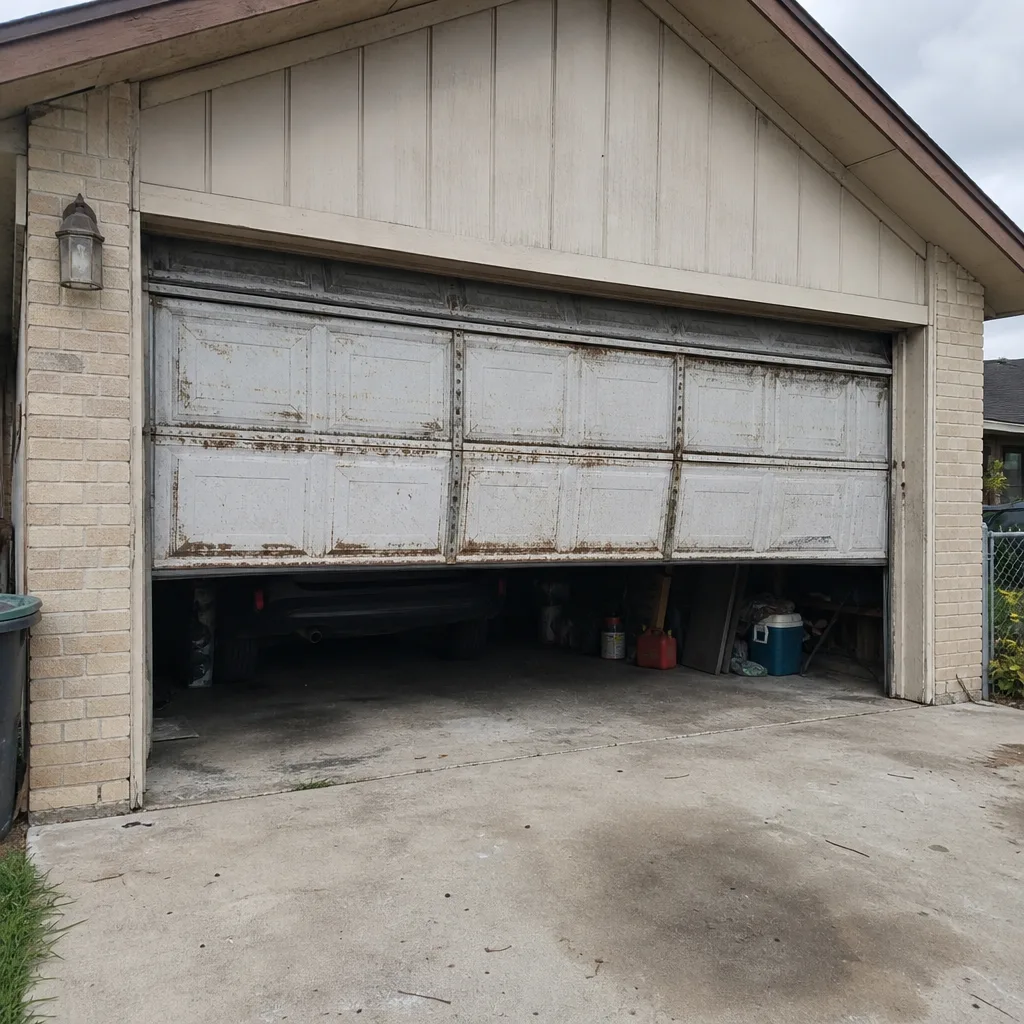 Before
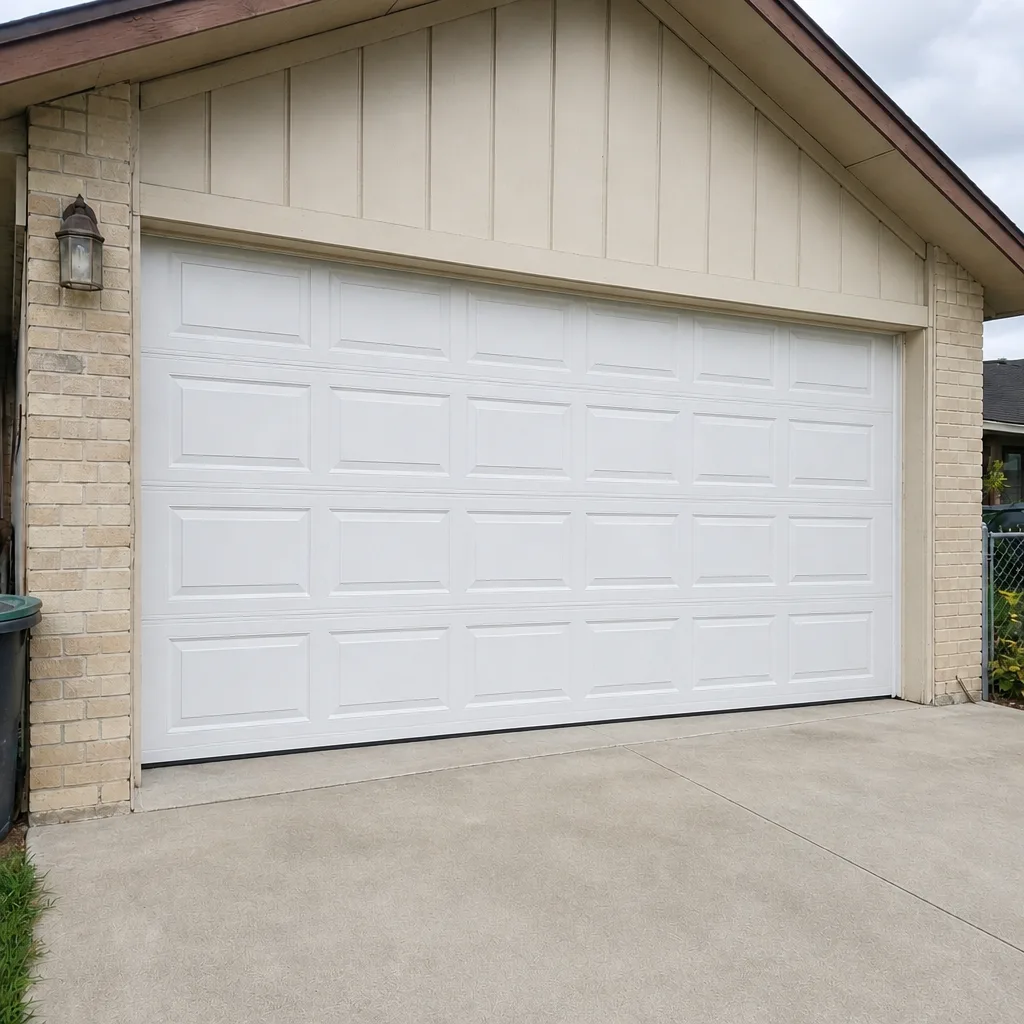 After
When to Call a Professional
Some garage door symptoms are genuinely urgent; others can be scheduled. If you hear a loud snap from the torsion bar and the door suddenly won’t lift, that’s a broken spring and you should stop using the door and call. If the opener is humming but the door doesn’t move, that could be a stripped gear, a broken coupler, or a dead board – stop operating it and get someone out. If the door reverses on its own, the photo-eye is misaligned or blocked – that’s a safety issue and needs to be diagnosed before you rely on the door for security.
Less urgent but worth scheduling: a door that feels heavier than it used to, rollers that squeal, a track that has a visible bend, an opener that’s slow to respond, or a door that sags on one side. These tend to worsen, not improve. If you’re not sure which category a problem falls into, Polaris Garage Door Repair offers free estimates in McAllen – call (866) 285-4210. We answer 24/7. Fast dispatch from 7am to 7pm, Sunday through Friday.
Frequently Asked Questions
Start with proof of liability insurance and business registration, then ask how many brands they service and how specifically they diagnose the system you have. A contractor who can name several brands and explain the diagnostic steps for your specific opener brand is more qualified than one who can only say “are you licensed?” back at you. Our technicians have up to 12 years of experience, and we work across all the major brands – ask us anything upfront before you schedule.
Torsion spring work and opener electrical work are genuinely dangerous and should be left to a trained technician. The spring stores tremendous force and can cause serious injury if it releases during handling; loose wiring at the opener can create both a shock and a fire risk. What’s safe for a homeowner to check: whether the door is heavy to lift by hand, whether the photo eye light is steady, and whether the opener’s remote is working. Call a professional for the rest.
A written quote should itemize parts and labor separately, name the exact components (spring type and cycle rating, opener model, door panel construction), state a total, and be provided before any work begins. Anything less specific than that is a verbal estimate with a number on it. If a quote just says “spring replacement – $X,” ask for the parts sheet.
Because the springs usually aren’t the same. Cycle rating, material grade, and whether the quote is for one spring or a matched pair all change the total. A quote that prices a pair and another that prices one spring and adds the second as an upsell look very different on paper but sit much closer in real cost. Compare the pair total, not the per-spring headline – and ask the cycle rating. Call us if you want a free estimate to compare against another.
Sometimes, yes, and it’s worth understanding why. A brand-authorized dealer may recommend replacement because their inventory and training focus on replacement. A multi-brand repair specialist should be able to tell you honestly whether a repair is viable, because their recommendation doesn’t require specific inventory. Ask “if this can be repaired, would you recommend repair?” before you commit. We’re a repair-first specialist – our quote reflects what your system actually needs.
Most single-component repairs (spring, opener part, roller) can be completed in one visit, typically an hour or two of work. Larger jobs – full opener replacement, multiple springs plus tracks, new panel installation – often require more time or a second visit. The written estimate should tell you what to expect for your specific scope. Call (866) 285-4210 for a free estimate and we’ll talk through your situation. We answer 24/7.
The Bottom Line
Hiring a garage door contractor in McAllen comes down to a short set of verifiable questions, not a long list of trust-me promises. Confirm insurance and business registration. Ask which brands they service and listen for specifics. Get a written, itemized quote before work starts. Understand whether the recommendation is coming from a repair-first mindset or a replacement inventory. And test the diagnosis before you commit – the right contractor will walk you through what’s wrong in plain language. That screening process protects your wallet more than any review count or website badge. When you’re ready to run it, Polaris Garage Door Repair answers 24/7 and gives free written estimates in McAllen. For a broader look at our services, see our dedicated garage door repair page, our Doolittle area page, or start at Polaris Garage Door Repair.
Call (866) 285-4210 for a free estimate. We answer 24/7. Fast dispatch from 7am to 7pm, Sunday through Friday.
Written by the team at Polaris Garage Door Repair.