
Last updated November 16, 2026
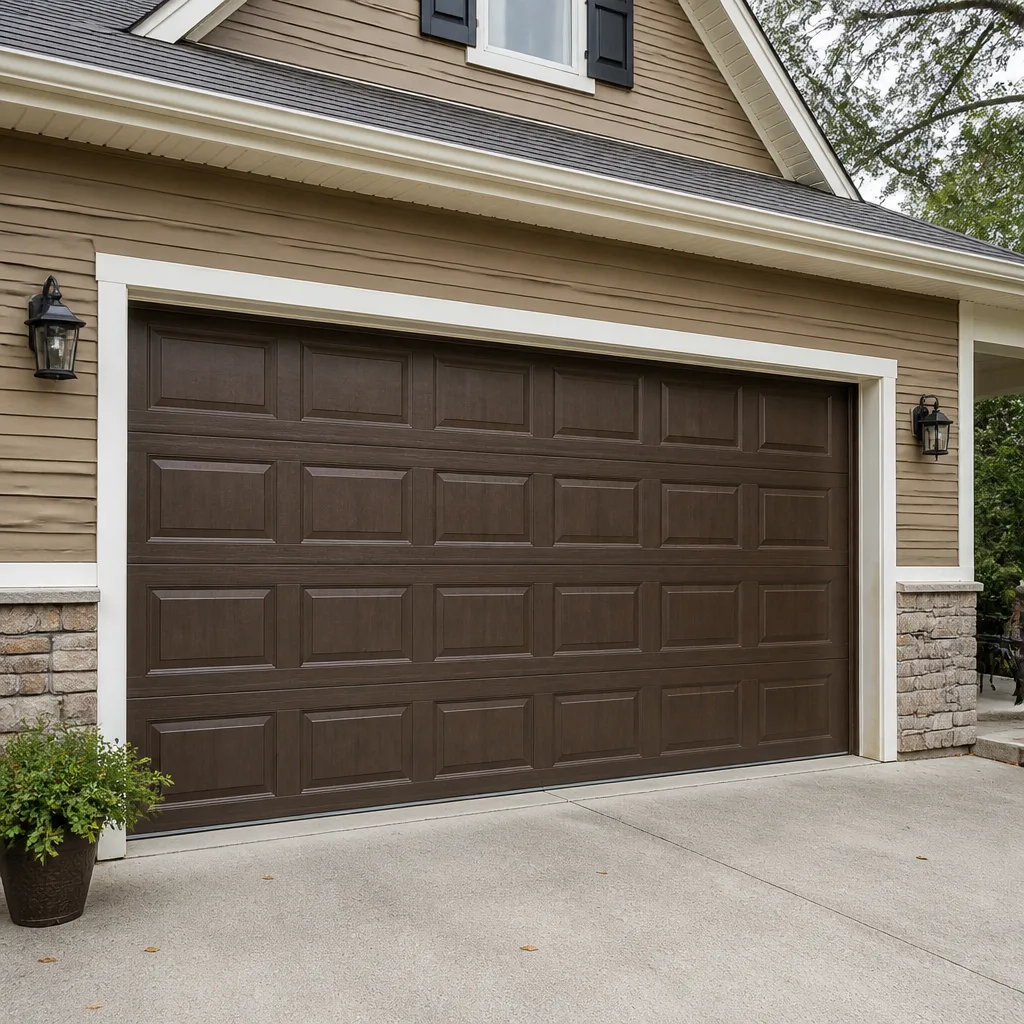 Raised-panel steel
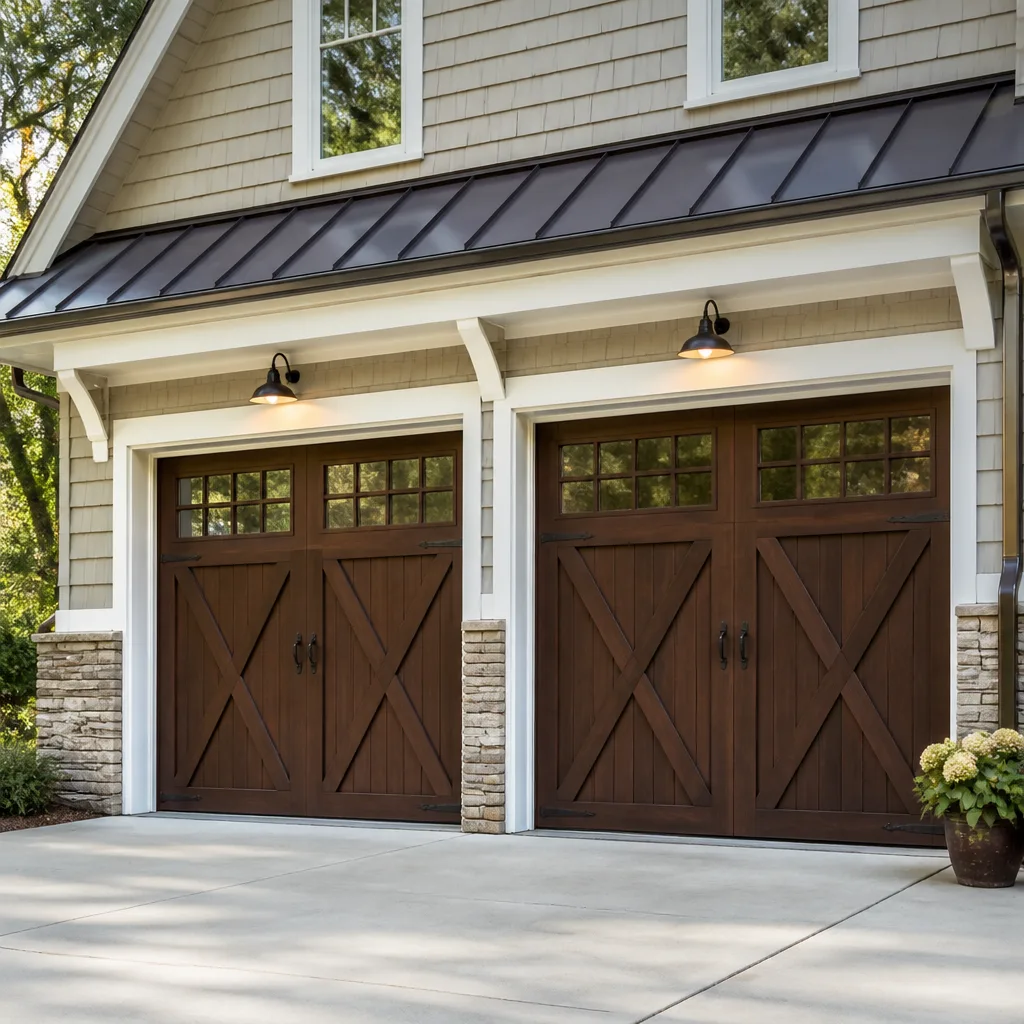 Carriage house
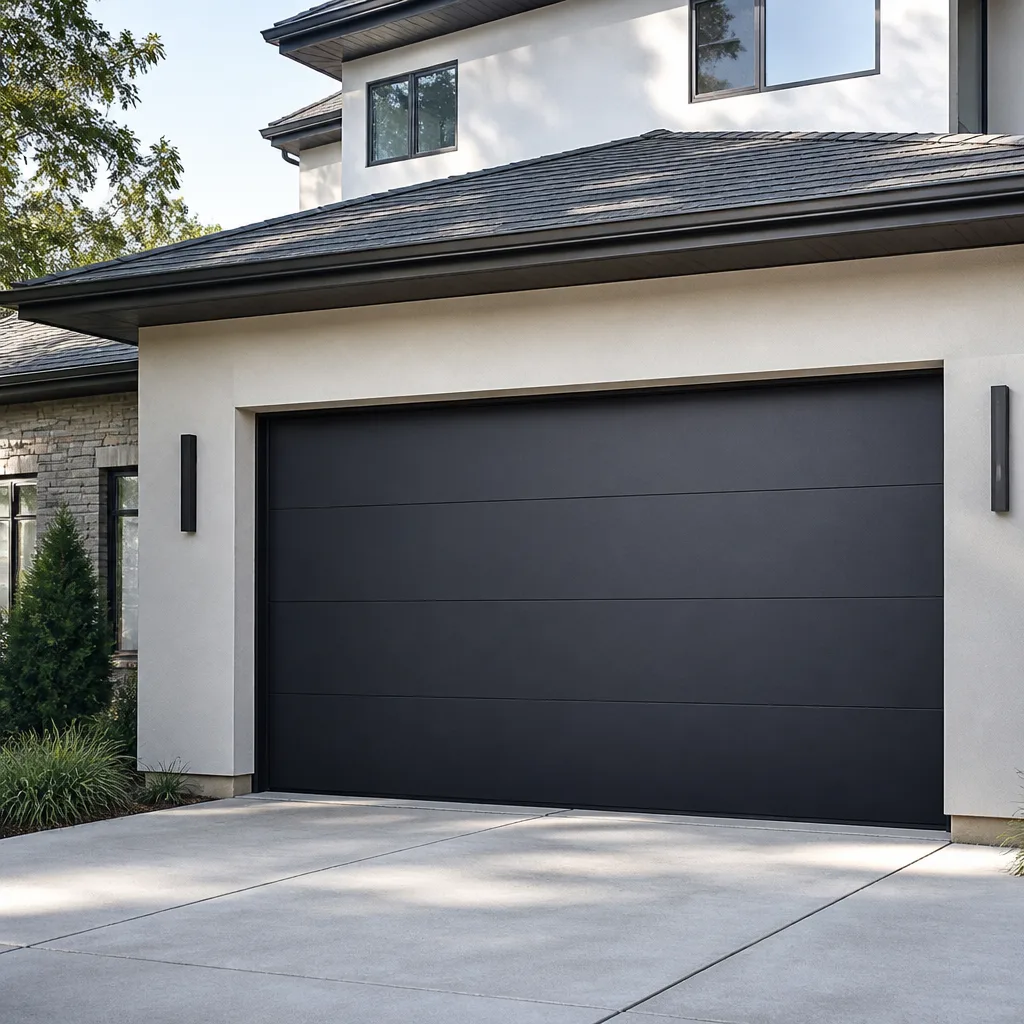 Modern flush
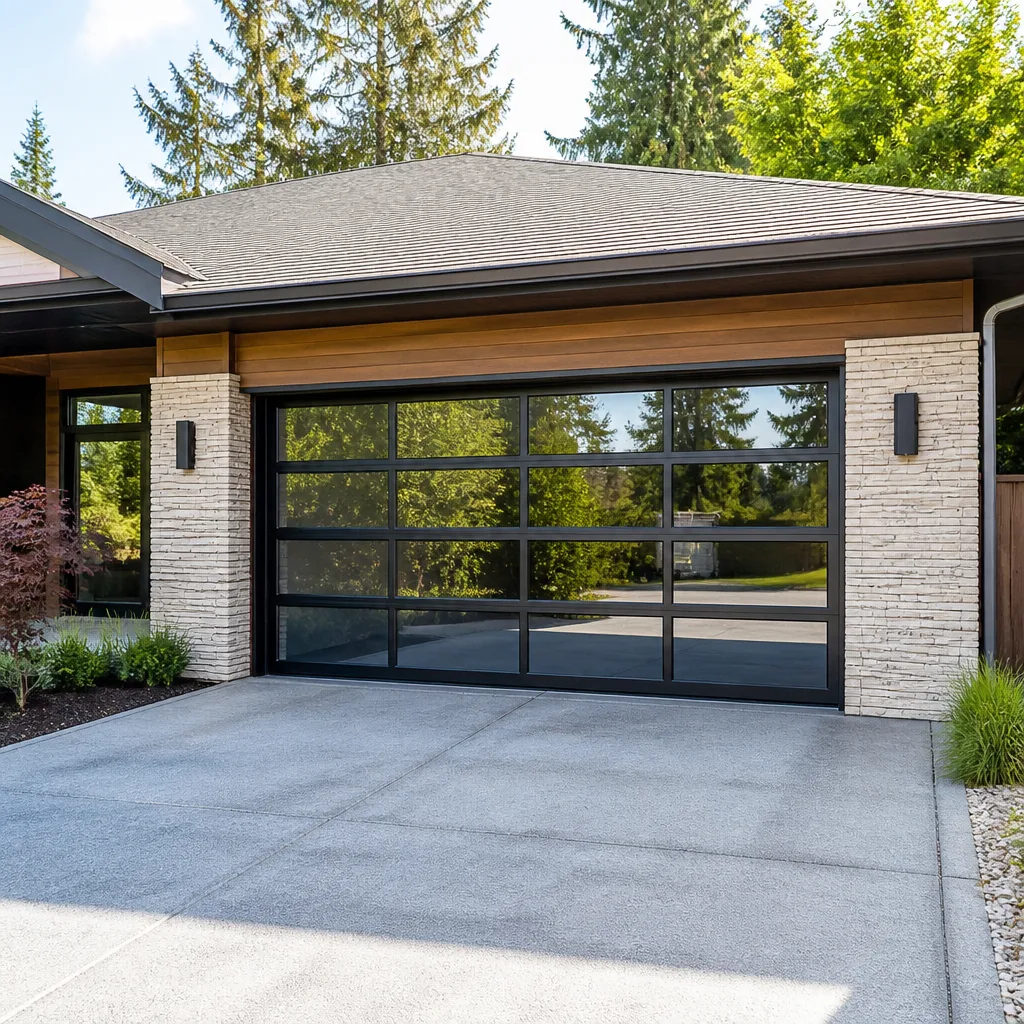 Full-view glass
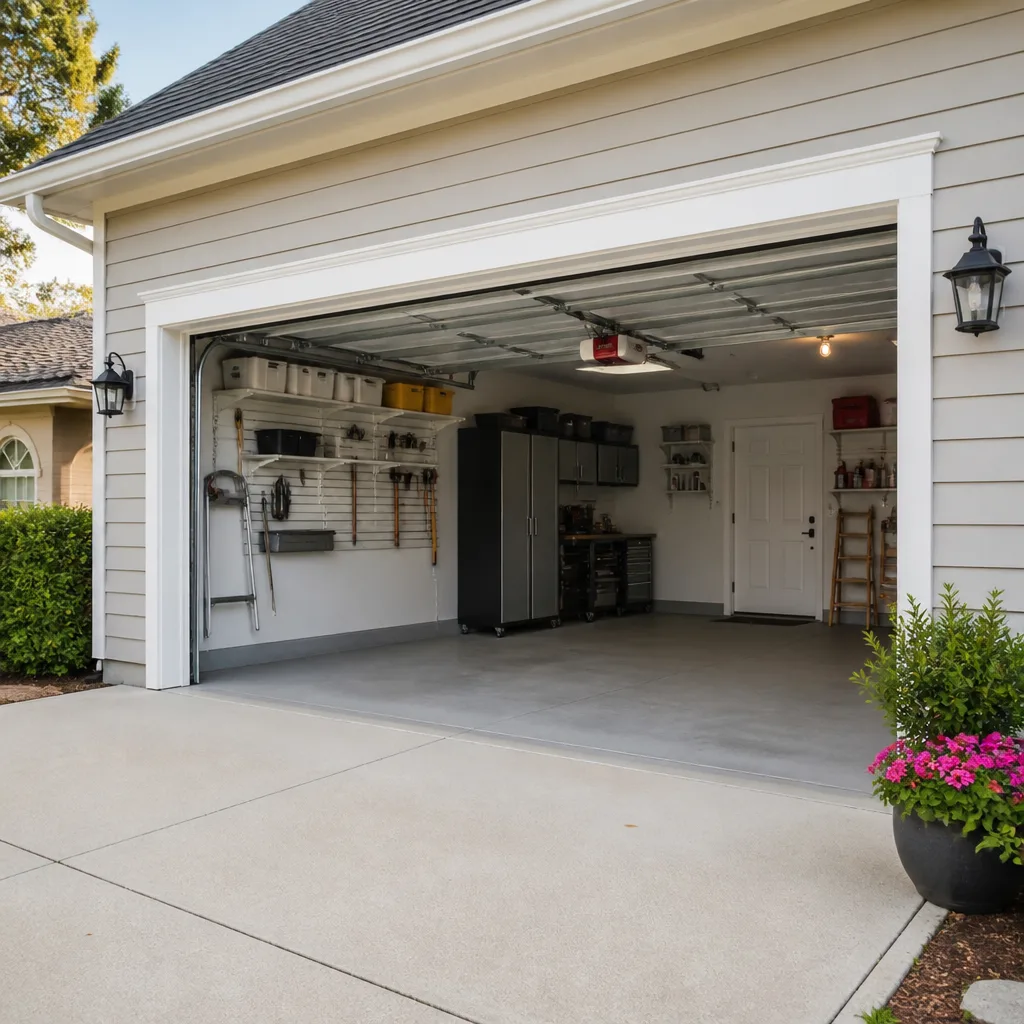 LiftMaster openers
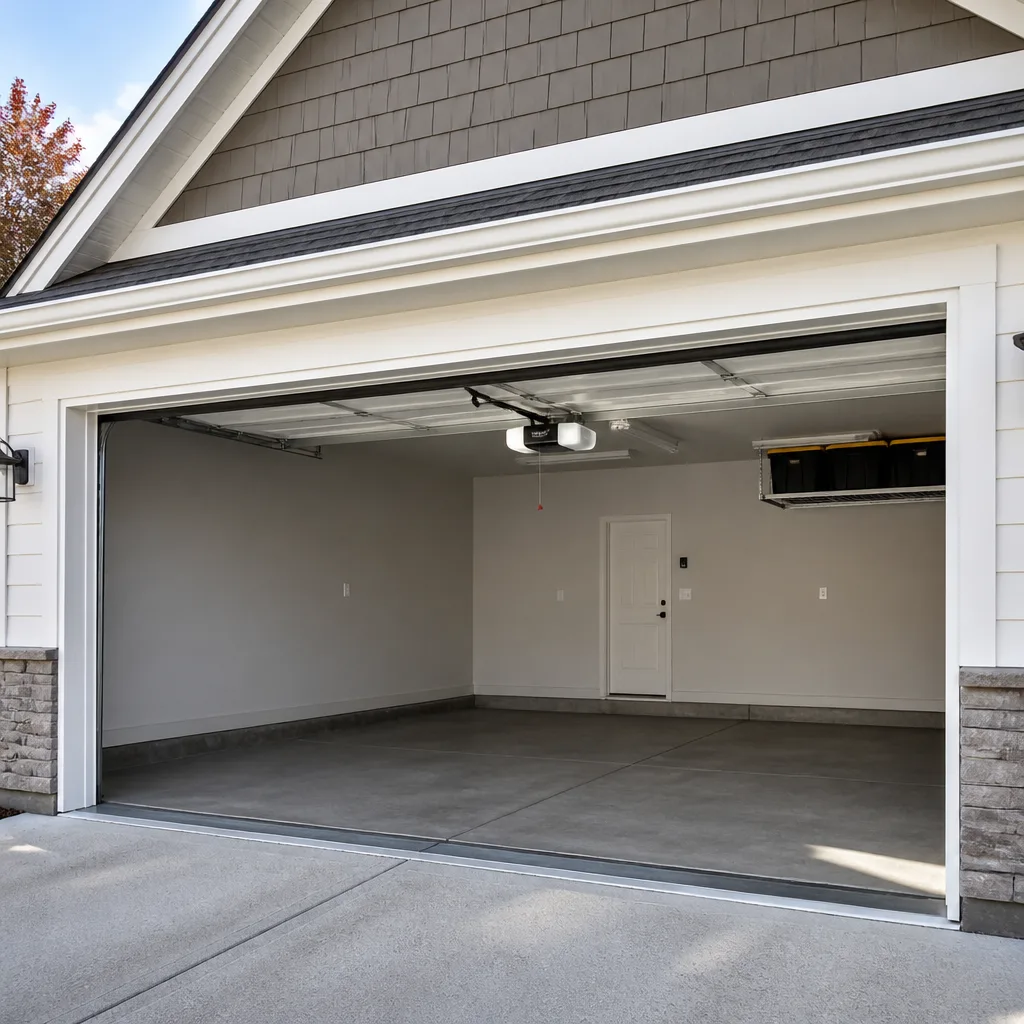 Chamberlain openers
Full 25-point door and opener safety check with every visit - springs, cables, rollers, tracks, and your LiftMaster or Chamberlain opener included
You get a price before we start. It does not change when the pro arrives.
Get your free estimateGarage Door Warning Signs: A McAllen Homeowner’s Reference Guide
A slow garage door is the most misread warning sign in the business. Most homeowners assume the opener is going weak, so they price a new motor – when the real problem is almost always a spring or a cable that’s given up some of its lift, forcing the opener to drag the door up on its own. That hidden strain shortens the motor’s life by months. Here in McAllen, where summer heat runs long and hard, those warning signs show up faster and mean more. This guide decodes what your door is telling you through sounds, movement, and wear, so you can tell a simple roller swap from a spring replacement before you’re stuck in the driveway.
Styles & brands we work with
- Raised-panel steel
- Carriage house
- Modern flush
- Full-view glass
- LiftMaster openers
- Chamberlain openers
Quick Answer
Garage door warning signs in McAllen fall into three groups: sounds (grinding, popping, rattling, squealing), movement problems (slow travel, uneven sides, stopping mid-way, not seating flush), and visible wear (stretched springs, frayed cables, cracked rollers). Grinding and popping near the springs, or a door that reverses and won’t close, need same-week service. Squeaks and dusty rollers are usually safe to monitor. Heat accelerates spring fatigue, nylon roller cracking, and sensor lens clouding in McAllen more than in cooler regions.
Table of Contents
- The Sound Decoder: What Each Noise Means
- Reading Uneven Movement as Diagnostic Data
- Visual Wear Checks You Can Do With a Flashlight
- Monitor vs. Call: Sorting Symptoms by Urgency
- How McAllen Heat Accelerates Specific Failures
- Spring and Cable Warnings: What Not to Touch
- Opener Symptoms That Aren’t the Opener’s Fault
- A Two-Minute Monthly Check for McAllen Homes
- Common Mistakes to Avoid
- When to Call a Professional
- Frequently Asked Questions
The Sound Decoder: What Each Noise Means
Your ears are the fastest diagnostic tool you own, but the meaning of a noise depends on where in the door’s travel it happens. A grinding sound at the start tells a different story than a grind at the top. Next time you open or close the door, stand back and listen for these four signals.
- Grinding, low and rough, near the top of the track. Usually the rollers binding in the curve where the vertical track meets the horizontal. Worn steel rollers with dry bearings are the common culprit. Left alone, the added drag strains the opener and speeds up wear everywhere else.
- Popping or a loud bang at the start of travel. This is the sound of a torsion spring slipping or losing tension. It’s one of the few sounds that warrants stopping use and calling for service the same week – a spring that’s popping is a spring that’s about to break.
- Rattling that grows louder as the door moves. Loose hinge bolts, a slack chain on a chain-drive opener, or a door panel that’s worked loose from its stiles. Rattling is usually the cheapest of these to fix, and the most likely to get worse if ignored.
- High squealing or a whistling screech. Metal-on-metal friction at the rollers, hinges, or the opener’s rail. In McAllen, dust and dry air strip lubricant faster, so squeals show up sooner here than in humid climates. A cleaning and proper garage-door lubricant often quiets it.
If you can’t tell which sound you’re hearing, note when it happens on the way up versus the way down and mention that to your technician. The timing alone narrows the diagnosis by half.
Reading Uneven Movement as Diagnostic Data
Movement patterns are the door’s second language. When one side of the door rises faster than the other, when the door stops partway, or when it won’t sit flush at the bottom, you’re watching a system compensate for something. Here’s what each pattern generally points to.
- One side faster than the other. A stretched or broken spring on one side of a two-spring system, a cable that’s jumped its drum, or a bent track. A door running crooked puts weight on the opener and can bind and reverse.
- Stops mid-travel and reverses. Often a safety sensor issue: misaligned lenses, a lens clouded by dust, or sunlight hitting the receiving eye. If the reversal only happens at certain times of day, sun glare is the likely cause. If it happens every time regardless, it’s a sensor alignment or logic board problem.
- Won’t fully seat at the bottom. The door’s travel limit is off, or a roller is riding out of the track. A gap at the bottom lets heat, dust, and pests in, and it’s an easy thing to correct during a service call.
- Sluggish on the way up, fine on the way down. As the opening hook notes, this is usually a spring or cable issue forcing the opener to work harder than it should. Buying a new opener without fixing the spring just wears out the new motor faster.
- Jerky, stuttering travel. Dry rollers, loose hardware, or a failing opener gear. A technician can tell the difference in under a minute by hand-cycling the door with the opener disconnected.
If you notice any of these patterns repeating, note the exact point in the travel where it happens. That’s the single most useful detail you can give a technician, and it can save a diagnostic step on the visit. Our garage door repair team works on every major door system, so we can match the fix to what your door actually needs rather than to a single brand.
Visual Wear Checks You Can Do With a Flashlight
You don’t need tools to spot the most common wear points – just a flashlight and two minutes standing in front of the door. These checks are safe to perform from the floor. Do not touch the springs or cables themselves.
- Springs. A torsion spring runs along the shaft above the door; extension springs run alongside the horizontal tracks. Look for a visible gap in the coil, a sag, or a stretched coil spacing wider than the rest. Any of these means the spring is near the end of its life.
- Cables. The steel cables running down each side should sit taut and even. Fraying, kinks, or slack on one side mean the cable has jumped or is about to fail. This is a stop-use condition.
- Rollers. On a closed door, check the rollers inside the track. Nylon rollers should look smooth and round; cracked, flat-spotted, or chipped rollers are done. Steel rollers that are dry, rusty, or loose in their bearings need attention.
- Hinges and hardware. Look for loose bolts, missing screws, or rust blooming at the hinge plates. Rust on the hardware in McAllen usually comes from dust and heat cycling rather than moisture, and it’s an early sign the door needs a full lubrication pass.
- Weather seal and bottom threshold. A cracked, brittle bottom seal lets hot air and dust in. If the seal has hardened and no longer flexes, it needs replacing.
- Sensor lenses. Look at the two small eyes near the floor. Clouded, dusty, or scratched lenses cause false reversals. Wipe them gently and see if the problem clears.
If you find a frayed cable, a gap in a spring coil, or a door hanging crooked, stop using the door and call for service. Everything else on this list is generally safe to monitor for a few days and schedule.
Monitor vs. Call: Sorting Symptoms by Urgency
Not every warning sign needs the same response. Some are safe to watch for a week or two while you arrange service. Others need a call this week, because the failure mode is sudden and the damage tends to expand. Here’s how to sort them.
- Safe to monitor: light squeaking that responds to lubrication, dusty sensor lenses, a slightly rattly hinge, or a bottom seal that’s starting to show age. These are maintenance items and don’t usually lead to a sudden structural failure.
- Schedule within the week: popping near the springs, a spring with a visible gap, a door that reverses intermittently, uneven travel, or slow opening with the opener straining. Any of these can progress to a full failure, and the fix gets more involved when it does.
- Stop using and call: a snapped spring, a frayed or slack cable, a door hanging visibly crooked, a door that won’t stay up when cycled by hand, or any loud bang that came with the door dropping. These are safety conditions. Do not run the door, and do not attempt a fix.
If you’re uncertain which category a symptom falls into, it’s worth a call to sort it out. Our phone line is answered continuously – call (866) 285-4210 and we’ll help you place the symptom. We answer 24/7. Fast dispatch from 7am to 7pm, Sunday through Friday.
How McAllen Heat Accelerates Specific Failures
Heat is the biggest hidden variable in garage door wear in McAllen. A garage here can sit well above the outdoor temperature through the afternoon, and that matters because garage doors are built from materials that change with temperature: steel relaxes and fatigues, nylon hardens and cracks, lubricant evaporates or thins, and plastic lenses cloud. Three failure modes come up here far more often than in cooler parts of the country.
- Spring metal fatigue. Torsion and extension springs cycle every time the door opens or closes, and heat accelerates the metal fatigue cycle count. Springs that might last a decade in a mild climate may show wear earlier in a McAllen garage that regularly runs hot. That’s one reason we recommend checking spring coil evenness during the slower months, so the next spring season isn’t the one where the door fails.
- Nylon roller cracking. Nylon rollers are quieter and smoother than steel, but heat hardens the material, and repeated heating and cooling cycles can cause hairline cracks that grow into flat spots and splits. Once a roller cracks, it starts skipping in the track and binding the door.
- Sensor lens clouding. Sunlight and heat degrade the plastic lenses on the safety sensors over time. A cloudy lens scatters the infrared beam and triggers false reversals, often only in late afternoon when the sun angle hits the receiving eye.
Beyond heat, McAllen’s occasional heavy rain and blowing dust leave grit in the tracks and on the rollers. Dust is abrasive. Dust plus heat is what turns a minor roller problem into a bigger repair. A quick wipe of the tracks and a proper garage-door-rated lubricant goes a long way here.
Spring and Cable Warnings: What Not to Touch
Torsion springs and cables are under enormous tension, and they’re the single most dangerous component of a garage door system. When a spring or cable fails while someone is adjusting it, the injury can be severe. This is a component to diagnose and describe, not to fix. We never recommend a homeowner adjust, remove, or attempt to replace a spring or cable, and no warning sign on this page is worth the risk of reaching for one.
What you can safely do is observe. From the floor, look for:
- A visible gap in a torsion spring coil, or a coil that sags unevenly.
- An extension spring that’s stretched and no longer even with its partner.
- A cable that’s frayed, kinked, or visibly slack on one side.
- A door that hangs crooked or won’t stay open at the halfway point when cycled by hand.
If you see any of these, stop running the door and call for service. A trained technician has the correct winding bars, knows how to relieve tension safely, and can match the replacement to your specific spring system. Our technicians have up to 12 years of experience with all major door brands, including Amarr and Wayne Dalton systems. When the door is stuck or unsafe, our garage door opener repair team can also rule out opener-related faults that mimic a spring problem.
Opener Symptoms That Aren’t the Opener’s Fault
Most “bad opener” diagnoses are really door problems in disguise. Before you replace a motor, work through this sequence to figure out what’s actually causing the symptom.
- Door opens slow but closes fine. Almost always a spring or cable issue. The opener is doing work the springs should be doing.
- Opener runs but the door doesn’t move. Check the manual release cord first. If the door is disengaged, re-engage it and try again. If the door still won’t move, the trolley or the carriage may be stripped.
- Opener stops partway then reverses. Check the safety sensors and the force limit setting. A force limit that’s too low will cause the opener to reverse on a slightly stiff door even when there’s nothing in the way.
- Opener runs but the remote only works up close. Usually a weak battery in the remote, or something interfering with the radio frequency near the opener. Try a fresh battery before assuming the logic board is bad.
- Opener won’t respond at all. Check the wall console first. A stuck lock button or a tripped wall control will lock out remotes. Then check the opener’s power indicator light and the circuit breaker.
If you’ve done these steps and the door still misbehaves, it’s worth having a specialist look at it. We work on openers from LiftMaster, Chamberlain, Genie, and Craftsman, including the newer smart and Wi-Fi-enabled models – so the fix matches the system that’s actually in your home. Our dispatchers can book you for a diagnostic and match the visit to your system. Call (866) 285-4210 and mention the door brand. We answer 24/7. Fast dispatch from 7am to 7pm, Sunday through Friday.
A Two-Minute Monthly Check for McAllen Homes
The best defense against a sudden failure is a quick inspection you do once a month, before the door gets sticky and the parts get worse. Here’s the sequence we recommend, done from the floor with a flashlight.
- Cycle the door once and listen. Note any new sound and when in the travel it happens.
- Watch the door’s movement. Look for uneven sides, hesitation, or jerky travel.
- Check the spring and cable from a distance. Look for gaps, sags, and fraying. Don’t touch.
- Look at the sensor lenses. Wipe away dust if they look cloudy.
- Look at the bottom seal and the tracks. A hardened seal or grit in the tracks is a quick fix before it becomes a bigger one.
- Test the safety reverse. Place a small object in the door’s path near the floor and confirm the door reverses when it contacts it. If it doesn’t, that needs service.
Two minutes once a month, done consistently, catches most of what turns into a mid-drive failure. It’s also the single best way to know when to call for service before the door gets expensive. If you’re in one of McAllen’s residential neighborhoods, keeping this rhythm through the hot months pays off in spring and roller life.
Common Mistakes to Avoid
- Replacing the opener when the door is the problem. If the door is slow, uneven, or heavy, the opener is usually compensating for a spring or cable issue. A new opener on a bad spring just buys you a shorter motor life.
- Ignoring a popping sound. A popping torsion spring is a spring near failure. Waiting for it to snap means you’re potentially stuck with a door that won’t open, plus a bigger repair.
- Using WD-40 on the tracks. Standard household spray isn’t a track lubricant and it attracts dust. Use a garage-door-rated lubricant on the rollers, hinges, and springs (springs are lubricated by a technician, not by you).
- Adjusting the force limit to force a sticky door closed. Raising the force limit masks the problem and defeats the safety reverse. It can also damage the motor.
- Skipping the safety reverse test. A door that fails to reverse when it contacts an object is a real hazard. Test it monthly and call for service if it doesn’t respond.
- Waiting for the door to fail completely. In McAllen, spring fatigue progresses faster in summer heat. Early warning signs are cheaper to fix than a full door-down failure.
When to Call a Professional
Call for same-week service if you hear popping near the springs, see a visible gap in a spring coil, notice a frayed or slack cable, or the door reverses intermittently or hangs crooked. Call immediately and stop using the door if a spring has snapped, a cable has broken, or the door dropped suddenly. If you’re simply unsure, it’s better to have the symptom looked at than wait for it to fail. Our phone line is answered continuously. Polaris Garage Door Repair offers free estimates in McAllen – call (866) 285-4210. We answer 24/7. Fast dispatch from 7am to 7pm, Sunday through Friday. Every job is quoted and agreed before any work starts, so there’s no surprise on the invoice.
Frequently Asked Questions
A slow or strained opening cycle is the most common warning sign in McAllen, and it’s the one most likely to be misdiagnosed as an opener problem. In almost every case, the door has a spring or cable issue that the opener is compensating for. If the door is slow on the way up but normal on the way down, have it looked at before the opener wears out. Call (866) 285-4210 for an exact quote – estimates are free.
A spring that’s about to break usually shows a visible gap in the coil, a sag or uneven spacing, or a popping sound during operation. Any of these means the spring is near the end of its life. Do not touch the spring yourself. Call a technician to inspect it safely. If you see a gap or hear a pop, stop using the door until it’s looked at.
Noise alone isn’t dangerous, but the source of the noise can be. Squealing from dry rollers or hinges is a maintenance issue. Popping at the springs, grinding near the top of travel, or a loud bang at the start of travel are warning signs of a component near failure. If a noise started suddenly and is loud, treat it as urgent. Call (866) 285-4210 for an exact quote – estimates are free.
You should test the safety reverse once a month, using a small object placed in the door’s path near the floor. In McAllen’s heat, the sensor lenses cloud faster from dust and sun exposure, so a monthly test catches sensor problems early. If the door fails to reverse, call for service. Call (866) 285-4210 for an exact quote – estimates are free.
A blinking sensor light usually means the safety sensors aren’t aligned or the path between them is blocked. Check for dust, debris, or something in the way, and wipe the lenses. If the lights still blink after that, the sensors need realignment or replacement. That’s a quick fix and doesn’t require replacing the opener. Call (866) 285-4210 for an exact quote – estimates are free.
The price you’re quoted is the price agreed before any work starts. If our technician finds something that changes the scope, we’ll explain it and confirm the updated price with you before doing anything. We don’t add charges after the fact. Call (866) 285-4210 to book a free estimate in McAllen – estimates are free.
The Bottom Line
Your garage door talks. Grinding near the top of travel, popping at the springs, rattling from loose hardware, and squealing from dry rollers each mean something specific. Uneven movement and slow opening are usually not opener problems, but springs or cables the opener is straining against. In McAllen, heat makes spring fatigue and roller cracking show up faster than in cooler regions, so the same warning signs deserve attention sooner here. Run the two-minute monthly check, sort your symptom into monitor, schedule, or stop-use, and call a technician for anything on the schedule and stop-use lists. That’s the whole system.
If something on this guide matches what your door is doing, call (866) 285-4210 for a free estimate. We answer 24/7. Fast dispatch from 7am to 7pm, Sunday through Friday. Our technicians work on whatever brand is on your door, from LiftMaster and Chamberlain openers to Clopay, Amarr, Raynor, and Wayne Dalton door systems, and we’ll quote the job and agree it with you before any work starts. For a closer look at the neighborhoods and surroundings we serve, see our page on Doolittle, and for a full view of how we work under the garage door repair McAllen umbrella, start with our main page. Find your fix fast.
Written by the team at Polaris Garage Door Repair.
See the difference
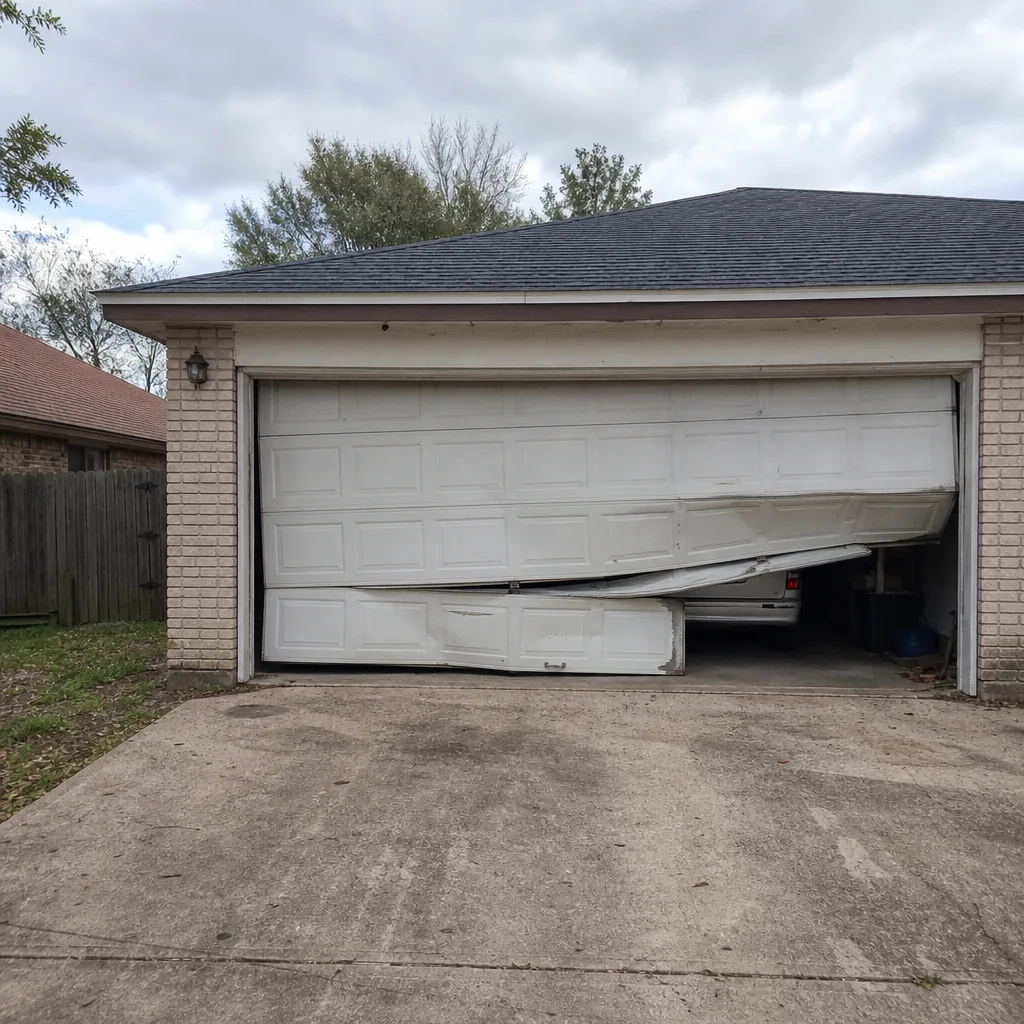 Before
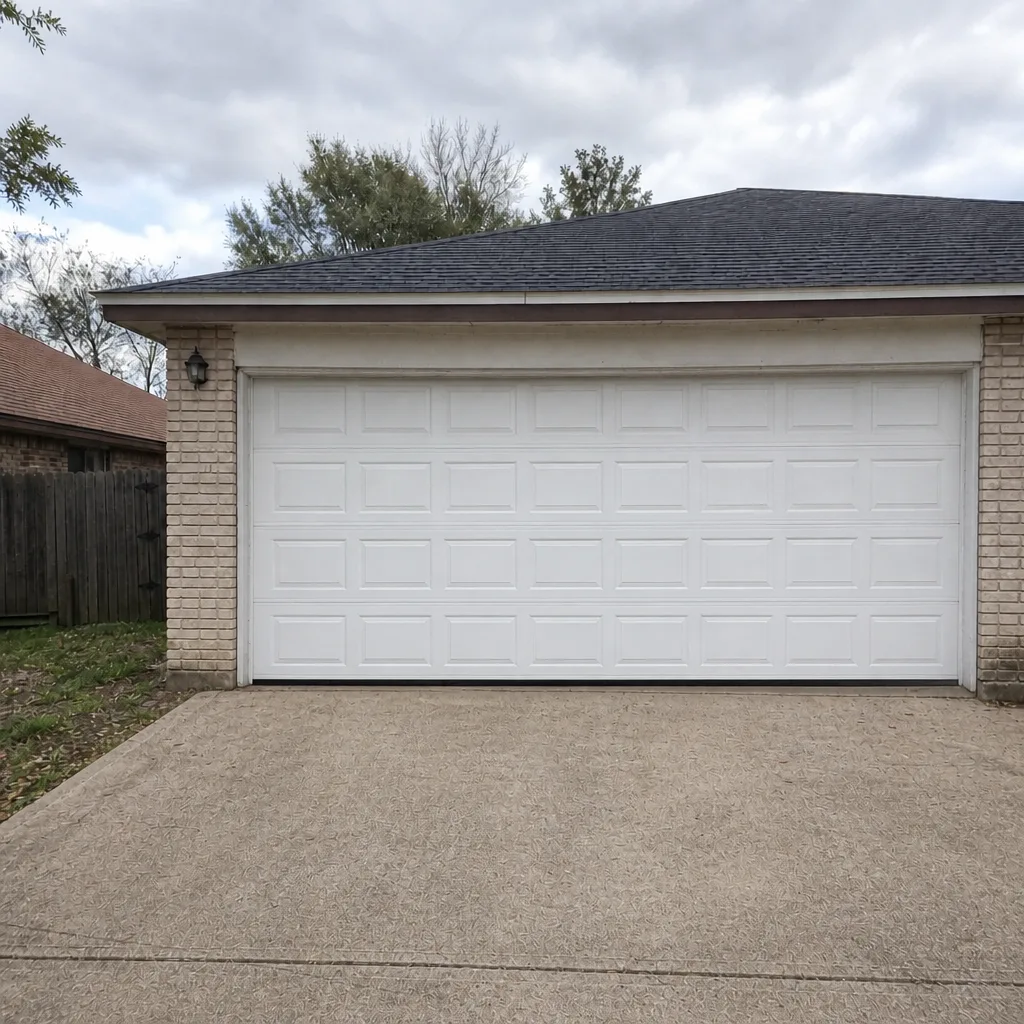 After
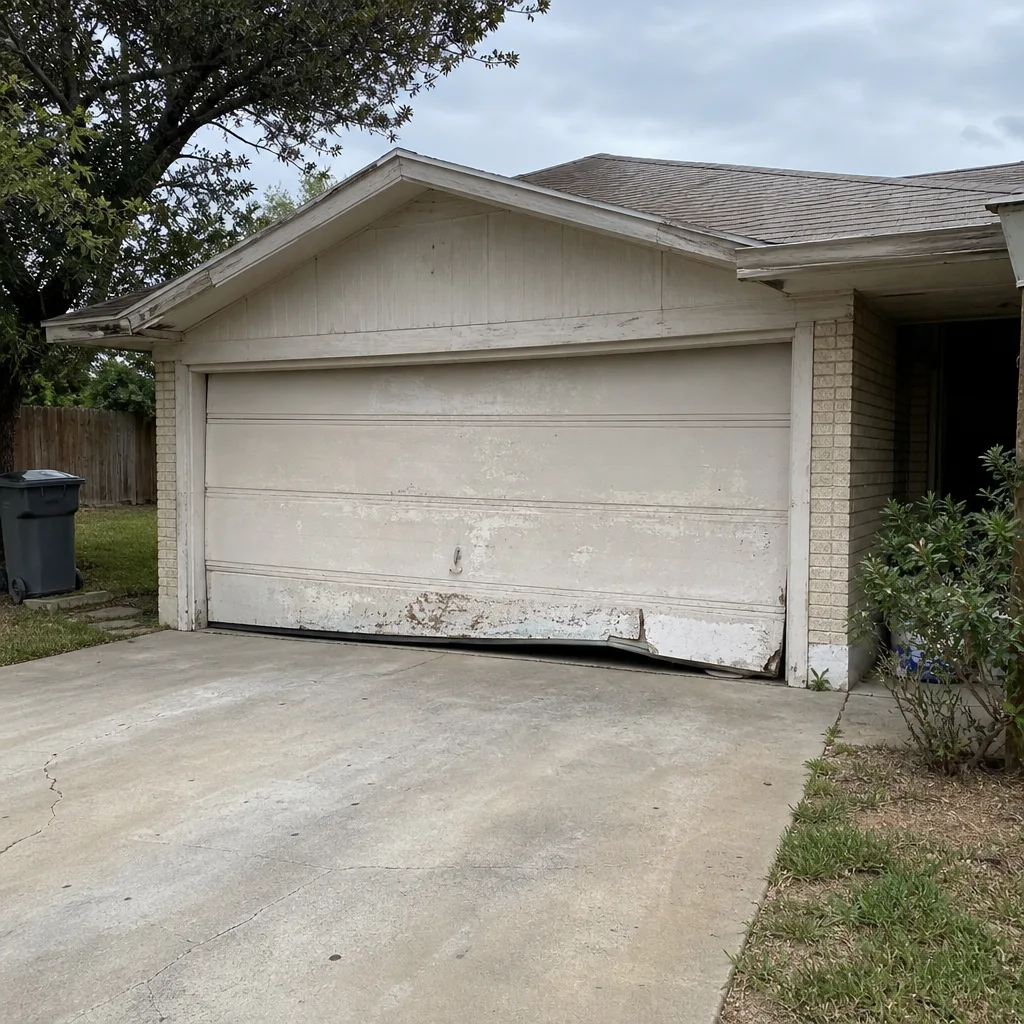 Before
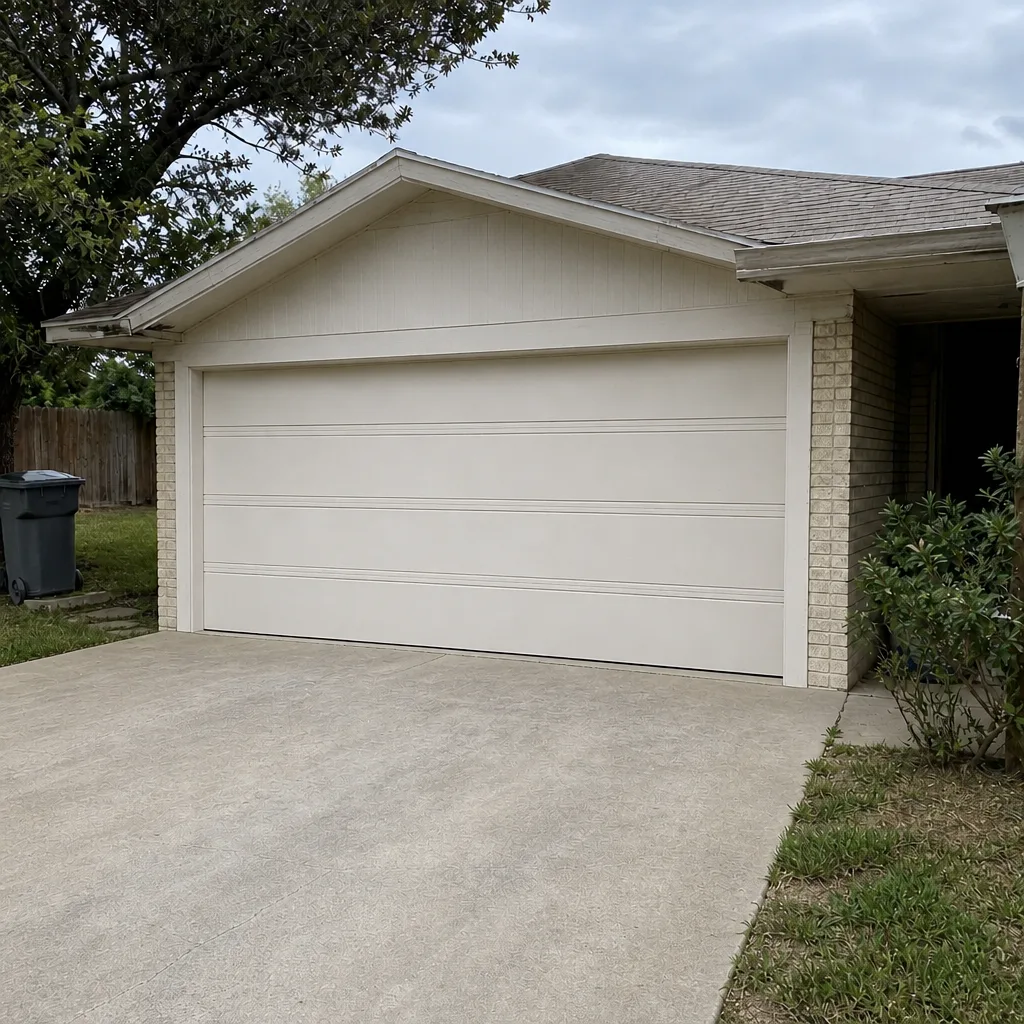 After
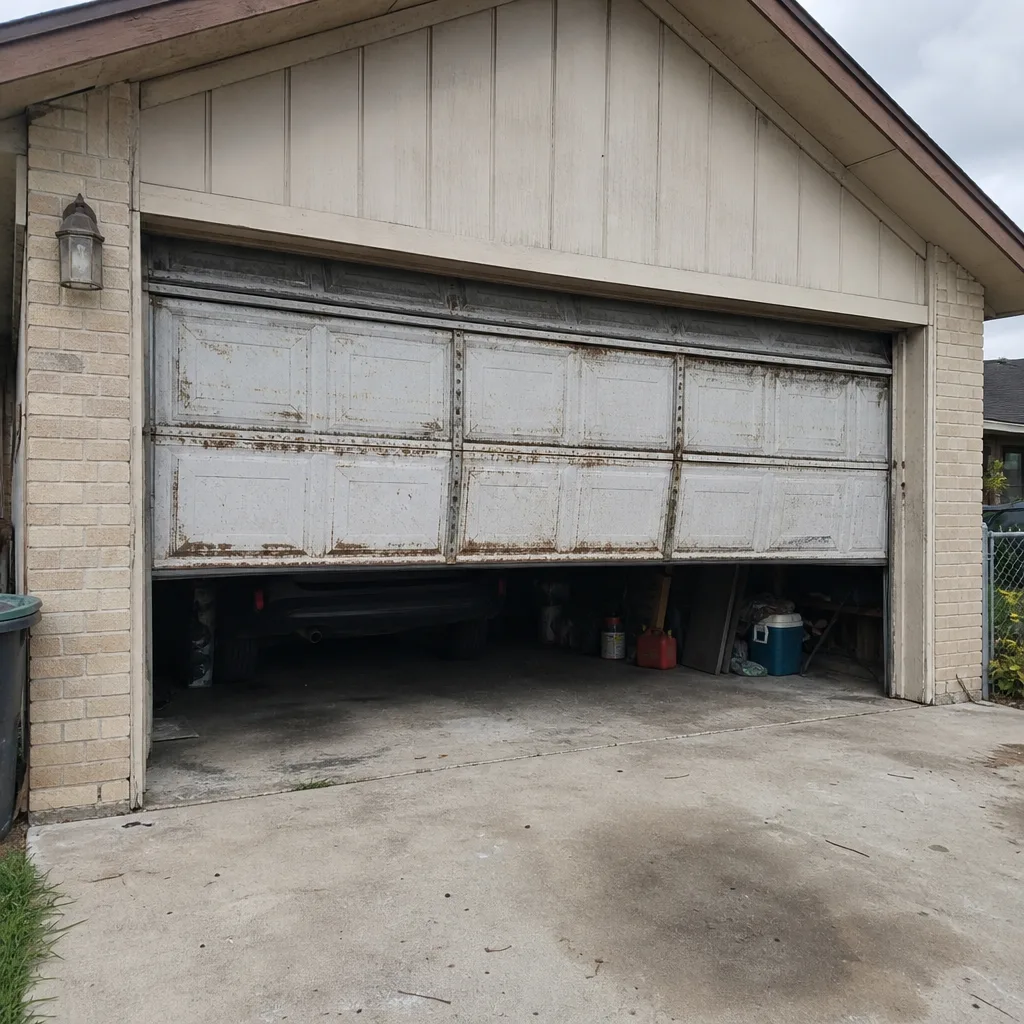 Before
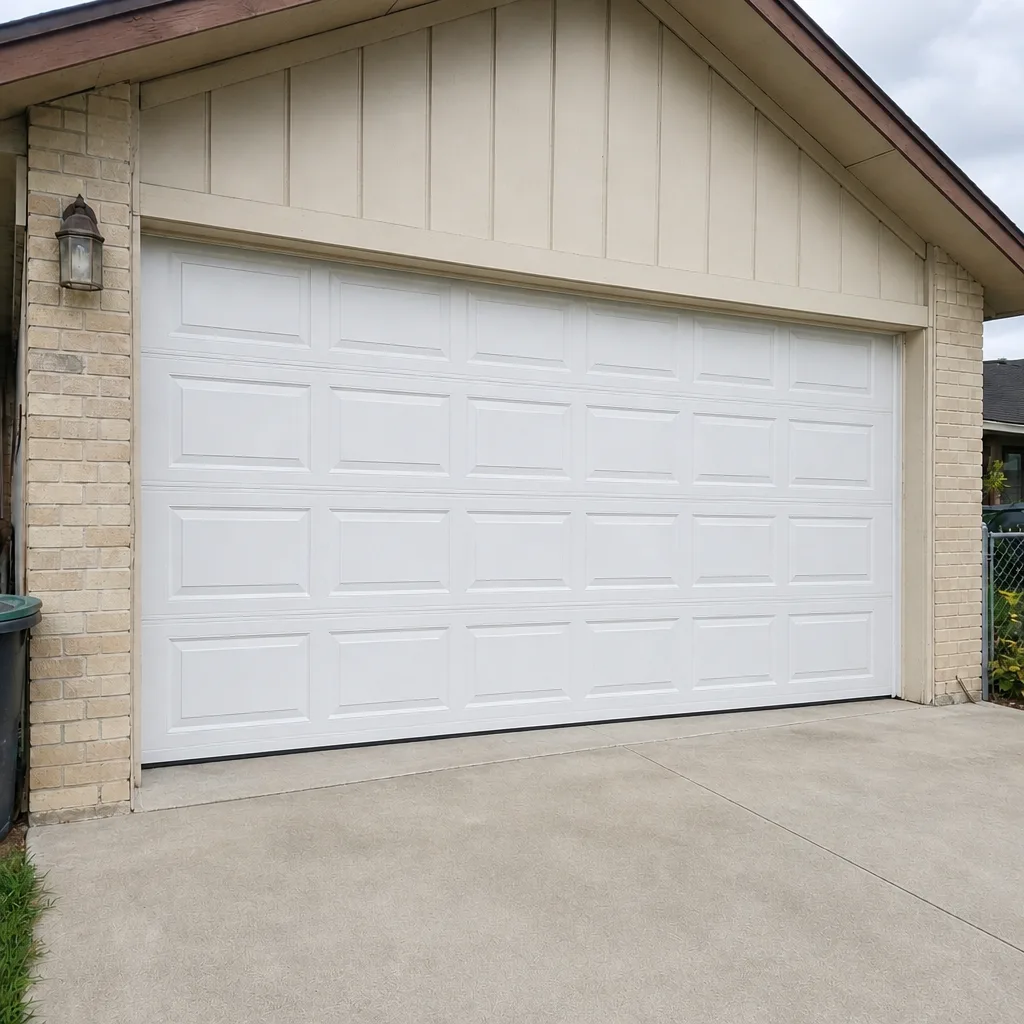 After