
Last updated November 16, 2026
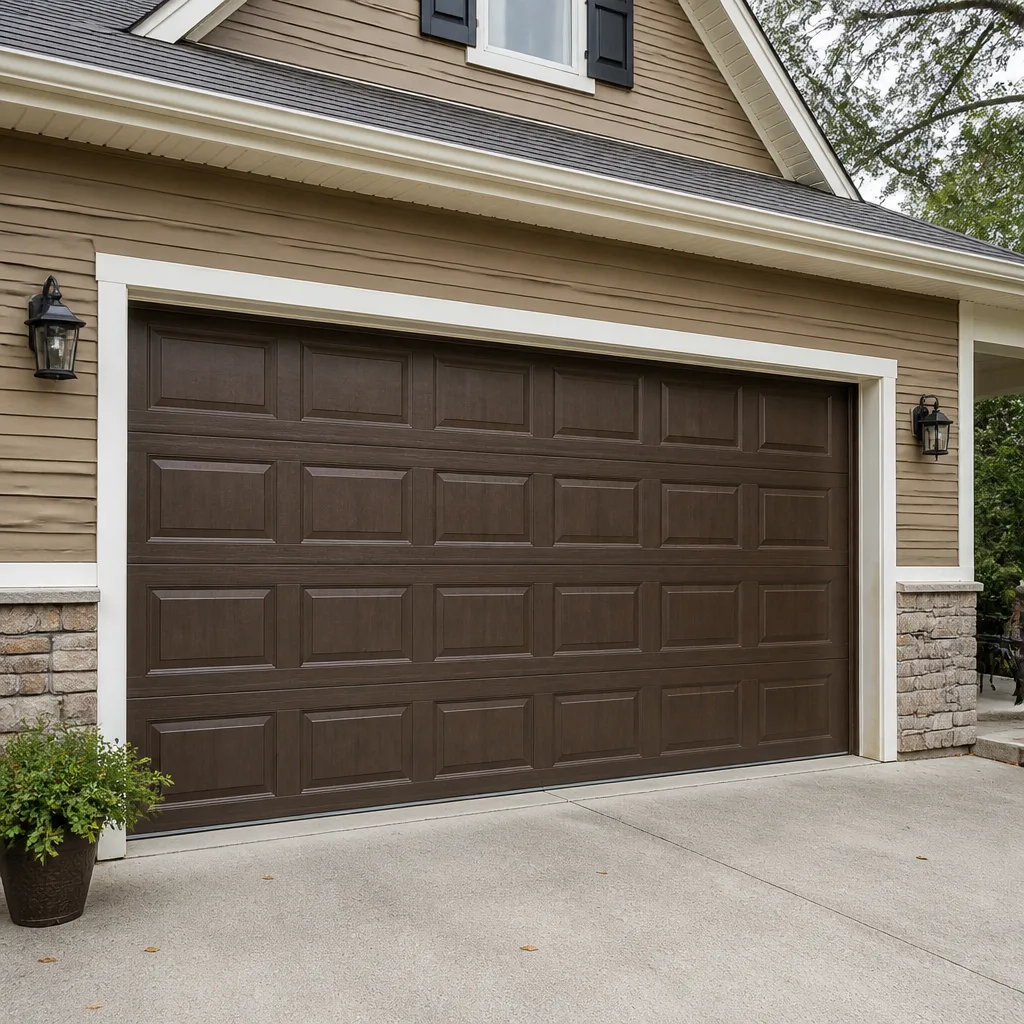 Raised-panel steel
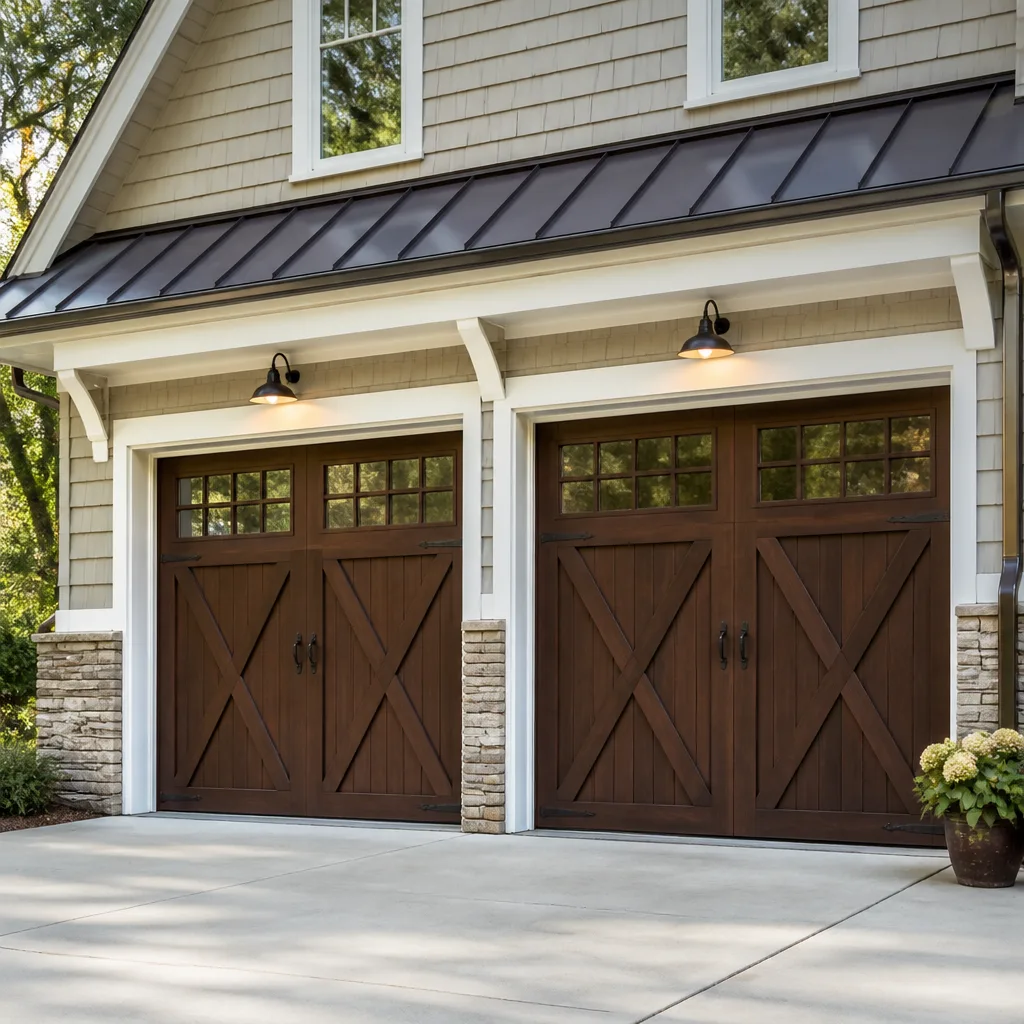 Carriage house
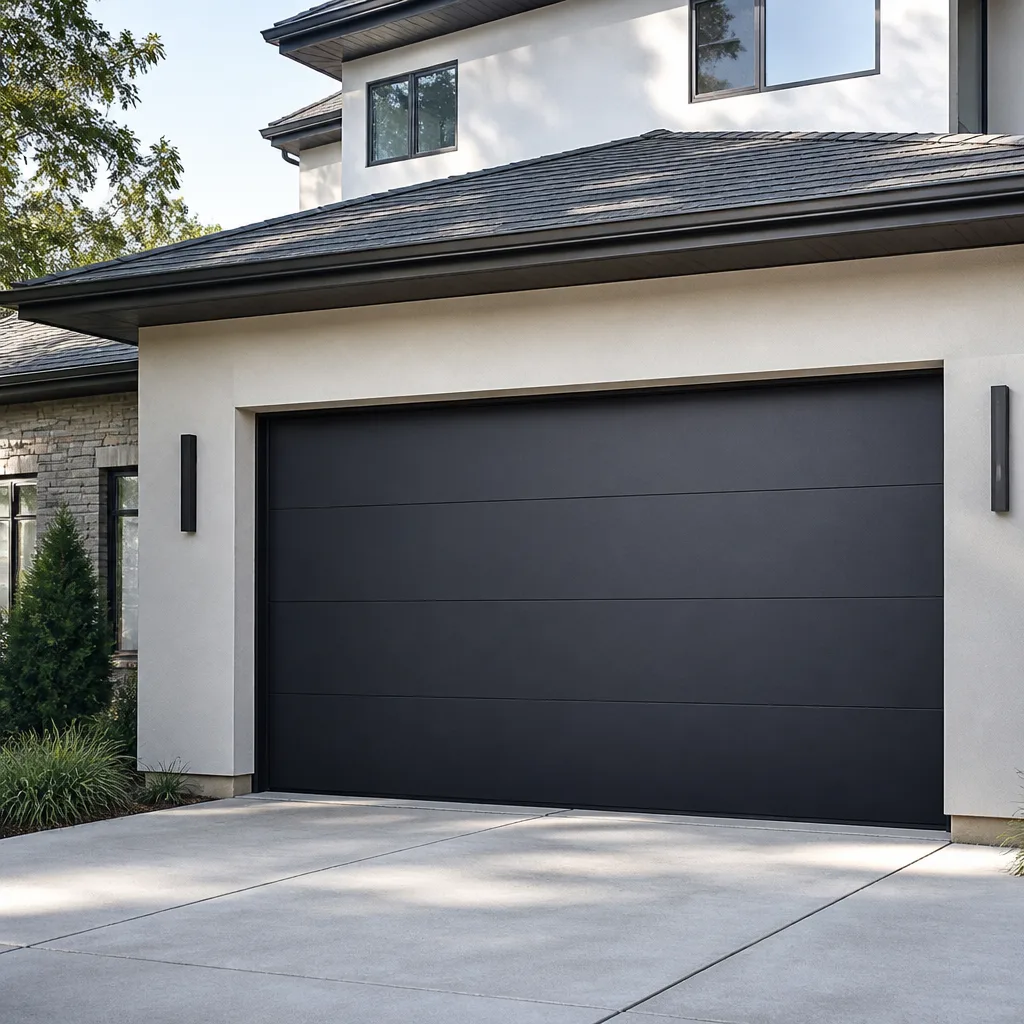 Modern flush
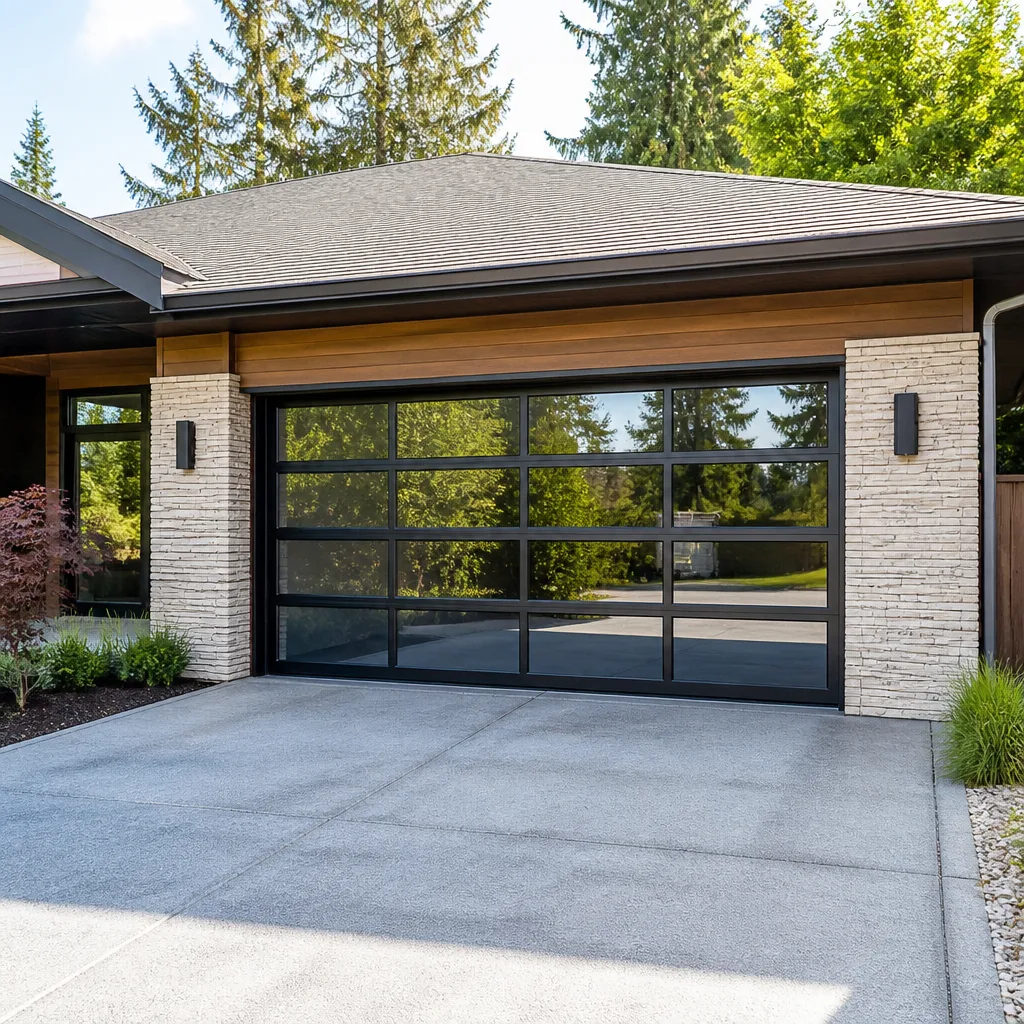 Full-view glass
 LiftMaster openers
 Chamberlain openers
Full 25-point door and opener safety check with every visit - springs, cables, rollers, tracks, and your LiftMaster or Chamberlain opener included
You get a price before we start. It does not change when the pro arrives.
Get your free estimateGarage Door Repair Maintenance Checklist for McAllen Homeowners
Lubrication sits at the top of nearly every garage door checklist you’ll find, and most of those checklists recommend the wrong product for a McAllen summer. White lithium grease sprayed on a track in June can thin out in the heat and migrate off the metal within weeks, bringing back the grinding noise the homeowner thought they’d fixed. The product wasn’t the problem. The climate was. Doors here live through heat cycles that expand and contract steel, dust that settles into every moving part, and humidity swings that work on rubber and wood differently than in drier parts of Texas. This guide is a maintenance checklist built around those conditions, with measurable pass/fail tests, a seasonal log, and the specific things that fail first in McAllen.
Quick Answer
A garage door maintenance checklist for McAllen should cover monthly visual inspection of springs, cables, rollers, hinges and weatherstripping; lubrication with a high-temperature product every two to three months during hot season; balance, auto-reverse and manual-release testing every month; and a written log so you can see parts wearing out before they break. Clean and re-lubricate quarterly, and have springs and cables inspected by a trained technician because those parts are under extreme tension and are not a homeowner repair.
Styles & brands we work with
- Raised-panel steel
- Carriage house
- Modern flush
- Full-view glass
- LiftMaster openers
- Chamberlain openers
Table of Contents
- The Monthly Visual Inspection Sequence
- Lubrication That Actually Holds Up in McAllen Heat
- How to Test Balance, Auto-Reverse, and Manual Release
- Weatherstripping in Caliche Dust and Monsoon Humidity
- Opener and Smart-Opener Maintenance
- A Seasonal Maintenance Calendar for South Texas
- The Maintenance Log Template
- When to Stop and Call a Specialist
The Monthly Visual Inspection Sequence
A proper monthly inspection is a sequence, not a glance. You walk the same path every month, in the same order, and you look for the same five things. In McAllen, those five components fail in a predictable pattern because of heat and dust, and a homeowner who checks them in a fixed order catches about 80% of developing problems before they become a mid-morning breakdown.
Do the inspection with the door closed first, then repeat with it open. You don’t need tools for most of it. A flashlight helps if the garage has no window or the sun is low.
- Springs. Look at the torsion spring above the door or the extension springs along the sides. You’re looking for gaps in the coil, rust-colored dust at the ends, or a visible split. A spring that has lost tension will look slightly stretched compared to the coils next to it. Do not touch, wind, or adjust it. Look only.
- Cables. Run your eyes along each cable from the drum to the bottom bracket. Cables should be taut, straight, and free of fraying at the ends. A cable with broken strands or a kink near a pulley is a fail and needs a technician.
- Rollers. With the door open, check each roller in its hinge. Nylon rollers should be smooth and round. Steel rollers should spin without grinding. Any roller with a flat spot, a chip, or visible wobble is on its way out.
- Hinges and brackets. Look for loose bolts, elongated holes, or rust bloom at the pivot points. A hinge that has begun to oval its mounting hole will let the door sag on one side.
- Bottom seal and perimeter weatherstripping. With the door closed, look for daylight under the seal, gaps at the sides, or torn rubber. This one matters most in McAllen because of what gets in when the seal fails.
The whole sequence takes about ten minutes. If any of the five fails, note it in the log and decide whether it’s a fix-this-month item or a call-now item. Springs and cables are always call-now.
Lubrication That Actually Holds Up in McAllen Heat
Most garage door lubrication advice comes from climates that don’t reach 100°F regularly. The product category matters more than the brand here, and in McAllen the choice comes down to what holds viscosity when the metal it’s on is sitting inside a garage that has been baking all afternoon.
What works in high heat
- Silicone-based spray lubricant. Silicone holds up well above 100°F, doesn’t attract dust the way grease does, and stays where you put it on rollers and hinges. It’s the default choice for the moving parts on a South Texas door.
- White lithium grease, applied sparingly. Lithium grease has its place on the torsion spring and on the opener rail, but a thin coat only. In McAllen summer heat a heavy application thins, migrates, and carries caliche dust into the very joints it was supposed to protect.
- Dry PTFE (Teflon) spray. A good option on tracks and hinges where you don’t want any wet film at all. It doesn’t hold dust, which matters more here than in most places.
- Garage-door-specific roller lubricant. Roller manufacturers formulate for the temperature swings a garage door actually sees. If the roller brand specifies a product, use it.
What degrades in McAllen heat
- Heavy chassis grease. Too thick for rollers in cooler months and too thin when the door heats up. It collects dust and turns into a gritty paste.
- General-purpose WD-40 as a long-term lubricant. It’s a decent light solvent and short-term penetrant, but it isn’t meant to stay as the film between a roller and its hinge. Use it to free something, then follow with silicone.
- Anything labeled “all-temperature” without a stated upper limit. If the can doesn’t tell you where the product breaks down, assume it breaks down in a McAllen garage in July.
How to lubricate correctly
- Close the door. Wipe down the torsion spring, hinges, and roller stems with a dry rag to remove dust and old product.
- Apply a thin coat of silicone or lithium to the torsion spring only. Never lubricate the cables.
- Open the door and lubricate each hinge pivot and each roller stem. A single short spray per point is enough. Over-lubrication is the most common mistake.
- Wipe the vertical and horizontal tracks with a dry cloth only. Do not lubricate the tracks themselves.
- Operate the door twice through a full cycle, then wipe away any product that has dripped or run.
Frequency matters as much as product. In McAllen, lubricate every two to three months through the hot months (roughly May through September) and every three to four months the rest of the year. If your garage faces west and takes the full afternoon sun, treat the two-to-three month interval as the year-round default.
How to Test Balance, Auto-Reverse, and Manual Release
Three functional tests separate a door that “still works” from a door that’s actually safe. Each has a measurable pass/fail criterion, and each should be done monthly. If any test fails, stop using the door until a technician has looked at it.
Balance test
- Disconnect the opener using the manual release cord (pull it straight down toward the door).
- Raise the door by hand to about halfway open (around waist height).
- Let go. Pass: the door stays where you let go with no significant drift. Fail: the door drifts down more than a few inches, or rises on its own. Either result points to a spring that has lost tension or a track and roller alignment problem.
- Lower the door fully, then re-engage the opener by pulling the release cord back toward the opener rail (most openers re-engage on the next cycle).
Auto-reverse (safety reverse) test
- Open the door fully, then close it using the wall control. While the door is closing, wave a broom handle or a stiff piece of cardboard through the path of the safety sensors about six inches off the floor. Pass: the door stops and reverses immediately. Fail: the door keeps closing or stops without reversing.
- Repeat with the physical reverse test (place a 2×4 flat on the floor in the door’s path and close the door). Pass: the door contacts the board and reverses. Fail: the door pushes down on the board or only stops.
- If either test fails, check that the safety sensors are aligned and that nothing (dust, a spider web, a leaf cart) is blocking the lens, then repeat. If the door still fails, have the opener serviced before using the door again.
Manual release test
- With the door closed and the opener disengaged, pull the release cord. Pass: the cord pulls cleanly and the door is fully free of the opener.
- Re-engage the opener and cycle the door once using the wall control. Pass: the door opens and closes normally, and the release cord has no slack or binding in the engaged position.
- A cord that is frayed, kinked, or that doesn’t re-seat is a fail.
If you ever need a technician for a failed balance test, that’s a spring or track issue and not a homeowner job. Around McAllen, the phone call is the whole fix; nobody’s spring and cable safety improves with a homeowner tightening anything on a torsion system.
Weatherstripping in Caliche Dust and Monsoon Humidity
McAllen weatherstripping wears faster than weatherstripping in most of the country because it faces two stresses at once. Caliche dust is fine, alkaline, and abrasive, and it settles into every gap a failing seal leaves open. Then the monsoon season arrives, the rubber gets wet on a regular basis, and the same dust turns into a gritty paste that wears the seal edge every time the door moves. A seal that might last several years in a dry climate often shows its first real breakdown here in a much shorter window.
What to inspect and how
- Bottom seal (astragal). Close the door on a piece of paper or a dollar bill and pull gently. If the paper slides out with no resistance at that point, the seal has a gap there. Check three or four spots across the width.
- Side and top weatherstripping. With the door closed, run a flashlight along the gap between the door edge and the frame. If you see light from inside the garage, dust will find the same gap.
- Threshold seal. Look for standing water in the garage after a monsoon storm, or a dark water line where the door meets the floor. Both mean the threshold is letting water in, and that water is what’s killing the bottom seal.
- Jamb seal and stop molding. Check for a curl or a gap where the seal meets the door face. A curled seal can drag against the door and make it look like the opener is straining.
What to do about it
Bottom seals are one of the few parts on a garage door that are genuinely a homeowner replacement on most door models, provided the door uses a slide-in or nail-on style. If the door uses a fitted or glued astragal, or if the door has a bottom bracket that holds a cable tensioner under load, do not attempt it. That bracket carries the load of the door and should only be worked on by a trained technician.
For side and top weatherstripping, a torn or curled piece survives fine through the dry months and becomes a dust channel when the monsoon starts. Replacing it early is a cheap call. Replacing it after a wet season has rusted the door edge is a much more expensive one. Material choice matters too: closed-cell foam and EPDM rubber last longer in repeated wet-and-dry cycles than vinyl, which can stiffen and crack in the sun-exposed jamb positions.
If you’ve inspected and something in the door’s structural components is off, the fastest way to figure out what’s worth fixing first is a professional look. Scheduling garage door repair early is almost always cheaper than a mid-season replacement.
Opener and Smart-Opener Maintenance
Most of the maintenance a garage door opener needs is invisible, which is exactly why homeowners skip it. The opener gets blamed when a door stops working, but the most common “the opener is broken” service call is actually a door-side problem (a bad spring or binding track) that the opener can’t overcome. A few minutes a month on the opener itself identifies what’s actually wearing out.
- Force and travel settings. Most openers have two limit dials or digital settings: force (how hard the opener pushes) and travel (how far the door opens and closes). Check the door closes fully to the floor and opens fully to the header without extra strain. If either end of the cycle has started taking longer, the opener may be fighting a door-side problem.
- Safety sensor alignment. The two small lenses at the base of the door should be aligned and free of dust, spider webs, and cobwebs. Caliche dust settles on these during the dry months and can cause intermittent “door won’t close” behavior that looks like an opener failure. Wipe the lenses monthly.
- Battery backup. Battery-backup openers have a battery that ages silently. Check the indicator light or test the opener while unplugged from power once a season. A backup that doesn’t hold is not a backup.
- Rail and chain/belt inspection. Look for a slack chain (many openers specify a quarter-inch of sag) or a frayed belt. Lubricate per the opener manufacturer’s guidance, not a generic garage door product.
- Smart/Wi-Fi functions. If the door is on a Wi-Fi opener, check that the app still reports door state correctly and that the tilt sensor (the one mounted to the door panel) is still attached and correctly oriented. A sensor that has slid out of position reports “open” when the door is closed.
Openers from LiftMaster, Chamberlain, Genie and Craftsman all share the same maintenance logic even though the parts differ. When something does go wrong with the opener side, garage door opener repair is a specialty, not a general handyman call. Most general handyman services don’t stock the brand-specific logic boards and gear kits that an opener actually needs, and the wrong part can make a good opener fail faster.
A Seasonal Maintenance Calendar for South Texas
McAllen doesn’t have the four-season cycle that most maintenance calendars assume. Here the meaningful cycle is hot, dry, and wet, layered on top of the ordinary wear of a moving door. A calendar built for that cycle catches wear earlier than one borrowed from a cooler climate.
- Late spring (April-May). Do the full monthly sequence plus a lubrication round. This is the last good window to catch something before the hot months. Replace any weatherstripping that has started to dry-crack.
- Peak heat (June-August). Lubricate every two to three months. Pay attention to rollers and springs because these see the biggest temperature swing. Check the safety-sensor lenses for caliche dust buildup more often than usual.
- Pre-monsoon (September). Check and replace bottom and side weatherstripping now if it’s questionable. A seal that survives one wet season is a seal you don’t have to replace under worst-case conditions.
- Monsoon (October, roughly). Watch for water intrusion at the threshold. Retest balance and auto-reverse more often after a heavy storm sequence. Wet rubber binds more, and if the door is starting to bind, the opener is doing more work than it should.
- Cool/dry (November-March). The stable season. Do the full inspection, lubricate on the longer interval (three to four months), and address any parts that you’ve logged as “watch” over the past year.
One more seasonal note specific to McAllen: the garage gets a lot of dust carried in from outside during the dry months, and the door track builds up faster than homeowners expect. A quick dry-wipe of both tracks once a month is one of the cheapest preventative steps available. It also makes rail grease last longer and reduces the “grinding” noise that has nothing to do with a lubrication failure.
The Maintenance Log Template
The single biggest advantage of a written log over a mental one is that you can see trends. A door that’s been “a little noisier” for three months reads as OK. A door that has been a little noisier for three months in a row, and worse each month, reads as a message. The log is what converts vague impressions into actionable timing.
You can keep this on paper, in a notes app, or on the back of the door’s manual. Whatever form it takes, it should record the same fields every month.
- Date of inspection.
- Season (hot / dry / wet / cool).
- Spring condition. Pass / watch / fail, with a one-line note (“one end of torsion spring looks slightly stretched”).
- Cable condition. Pass / watch / fail.
- Roller condition. Pass / watch / fail, with count of rollers replaced since last month.
- Weatherstripping condition. Pass / watch / fail, with any gap noted by location.
- Balance test. Pass / fail, with drift direction.
- Auto-reverse test. Pass / fail, with which test failed (photo or physical).
- Lubrication date. What product, where applied.
- Door noise level. A simple three-level scale (normal / louder / much louder) works.
- Action items. What you’re going to do about each watch or fail item.
After three or four months, the log will tell you which components are actually failing in your specific garage. Two doors on the same street can have very different wear patterns depending on sun exposure, how often the door cycles, and whether the garage is insulated. In McAllen, sun exposure alone can shift the timing of a door’s first roller failure by a year or more.
When to Stop and Call a Specialist
Some garage door work is genuine homeowner maintenance. Lubrication, weatherstripping, sensor cleaning, and visual inspection all fit. Others aren’t, and knowing which is which protects you and your door.
Safety-critical, stop now
- Springs. Torsion and extension springs are under extreme tension and can cause serious injury if they fail during handling. Do not attempt to wind, adjust, or replace them yourself. If you find a broken spring or a spring that has lost obvious tension, stop using the door and call a technician.
- Cables, drums, and bottom brackets. These components carry the load of the door frame and see the same forces as the springs. Leave them to a trained technician.
- Track alignment. A bent or misaligned track can cause the door to drop. If your balance test failed and you can see the track is not vertically straight, this is not a homeowner fix.
- Anything that smells like electrical work. The opener’s logic board, wiring, and transformer are inside the wall control box. If you’re not sure what you’re looking at, you’re not supposed to be looking at it.
Frustrating but callable
- The opener reverses for no apparent reason and the safety sensors appear aligned.
- The door slams at the bottom or won’t close fully, and adjusting the force or travel setting doesn’t fix it.
- A smart-opener app reports the door in the wrong state after the tilt sensor has been checked and repositioned.
- The door has started making a new sound that shows up on the log three months running.
Polaris Garage Door Repair offers free estimates in McAllen, and our technicians have up to 12 years of experience across the major brands you’re likely to have on the door, including Clopay, Amarr, Wayne Dalton, and Craftsman systems. Call (866) 285-4210 to schedule an inspection or get a written estimate before a small maintenance item becomes a repair bill.
See the difference
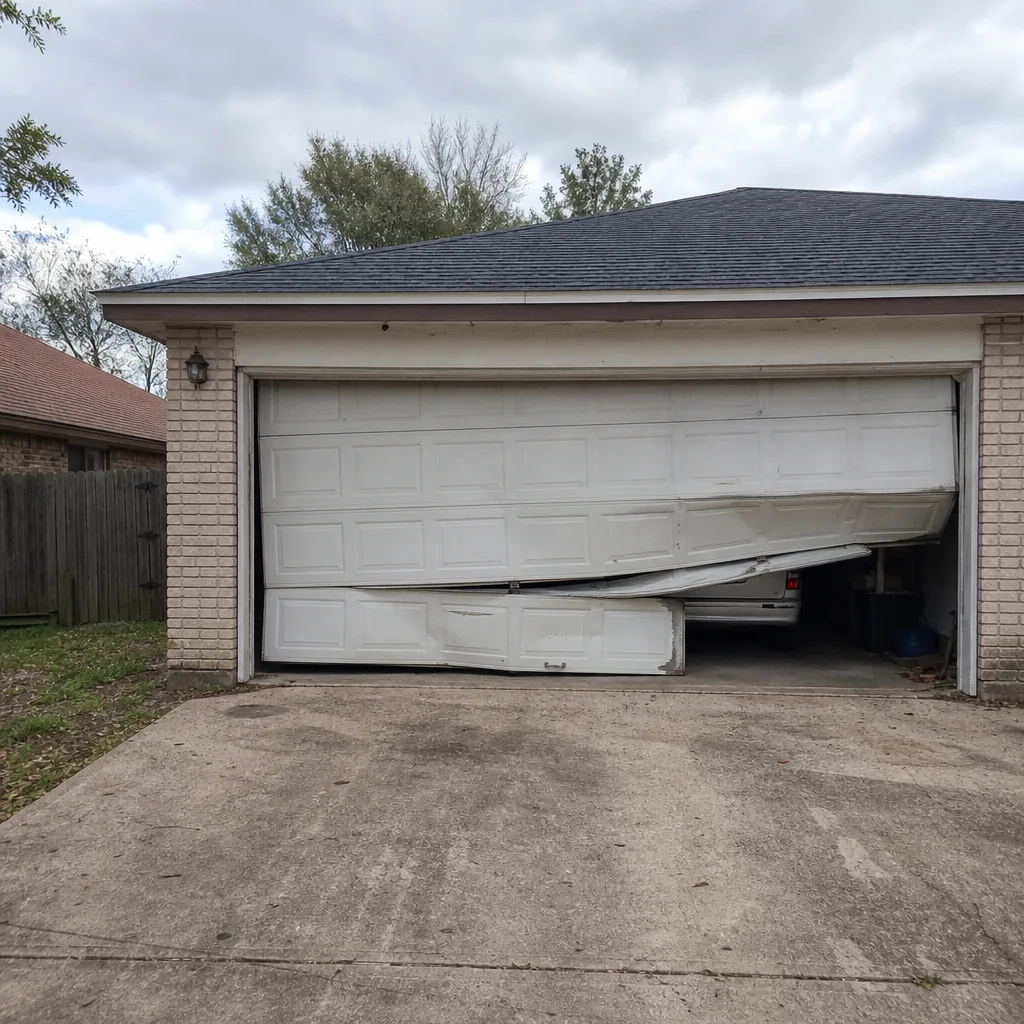 Before
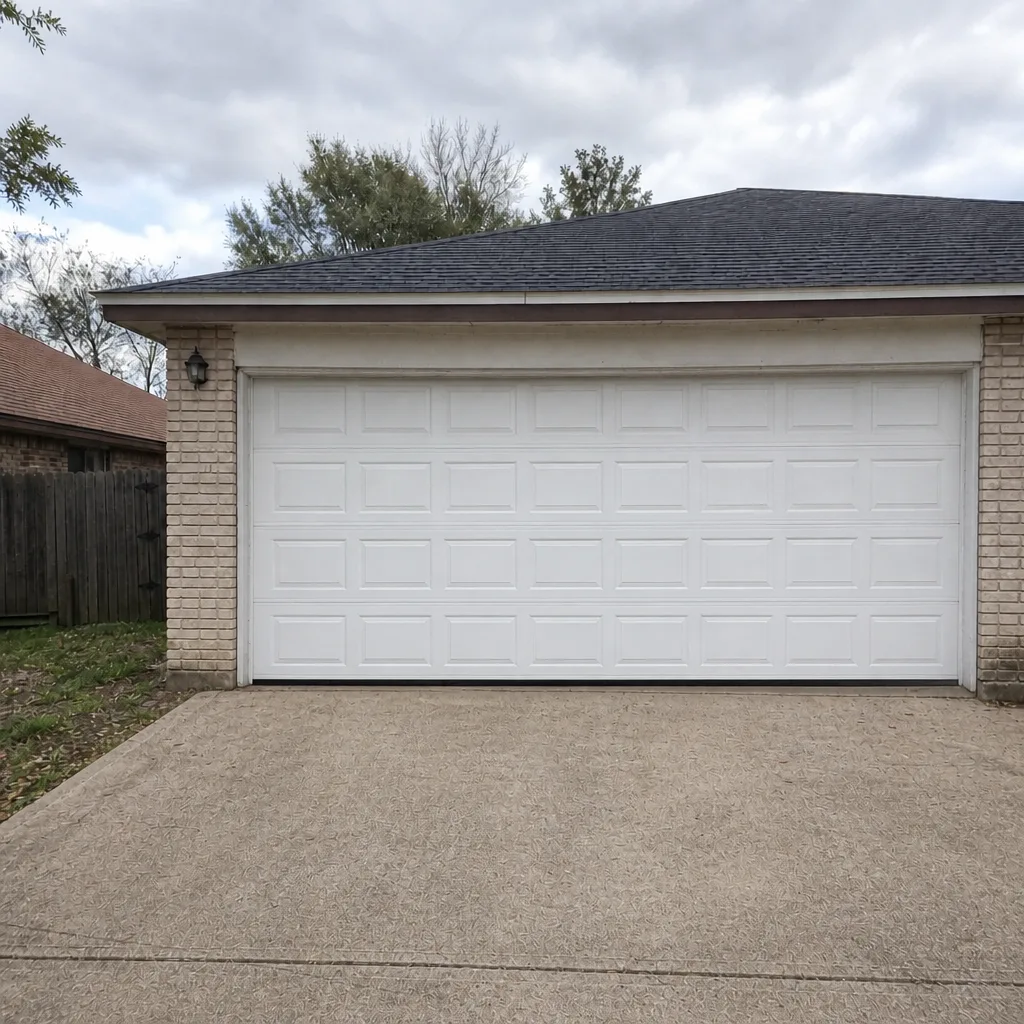 After
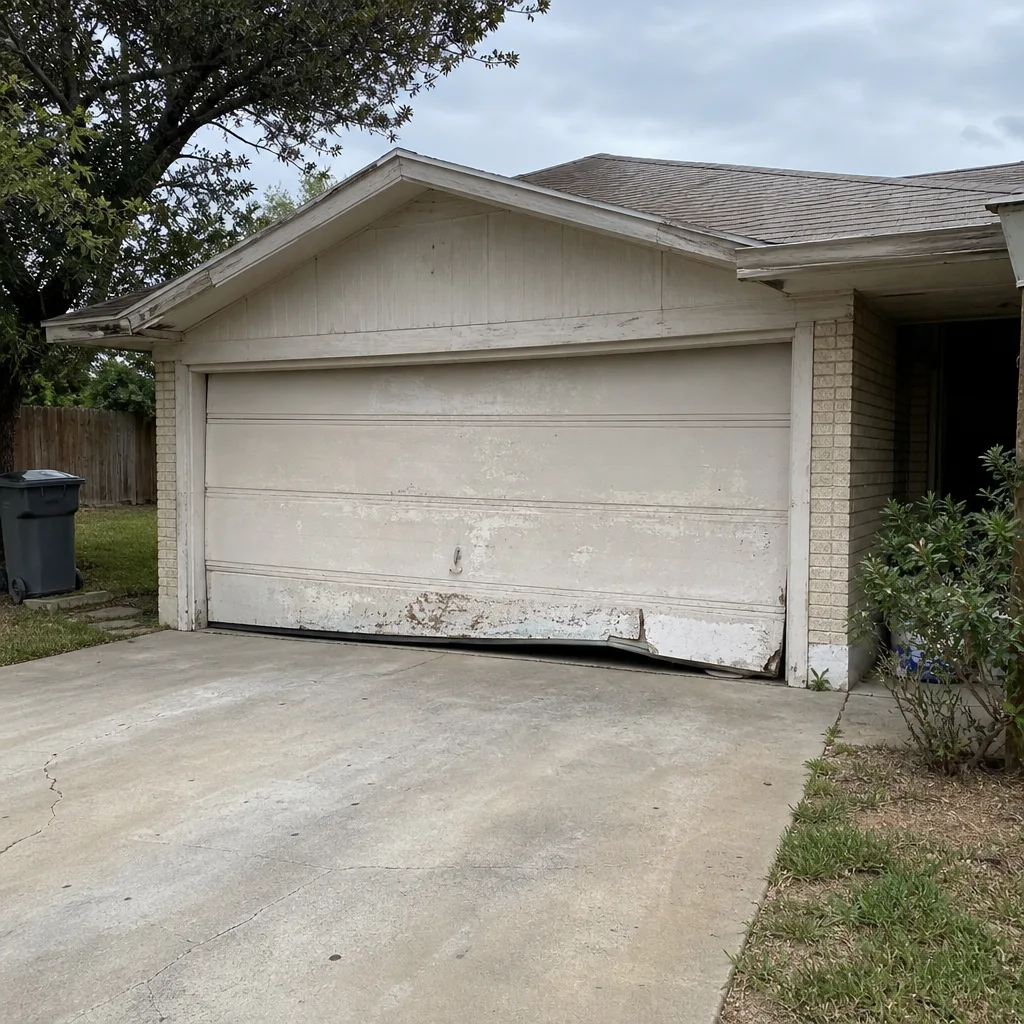 Before
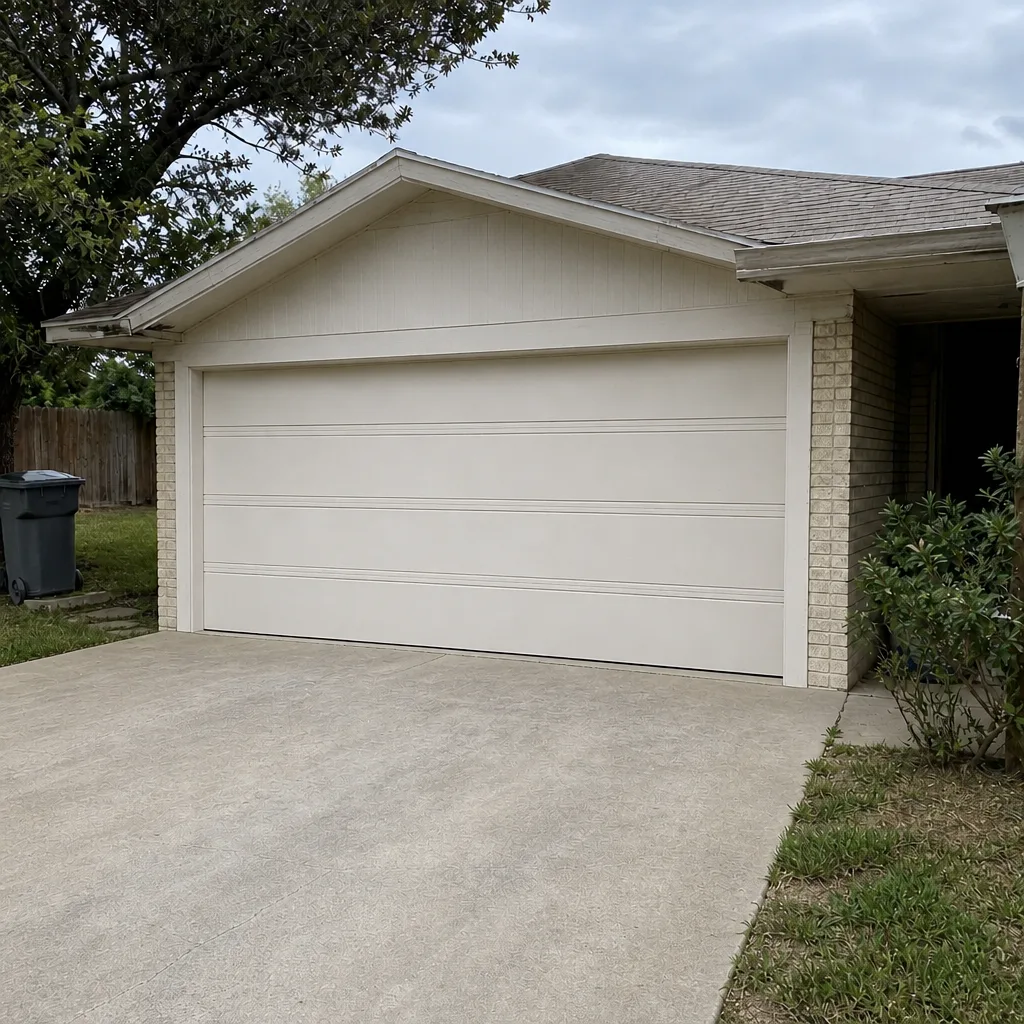 After
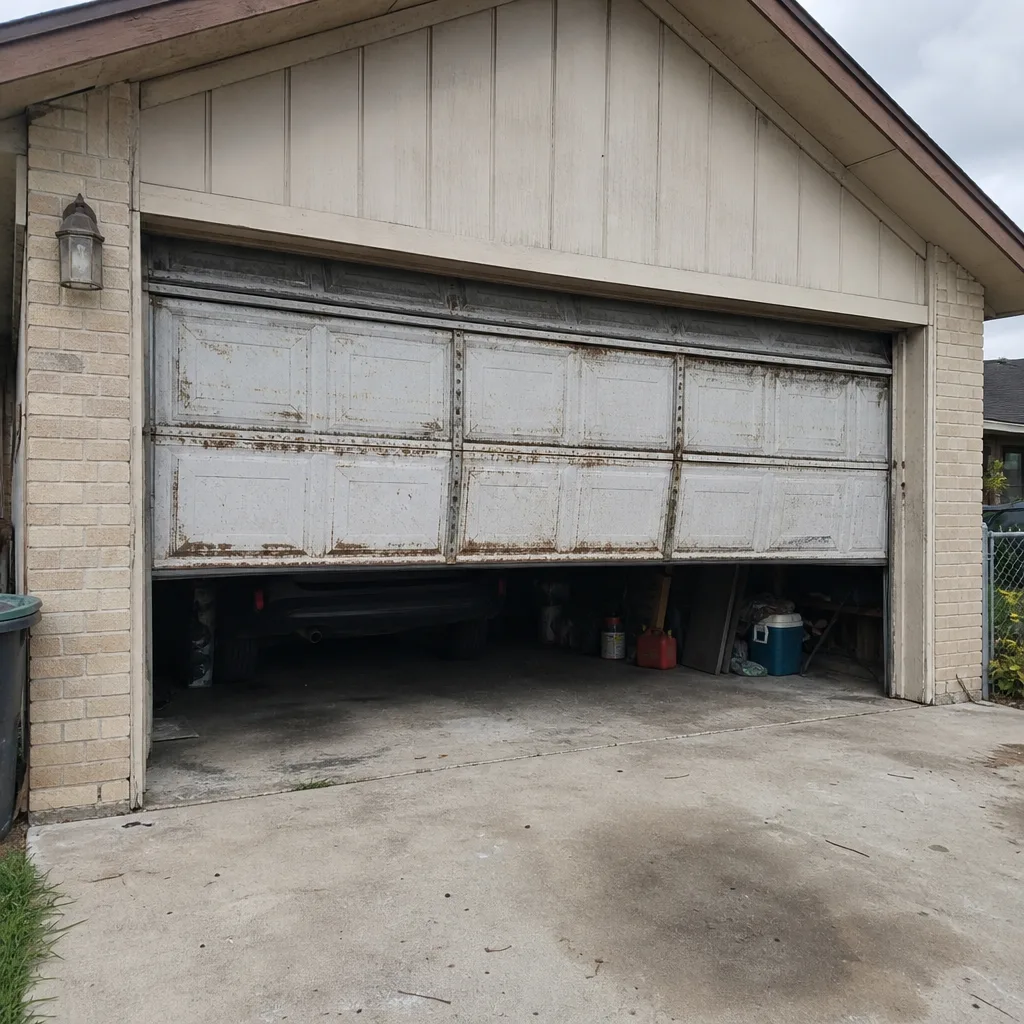 Before
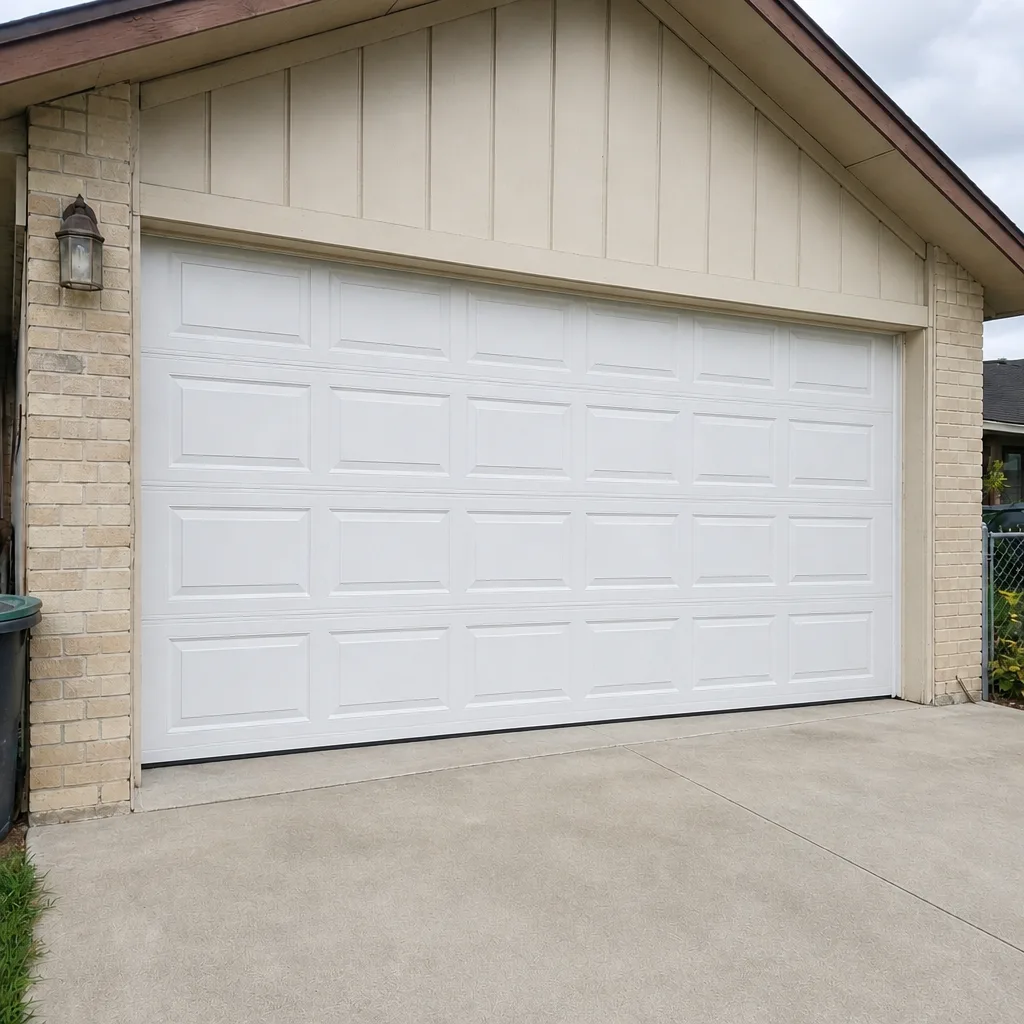 After
Common Mistakes to Avoid
- Using the wrong lubricant. A generic grease that thins in McAllen heat does more harm than good because it attracts dust and migrates off the moving parts. Use only a high-heat product and apply it thin.
- Lubricating the tracks. Tracks should be cleaned and left dry. Lubricant on the track collects the caliche dust that’s already in the air and turns it into a grinding compound.
- Lubricating the cables. Cables should be inspected, not lubricated. Lubricant hides the fraying you’re trying to catch and can let the cable slip at the drum.
- Skipping the monthly auto-reverse test. The safety reverse is the one functional system a homeowner can measure every month to know whether the door is actually safe. “It works” is not a test. The two specific tests in this guide are.
- Adjusting springs or cables by hand. This one is an injury risk, not just a repair risk. Springs and cables are not homeowner work on any garage door, and no amount of online videos changes that.
- Ignoring bottom-seal gaps in the dry season. By the time the monsoon arrives, the dust that got in has already turned into abrasive paste, and the door edge starts to rust or corrode. Replace the seal before the wet season, not after.
- Keeping maintenance to memory. A log entry is easier to ignore than a failed test. The written log is what turns a monthly inspection into information you can act on across seasons.
Frequently Asked Questions
Inspect it monthly, lubricate it every two to three months through the hot season, and have a professional look at springs and cables at least once a year. The heat and dust in McAllen mean the door is doing more work than a door in a milder climate, so the intervals are a bit tighter than what a national checklist will tell you. Call (866) 285-4210 for a free estimate on a professional inspection.
A silicone-based spray or a dry PTFE lubricant, applied thin, on the rollers, hinges, and torsion spring only. White lithium grease works on the torsion spring and opener rail in a very thin coat, but it thins in McAllen summer heat and should not be over-applied. Heavy chassis grease and generic “all-temperature” products should not be used. Call (866) 285-4210 if you’re not sure which parts to lubricate.
No. Garage door springs are under extreme tension and can cause serious injury if handled incorrectly. This is the one part of a garage door that should always go to a trained technician, and it doesn’t matter what brand of door or spring you have. Call (866) 285-4210 for a free estimate on spring repair or replacement.
Grinding almost always comes from the rollers, hinges, or the opener rail. In McAllen, the most common cause is dust collected in hinges and roller stems combined with a lubricant that has migrated off. Re-lubricate with a silicone product after a dry-wipe, and if the noise persists after that, have a technician check the opener rail and rollers. Call (866) 285-4210 for a free estimate.
If you can see daylight between the door and the frame with the door closed, or if a piece of paper slides out easily when the door is closed on it, the seal has a gap. In McAllen, replace bottom and side seals before the wet season, because a seal that lets dust through in the dry months will let water through in the monsoon. Call (866) 285-4210 if you want an inspection and a written estimate.
Yes. We service LiftMaster, Chamberlain, Genie, Clopay, Amarr, Wayne Dalton, Craftsman, and Raynor systems, which means the parts and diagnosis match the brand on your door rather than a generic fit. Our technicians have up to 12 years of experience across these brands. Call (866) 285-4210 to schedule a free estimate.
The Bottom Line
Maintenance that ignores climate is a plan built for somewhere else. In McAllen, that means a checklist built around high heat, caliche dust, and monsoon humidity: the right lubricant for the temperature, monthly visual inspection of the five parts that fail first, measurable pass/fail tests for balance, auto-reverse, and manual release, and weatherstripping replaced before the wet season rather than after. Keep a written log so you see wear as a trend instead of a surprise. Stop short of springs and cables and let a specialist handle anything load-bearing. Do that, and most of the repair bills a garage door generates can be avoided by catching the part three months before it fails.
If you’d rather have a professional walk the door once and tell you what’s next, Polaris Garage Door Repair offers free estimates in McAllen. Call (866) 285-4210. We answer 24/7. Fast dispatch from 7am to 7pm, Sunday through Friday. Our technicians have up to 12 years of experience, and we work on your brand, whichever of the major systems is on your door.
For readers just outside the metro, our team also handles garage door repair requests and the same opener work in Doolittle, and you can reach the main team on the Polaris Garage Door Repair page if you need to start from the beginning.
Written by the team at Polaris Garage Door Repair.