
Last updated November 16, 2026
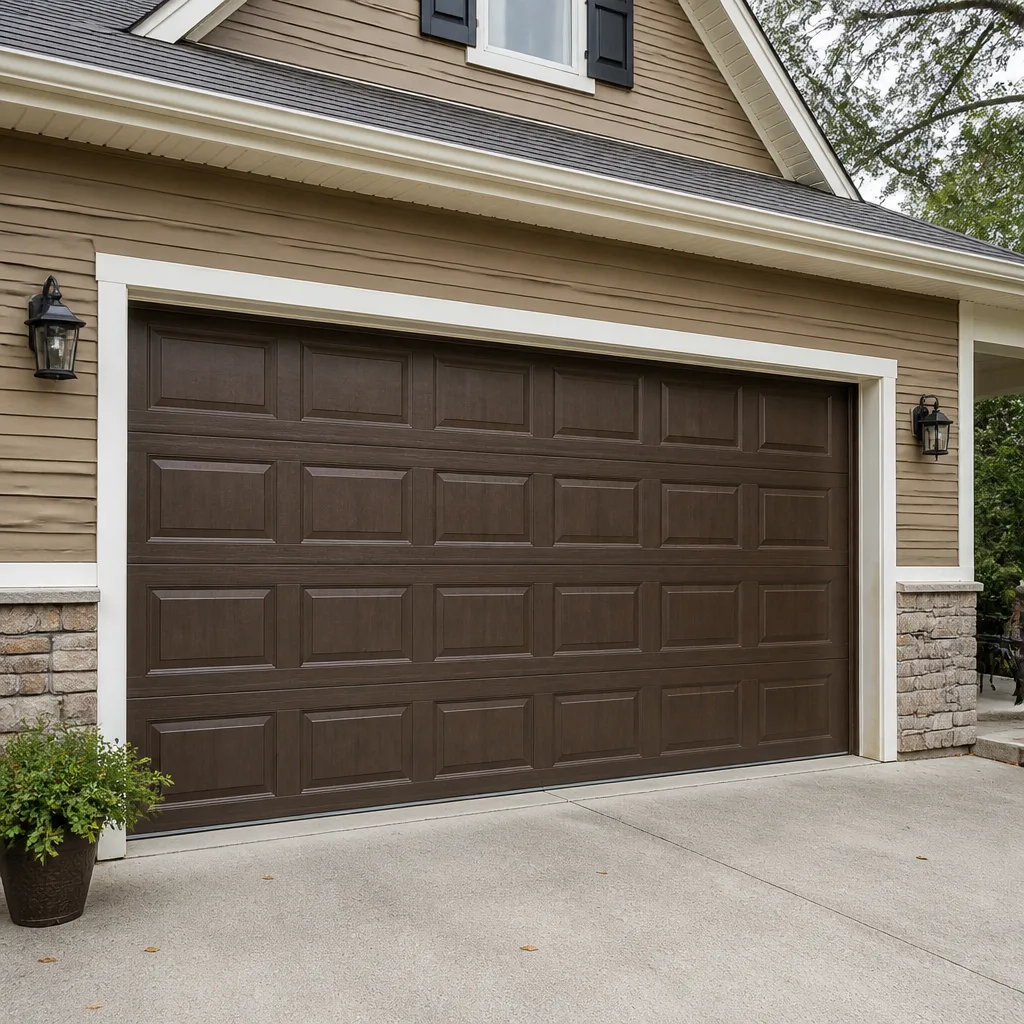 Raised-panel steel
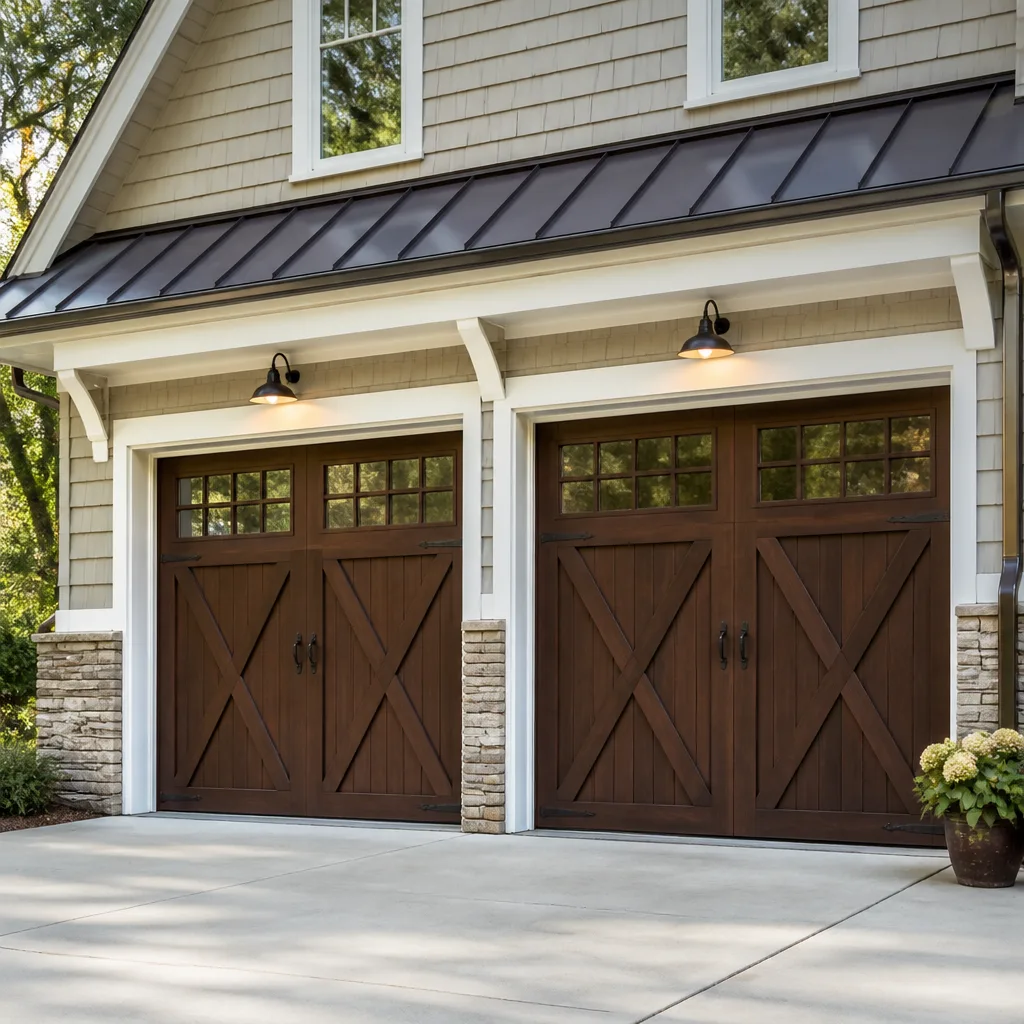 Carriage house
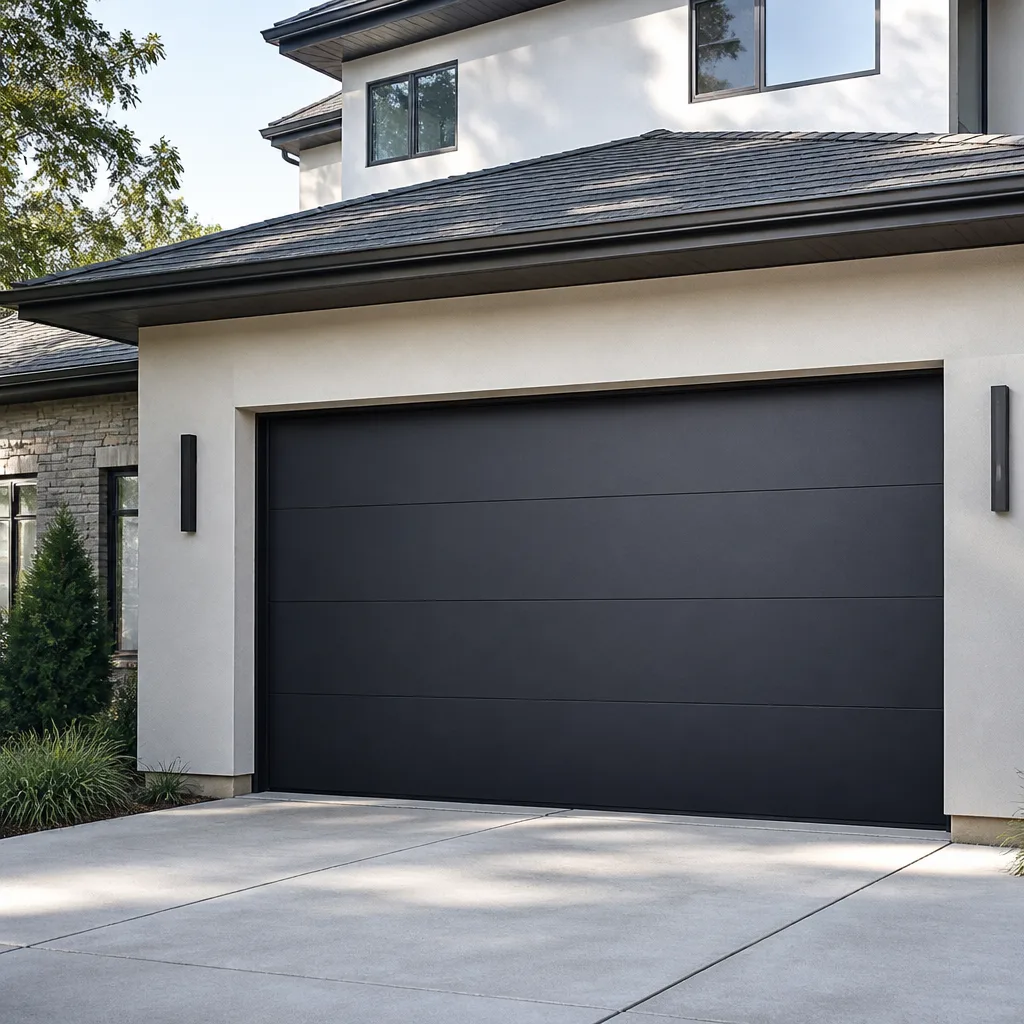 Modern flush
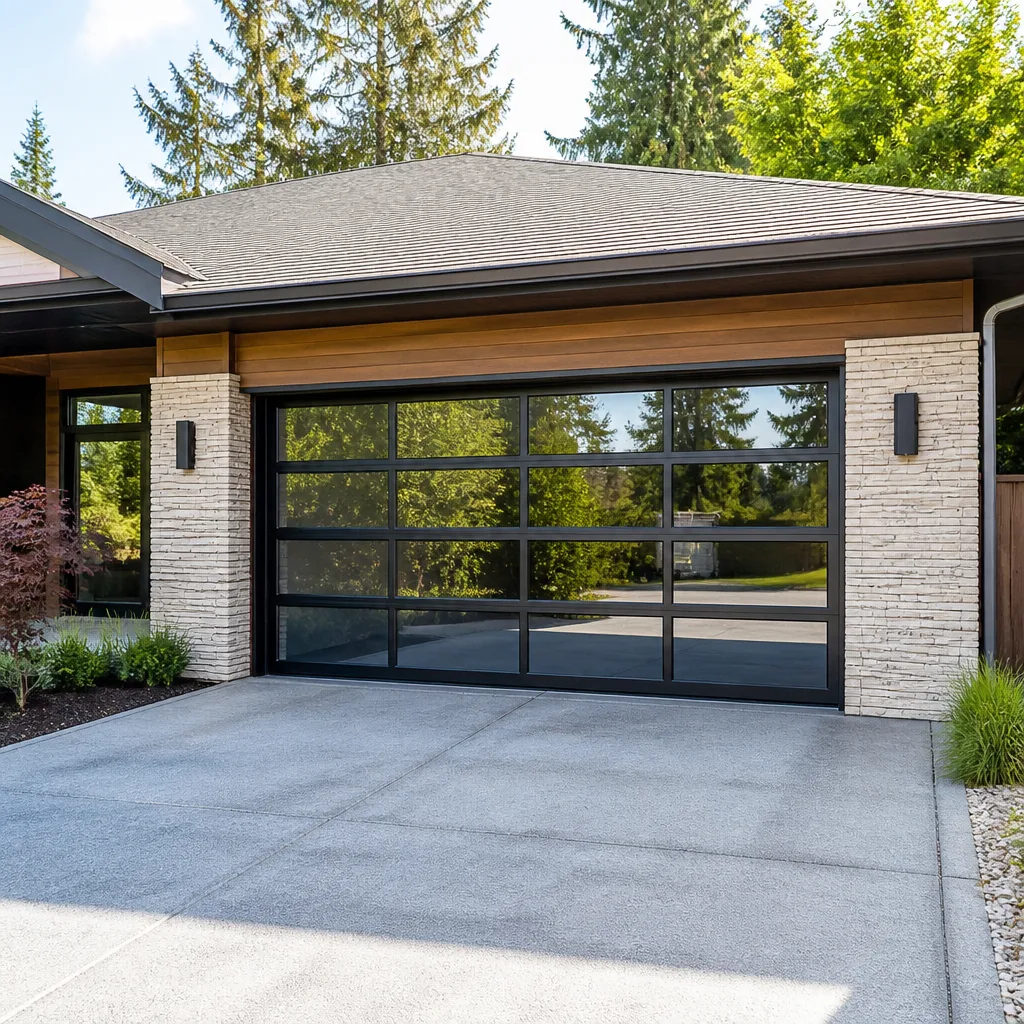 Full-view glass
 LiftMaster openers
 Chamberlain openers
Full 25-point door and opener safety check with every visit - springs, cables, rollers, tracks, and your LiftMaster or Chamberlain opener included
You get a price before we start. It does not change when the pro arrives.
Get your free estimateGarage Door Repair Troubleshooting in McAllen: Common Problems and How to Fix Them
A garage door that reverses before it closes isn’t broken. It’s communicating. The safety sensors are telling the opener something is in the way, and the opener is obeying. Most homeowners, and honestly some technicians, treat the reverse as the problem and start adjusting the close force. That’s treating the symptom and ignoring the signal. A garage door is one of the few machines in your home that reports its own failures before it stops working entirely: the noises, the reversal patterns, the way the opener light blinks, and the drift of the door off its center line are all evidence. This guide teaches you how to read that evidence, sort your symptom into one of six root causes, and know which fixes are safe for you and which need a specialist in McAllen.
Quick Answer
Most garage door problems in McAllen trace to one of six root causes: worn springs, misaligned safety sensors, track and roller wear, balance and tension issues, opener logic faults, and power or remote problems. You can safely handle sensor alignment, limit adjustments, lubrication, and remote resets yourself. Spring replacement, cable tension, and opener gear work require a trained garage door specialist because the stored energy in those parts can cause serious injury. Reading your door’s specific symptom and matching it to the right category cuts diagnostic time and repair cost.
Styles & brands we work with
- Raised-panel steel
- Carriage house
- Modern flush
- Full-view glass
- LiftMaster openers
- Chamberlain openers
Table of Contents
- Why Your Door’s Behavior Is Evidence, Not Mystery
- The Six Root Causes Behind Almost Every Garage Door Problem
- Symptom-to-Cause Decision Tree: Match What You See to What’s Wrong
- How McAllen Heat and Humidity Accelerate Specific Failures
- What You Can Fix Yourself vs. What Needs a Licensed Technician
- Brand-Specific Quirks: Why Blink Codes and Error Codes Differ
- The “Before You Call” Checklist That Resolves a Fifth of Service Calls
- Opener Troubleshooting: When the Door Is Fine but Nothing Moves
Why Your Door’s Behavior Is Evidence, Not Mystery
A garage door is a system of about a dozen moving parts working under tension, and each part fails in a predictable way. That predictability is your advantage. When a door starts grinding, the sound comes from a specific place: the rollers in the track, the hinges at the panel joints, or the opener rail. When a door reverses, a sensor or a limit switch triggered it. When a door jerks on the way up, a spring has lost tension or a cable has slipped.
The mistake most homeowners make is to describe the symptom without locating it. “My door is loud” tells us nothing. “My door scrapes on the left side going up, and only in the last two feet before the top” tells us a roller is worn or a track is out of plumb. That precision is exactly what a garage door specialist needs to show up with the right part the first time. It’s also what saves you money, because a technician who knows the cause before arriving doesn’t spend billable time hunting for it.
In McAllen, doors face a particular kind of stress. The temperature swings from cool mornings to hot afternoons cycle the metal and the springs dozens of times each week, and the humidity sitting in the air works its way into every hinge, roller bearing, and pivot point. A door that would last years in a cooler, drier climate wears faster here. Reading the signals early is how you avoid a small part failure becoming a whole-system repair.
If you’d rather skip the detective work and get a specialist out, Polaris Garage Door Repair handles the full range of residential garage door problems. But read on. Half of the calls we field are solved in under five minutes once the homeowner knows what category their problem belongs to.
The Six Root Causes Behind Almost Every Garage Door Problem
Every garage door failure we diagnose falls into one of six buckets. Once you know which bucket your problem belongs to, you know whether you’re dealing with a wear item, a sensor, a mechanical fault, or an electronics issue.
- Worn springs. Torsion or extension springs hold the door’s weight. When they fatigue, the door becomes heavy to lift by hand, the opener strains, and the door may reverse or stop partway up. Springs have a finite cycle life, and heat speeds the countdown.
- Misaligned safety sensors. The two small photo-eye sensors at the bottom of the track stop the door if something crosses the beam. If they’re out of alignment, dusty, or blocked, the door reverses before closing or refuses to close at all.
- Track and roller wear. Rollers wear flat, tracks bend, and the door starts dragging, scraping, or jumping. This is the most common source of noise complaints.
- Balance and tension problems. A door that’s out of balance opens unevenly and puts extra load on the opener. Cables that jump the drum or lose tension are a mechanical fault that requires a professional.
- Opener logic faults. The opener’s circuit board, limit switches, or travel settings drift over time. The door stops short, reverses for no reason, or the opener light flashes a diagnostic code.
- Power and remote problems. Dead batteries, a tripped breaker, a disconnected safety beam wire, or a wall control that’s gone bad. These are the simplest to check and the most often overlooked.
Each root cause has a distinct fingerprint. The next section shows you how to match your door’s behavior to the right bucket.
Symptom-to-Cause Decision Tree: Match What You See to What’s Wrong
Use your symptom to find the likely cause. Read the description, then check the corresponding parts of your door.
If the door reverses before closing
Look at the safety sensors first. The photo-eyes should be facing each other, aligned, and lit. A dirty lens, a bumped bracket, or a cobweb across the beam will reverse the door every time. If the sensors are clean and aligned, the issue is the opener’s close-force limit or a damaged sensor wire. This is the single most common call we get in McAllen, and it’s usually a five-minute fix.
If the door stops partway up
The opener’s up-limit is set too low, or the spring has lost tension and the opener can’t lift the door’s weight. Test by disconnecting the opener (pull the emergency release) and lifting the door by hand. If it’s hard to lift, it’s a balance issue, not an opener issue. Do not force it up.
If the door is loud but works
Noise usually points to worn rollers, dry hinges, or a loose track. Rollers that have gone flat from heat exposure are the most common cause in this climate. Lubrication helps hinges; worn rollers need replacing.
If nothing happens when you press the remote
Check the wall control first. If the wall control works and the remote doesn’t, the remote battery or a lost code is the cause. If neither works, check the opener’s power and the safety-beam connection. A blinking opener light is your diagnostic clue for the last one.
If the door is crooked or off its track
This is a cable or roller issue and it’s dangerous. A door that’s off-track can fall. Keep clear of the door, don’t run the opener, and call a specialist.
How McAllen Heat and Humidity Accelerate Specific Failures
Garage doors fail in McAllen in ways that are less common in cooler parts of the country. The combination of sustained heat and high humidity creates three specific failure patterns you should expect.
Spring fatigue
Heat softens steel and accelerates metal fatigue. A torsion spring that would last for a long cycle count in a mild climate will fatigue faster in the Rio Grande Valley. That means McAllen homeowners replace springs more often than homeowners in cooler climates, and the symptom to watch for is a door that gets progressively harder to lift by hand, or an opener that starts to strain near the top of the travel.
Sensor drift
The photo-eye sensors are small electronics, and heat expansion and humidity can cause their brackets to shift fractionally over a season. That tiny drift is enough to break the beam. If your door reverses every few weeks and then works again after you poke the sensors, the brackets have loosened and need re-aligning and re-tightening.
Track warping
Track is thin steel, and it moves with temperature. Over time, the track can pull out of plumb, and the door starts to bind or scrape on one side. This is especially common on doors mounted to a garage that gets direct afternoon sun. Watch for a door that works in the morning and drags in the afternoon.
These three failures aren’t signs of a bad door. They’re the price of living in a climate that works doors hard. A garage door repair visit that addresses the specific part under stress is a far better value than a generic tune-up that doesn’t know what McAllen is doing to the hardware.
What You Can Fix Yourself vs. What Needs a Licensed Technician
Some garage door fixes are homeowner-safe. Others carry serious risk because of stored energy. Here’s the clear line.
Safe to handle yourself
- Sensor alignment. Loosen the wing nuts on the sensor brackets, aim each sensor at the other until both indicator lights are solid, and re-tighten.
- Sensor cleaning. A soft cloth and a little glass cleaner on the sensor lenses solve a surprising number of reversals.
- Limit adjustments. The up and down limits on your opener are set screws or knobs on the opener housing. Small quarter-turn adjustments resolve doors that stop short or reverse just before the floor.
- Lubrication. A silicone or lithium grease on the hinges, rollers, and track (not the opener rail chain unless the manufacturer recommends it) reduces noise and wear. Never use WD-40 as a lubricant here; it’s a solvent.
- Remote resets. Re-pairing a remote or replacing the battery is straightforward and covered in your opener’s manual.
Requires a trained technician
Spring replacement and cable tension are not do-it-yourself jobs. A torsion spring under load stores enough energy to cause serious injury if it’s handled wrong, and cables under tension can whip when they release. Do not attempt to adjust, remove, or replace a spring or cable yourself. If your door is heavy to lift, jerking, or off-track, stop using it and call a specialist. This is the single most important safety point in this guide. A trained technician has the tools and the experience to release the tension safely.
Our technicians have up to 12 years of experience with the full range of spring and cable systems. That experience exists precisely because these parts are unforgiving.
Openers are a middle ground. Replacing a wall control or a sensor is safe. Working inside the opener housing on the gear, belt, or logic board is not, and that’s a job for someone who works on openers as a specialty, not as an afterthought to their handyman service.
Brand-Specific Quirks: Why Blink Codes and Error Codes Differ
Garage door openers from LiftMaster, Chamberlain, Genie, and Craftsman share a lot of technology, but they don’t share diagnostics. That’s where brand-specific knowledge saves time.
Chamberlain and LiftMaster
These two brands share parent technology, and their diagnostic blink codes are genuinely useful once you read them correctly. A pattern of blinks on the opener light corresponds to a specific fault: obstruction at the safety beam, a failed travel module, or a wiring fault. But the same blink count can mean different things on a Chamberlain versus a LiftMaster depending on the model year and the logic board version. This is why a generalist handyman who doesn’t work on these systems regularly will guess, and a specialist will read the code before touching anything.
Craftsman
Craftsman openers are common in older McAllen homes, and they have their own quirks. A Craftsman that won’t respond to a remote but works from the wall control is almost always a lost code or a failed receive module, not a bad remote. Craftsman remotes also need re-pairing after a power surge in a way that’s different from the LiftMaster process.
Wayne Dalton and Raynor
These door manufacturers sometimes pair with specific opener systems, and the torsion hardware can be non-standard. If your door is a Wayne Dalton or a Raynor and you’re replacing a spring or a roller, the right part matters. A generic replacement can fit poorly and shorten the life of the whole system. That’s why we match parts to the door brand rather than grabbing whatever’s on the shelf.
The point isn’t that one brand is better than another. It’s that your door and opener have a specific identity, and the right diagnosis comes from someone who works on that brand regularly. The garage door opener repair specialists who can tell a Chamberlain blink code from a LiftMaster error code are the ones who’ll fix your opener the first time.
The “Before You Call” Checklist That Resolves a Fifth of Service Calls
Before you pick up the phone, run this checklist. In our experience, about 20 to 30 percent of the service calls we receive are resolved by one of these steps.
- Disconnect and lift by hand. Pull the emergency release cord (the red handle) and lift the door manually. If it’s smooth and light, the door is fine and the problem is in the opener. If it’s heavy or binds, the problem is in the door’s hardware.
- Check the safety sensors. Are both sensor lights solid? Is anything blocking the beam? Clean the lenses with a soft cloth.
- Check the power. Is the opener plugged in? Is the GFCI outlet or breaker tripped? A tripped breaker is a common cause of “nothing works.”
- Replace the remote battery. This is the most common fix for a remote that’s stopped responding.
- Re-pair the remote. Follow the manual for your opener brand. A power surge can drop the code.
- Check the wall control. If the wall control works but the remote doesn’t, the remote is the issue. If neither works, it’s the opener or the safety beam.
- Look for debris in the track. Leaves, pebbles, and even a small toy can jam the rollers.
If none of these resolve the issue, you’ve got a genuine repair on your hands, and you’ve narrowed the category for the technician. That’s information worth having when you call.
For homeowners who want the door serviced and the problem diagnosed in person, a specialist visit from our team covers both. If you’re in the neighborhood, our Doolittle service area is right up the road from McAllen.
Opener Troubleshooting: When the Door Is Fine but Nothing Moves
When the door is balanced and moves freely by hand but the opener won’t run it, the problem has narrowed to the opener or its controls. Work through these steps in order.
- The opener doesn’t respond to anything. Check the power and the breaker. If the opener light is on, it has power, and the issue is the logic board or a safety beam fault.
- The opener light blinks a code. Count the blinks and look up the pattern for your specific brand and model. This is the fastest path to a diagnosis and one of the reasons brand familiarity matters.
- The opener hums but doesn’t move the door. This usually means a stripped gear or a failed drive belt. Don’t keep trying to run it, because you’ll burn out the motor.
- The opener runs but the door doesn’t travel fully. The travel limits have drifted. A quarter-turn adjustment often resolves it.
- The opener works from the wall but not the remote. Remote battery, lost code, or a failed receive module on the opener.
Opener repair is its own specialty. The systems in McAllen garages have grown more complex as smart Wi-Fi opener upgrades have become more common, and the troubleshooting tools differ from those for a legacy unit. That’s why we keep opener repair as a distinct service rather than folding it into general repair work. A specialist who works on openers every day can diagnose a blinking-light code in minutes, where a generalist might replace parts by trial and error.
If you’ve run the checklist and the opener still won’t cooperate, that’s the point to call. Same-day service is often available for repair calls.
Common Mistakes to Avoid
- Adjusting the close force instead of the sensors. If a door reverses before closing, it’s almost never the force setting. Turning it up overrides a safety feature and can cause the door to crush something or someone. Fix the sensor instead.
- Lubricating the track with the wrong product. WD-40 is a solvent, not a lubricant. Use a silicone-based or lithium grease on the hinges and rollers, and never grease the track surface itself.
- Ignoring a door that’s off its track. A crooked door can fall. Don’t run it, don’t try to muscle it back on the track, and don’t let the opener try to lift it. Call a specialist.
- Replacing a remote when the wall control is the problem. If the wall control works, the remote is the issue. If neither works, the opener is the issue. Don’t buy a new remote until you’ve confirmed which it is.
- Assuming a loud door is a door about to fail. Noise from worn rollers and dry hinges is often fixable with lubrication and a roller swap. But ignoring it for a year can grind down the door’s metal.
- Doing the spring yourself. This is the one mistake with real potential for injury. Springs and cables are specialist work. Leave them alone.
- Hiring a handyman who “does garage doors too.” A generalist doesn’t have the brand-specific diagnostics or the right parts for your system. A specialist does. It’s a small difference in the moment and a large one in the outcome.
See the difference
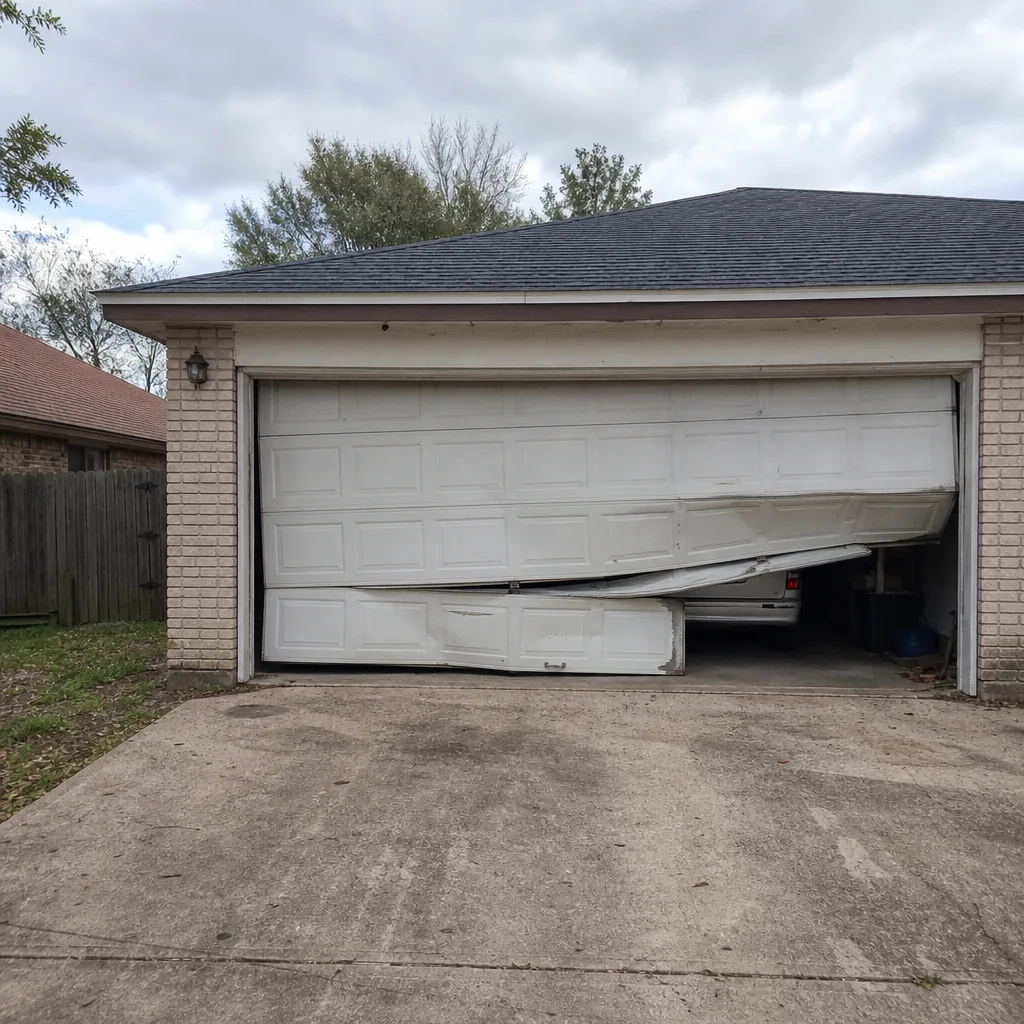 Before
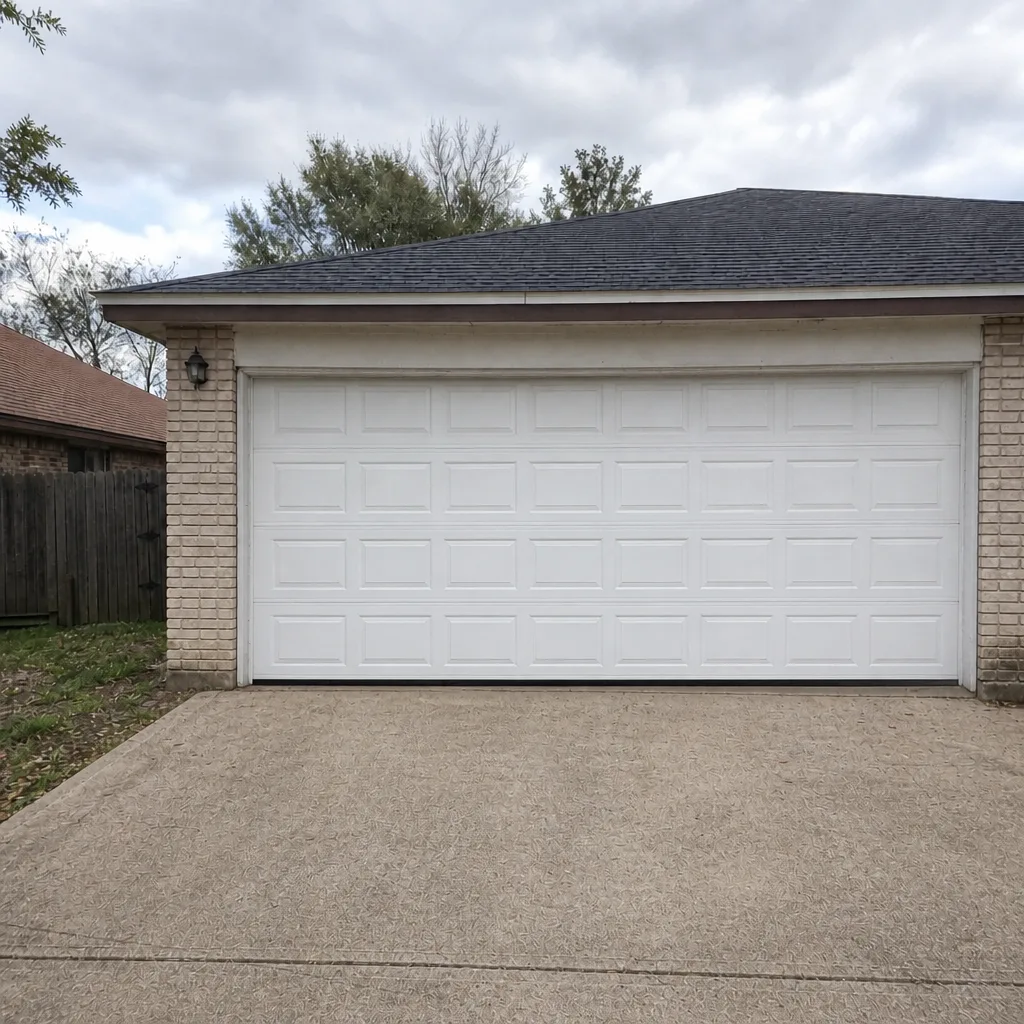 After
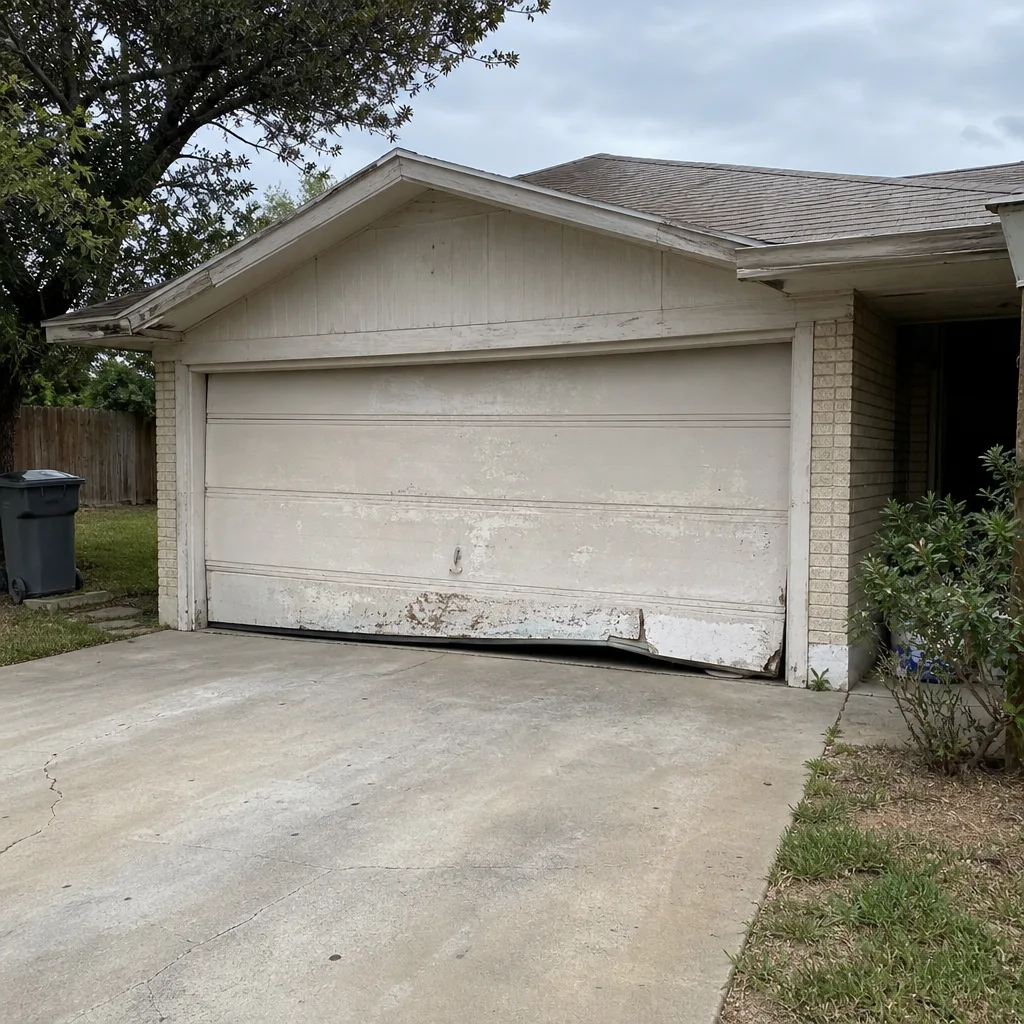 Before
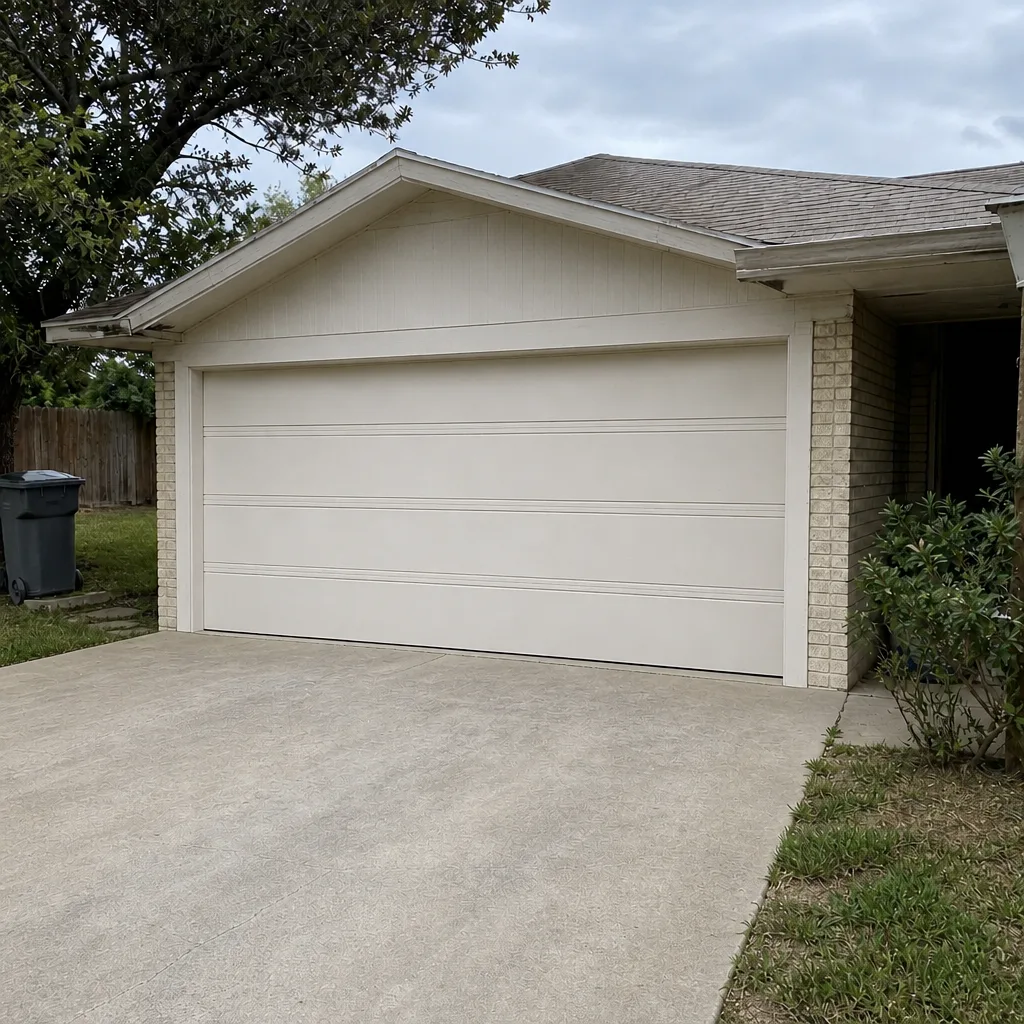 After
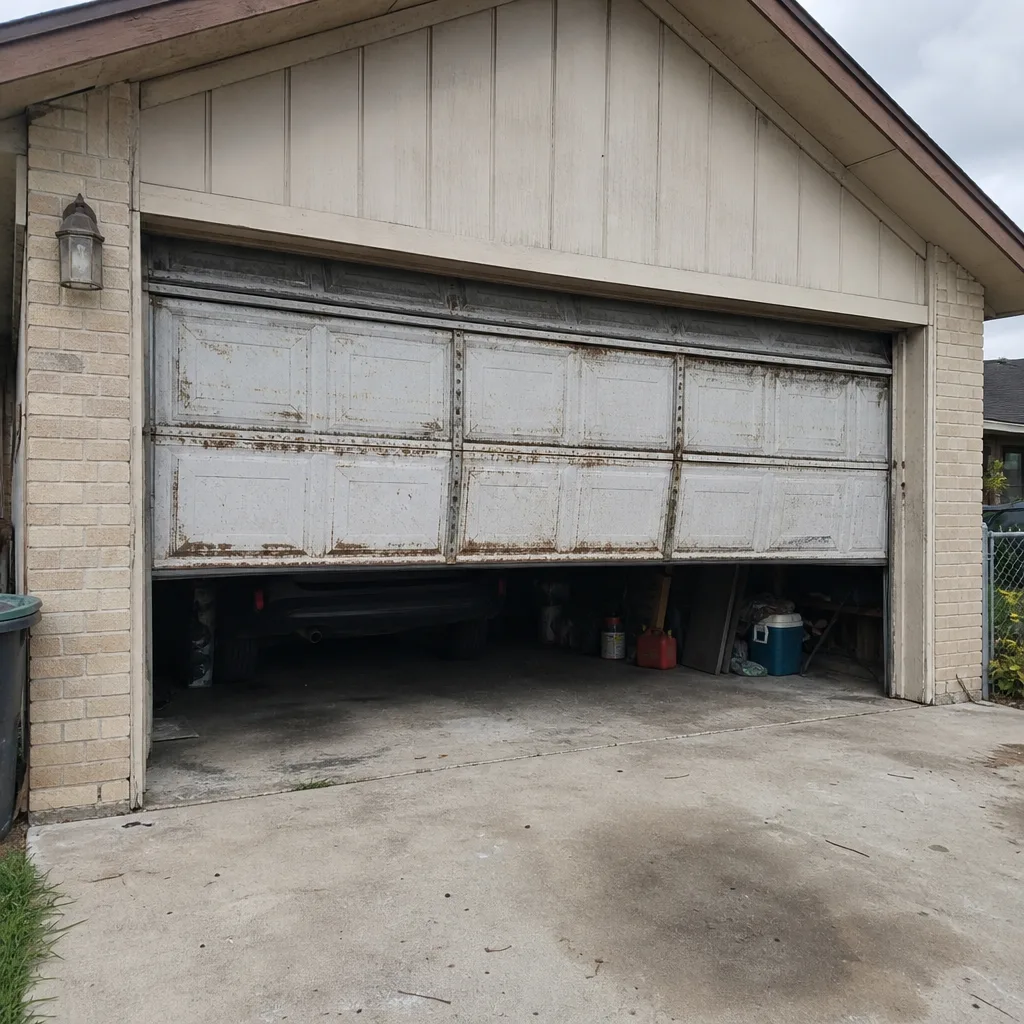 Before
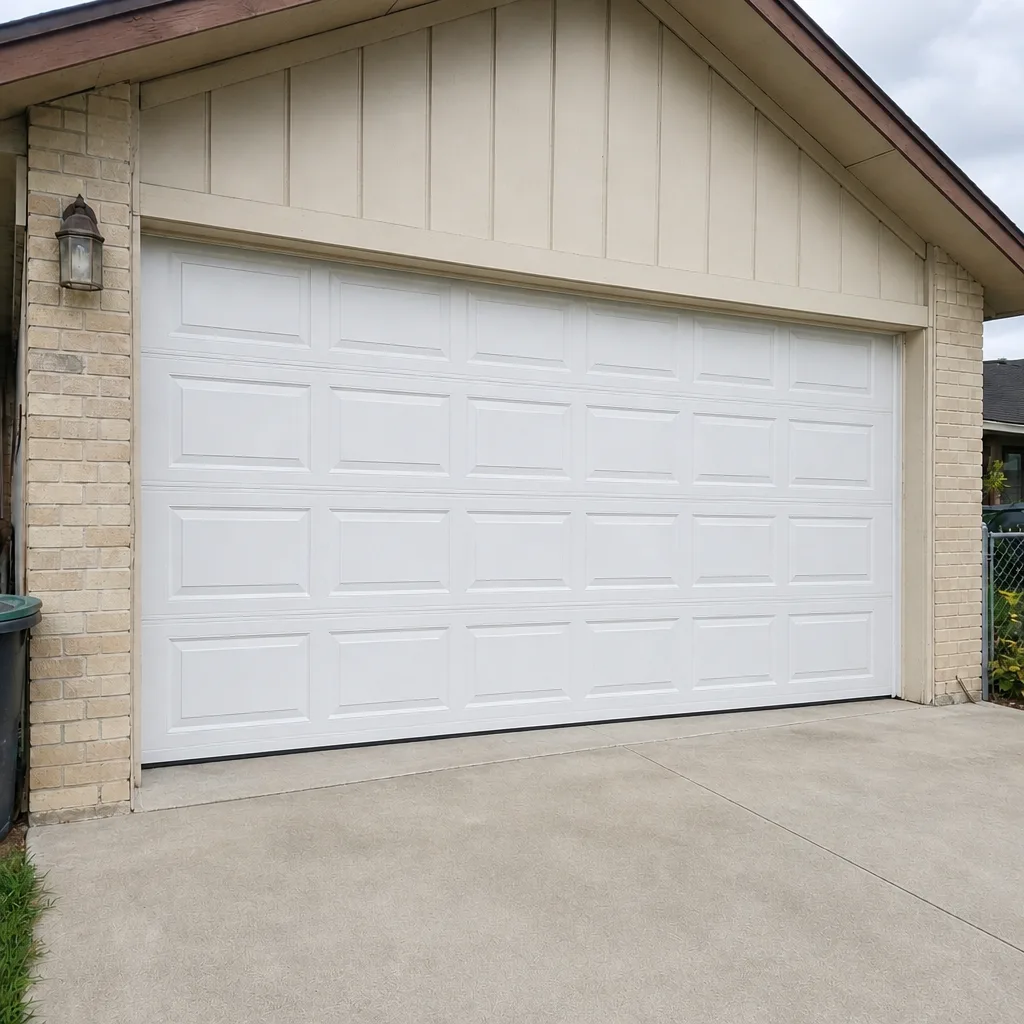 After
When to Call a Professional
Call a specialist when your symptom matches any of these: a door that’s hard to lift by hand, a door that’s off its track or crooked, a broken spring, a cable that’s snapped or loose, an opener that hums without moving the door, an opener that trips a breaker, or any repair that hasn’t responded to the safe fixes above. These are the jobs where a trained technician’s experience with the specific brand and system makes the difference. Polaris Garage Door Repair offers free estimates in McAllen. Call (866) 285-4210. We answer 24/7. Fast dispatch from 7am to 7pm, Sunday through Friday. The price is always quoted and agreed before any work starts, so you’ll know the number before anyone touches the door.
Frequently Asked Questions
Garage door repairs in McAllen typically range from about $120 for a sensor adjustment or a remote fix to $450 or more for a spring replacement, with the exact price set by the written estimate before work begins. The final number depends on the part and the door system, and you’ll get it in writing with no surprise charges. Call (866) 285-4210 for an exact quote; estimates are free.
Same-day service is often available for repair calls in McAllen, and a call placed during our dispatch window has the best chance of a same-day visit. Call (866) 285-4210. We answer 24/7. A call outside dispatch hours is booked into the next opening, Sunday through Friday, 7am to 7pm.
Your door is reversing because the safety sensors are blocked, misaligned, or dirty, or because the close-force limit is set too low. Start by cleaning the sensor lenses and checking that both lights are solid. If that doesn’t fix it, it’s a sensor bracket or wiring issue. Call (866) 285-4210 for a quick diagnosis; estimates are free.
No. The written estimate is the price, and it’s quoted and agreed before any work starts. If we open up a system and find something different from what was quoted, we tell you before we do anything else. Call (866) 285-4210 for an exact quote; estimates are free.
Our technicians are licensed and insured, and our technicians have up to 12 years of experience across the brands we service, including LiftMaster, Chamberlain, Genie, Clopay, Amarr, Wayne Dalton, Craftsman, and Raynor. We’re garage door specialists, not general handymen, and that focus is what makes the diagnosis accurate. Call (866) 285-4210 to schedule.
A blinking opener light is a diagnostic code, not a random glitch, and the meaning depends on your brand. On a Chamberlain or a LiftMaster, the number of blinks points to a specific fault such as a safety-beam obstruction or a travel-module issue, but the same blink count can mean different things depending on the model. Count the blinks, note your brand and model, and call (866) 285-4210 so a specialist who works on that opener system can tell you what it means.
The Bottom Line
Your garage door’s behavior is evidence, and reading it correctly is the fastest path to the right repair. Match your symptom to one of the six root causes, and you’ll know whether you’re dealing with a sensor, a spring, a track, an opener, or a simple power issue before anyone shows up. In McAllen, expect heat and humidity to accelerate spring fatigue, sensor drift, and track warping, so a door that works today and drags next month is telling you something about this climate. Handle the safe fixes yourself, leave the springs and cables to a specialist, and remember the written estimate is the price. Polaris Garage Door Repair works on all eight major brands and treats opener repair as its own specialty. Call (866) 285-4210 for a free estimate and find your fix fast.
Written by the team at Polaris Garage Door Repair.