
Last updated November 16, 2026
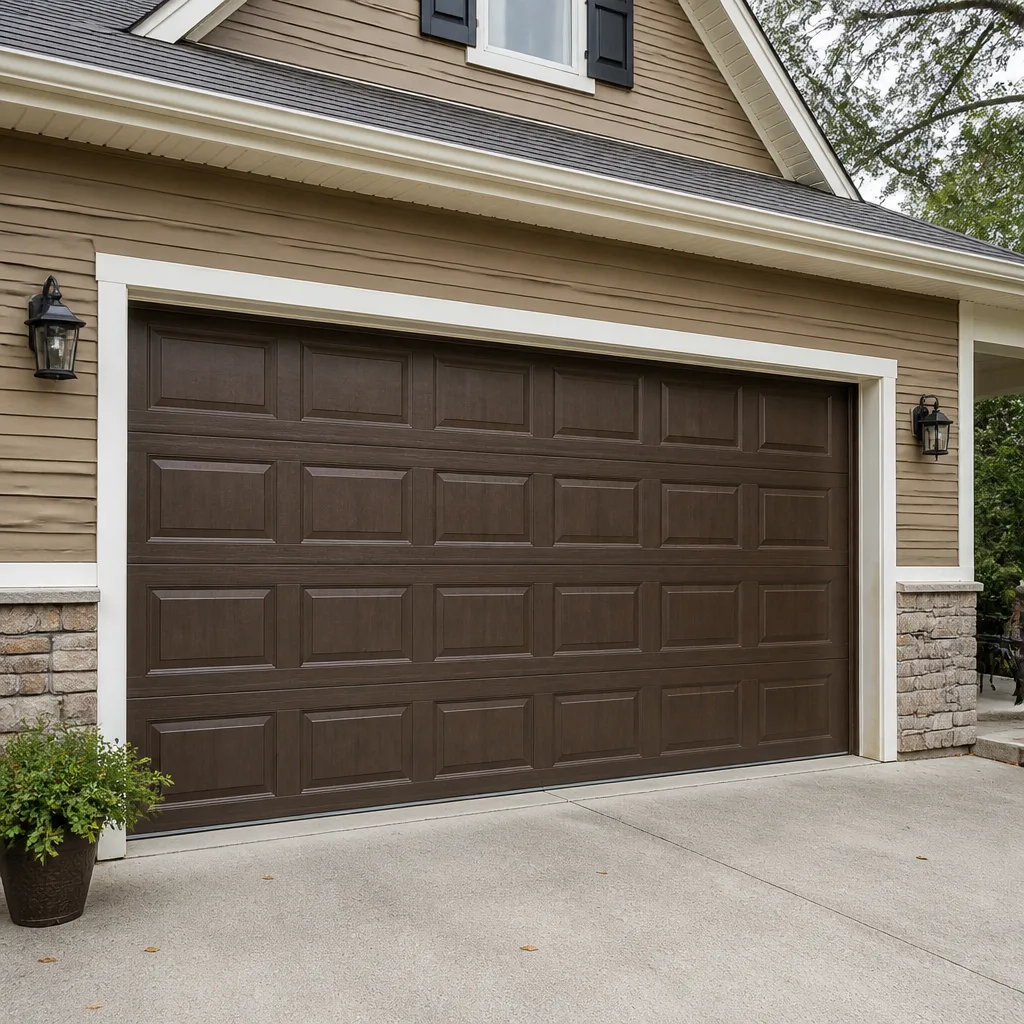 Raised-panel steel
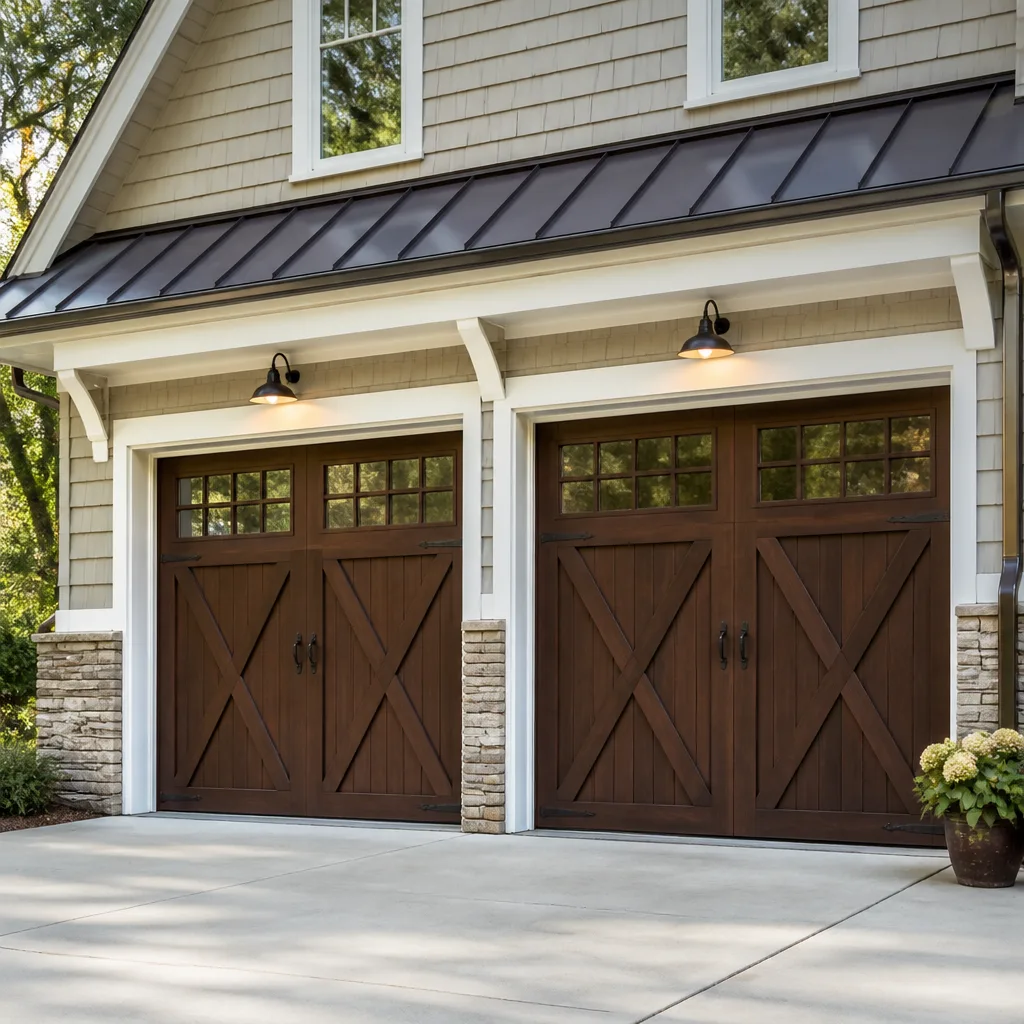 Carriage house
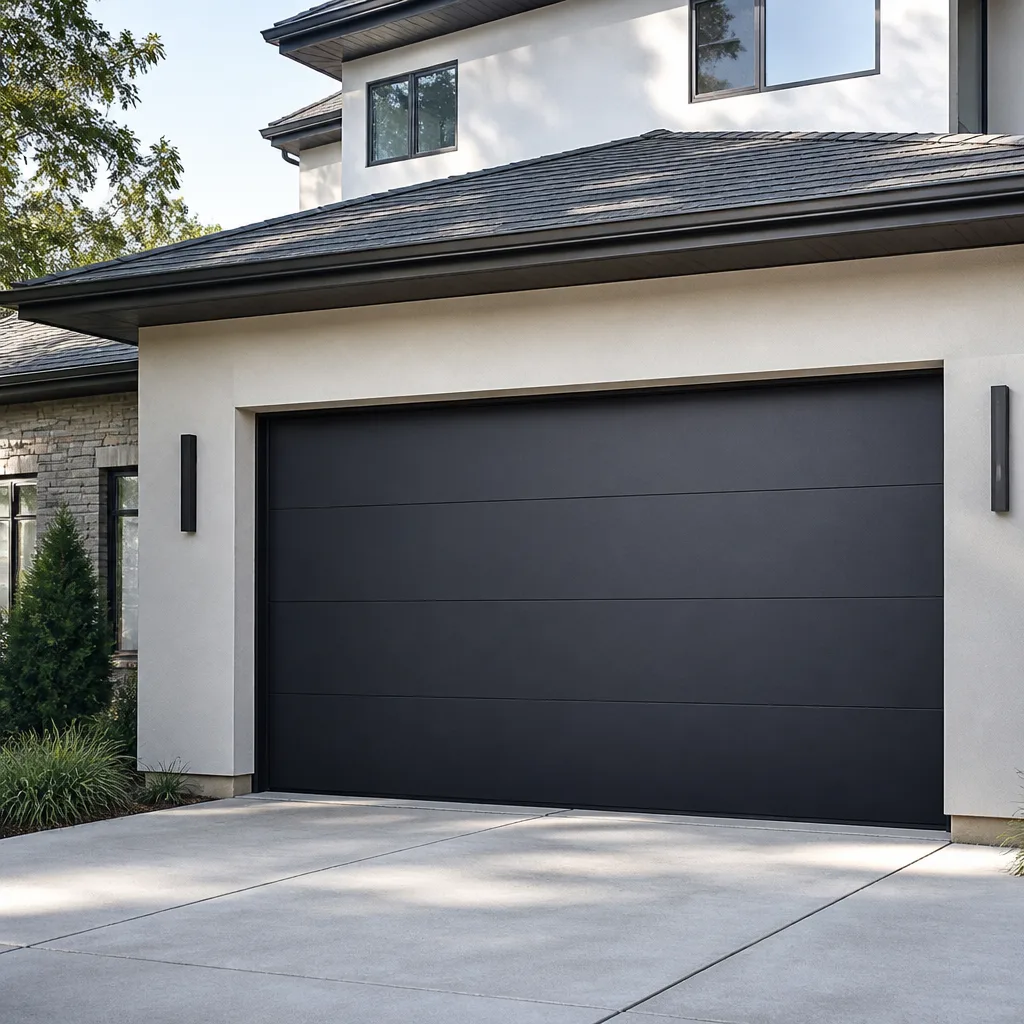 Modern flush
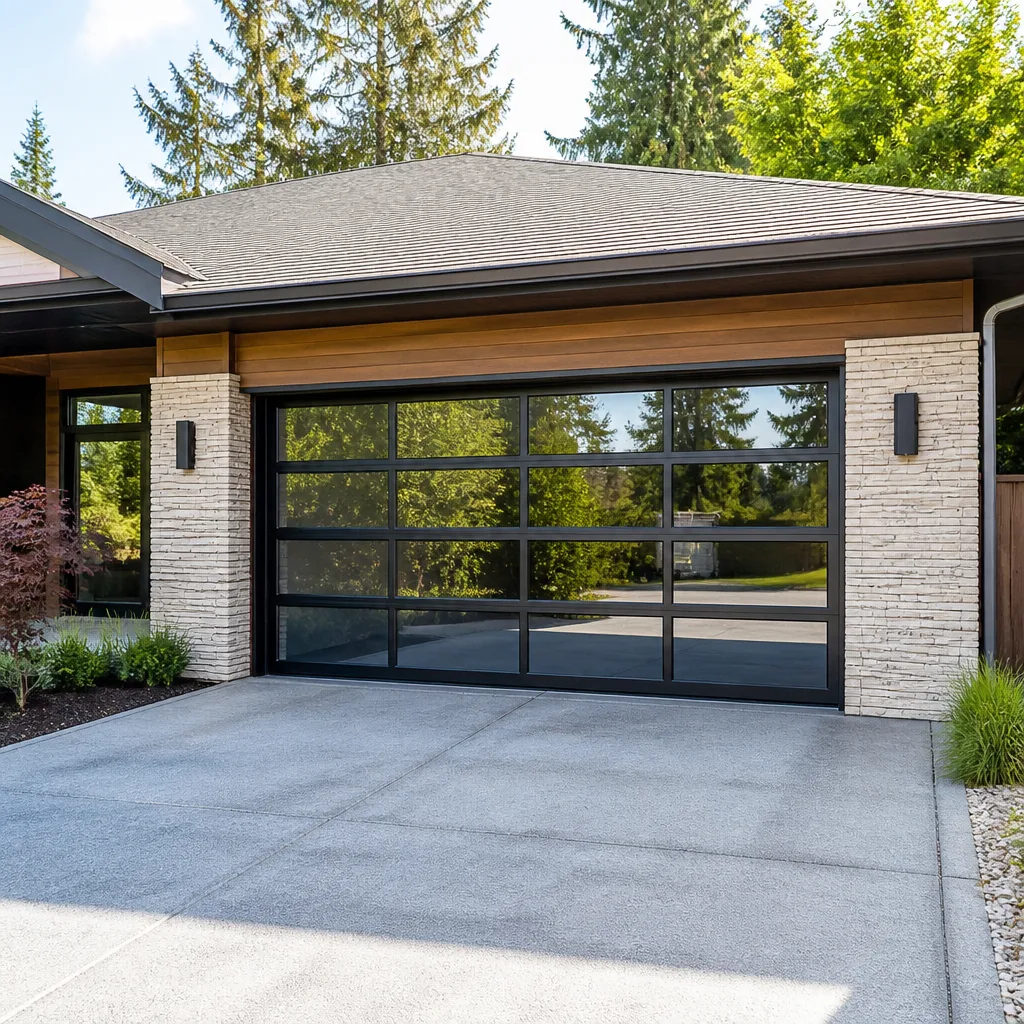 Full-view glass
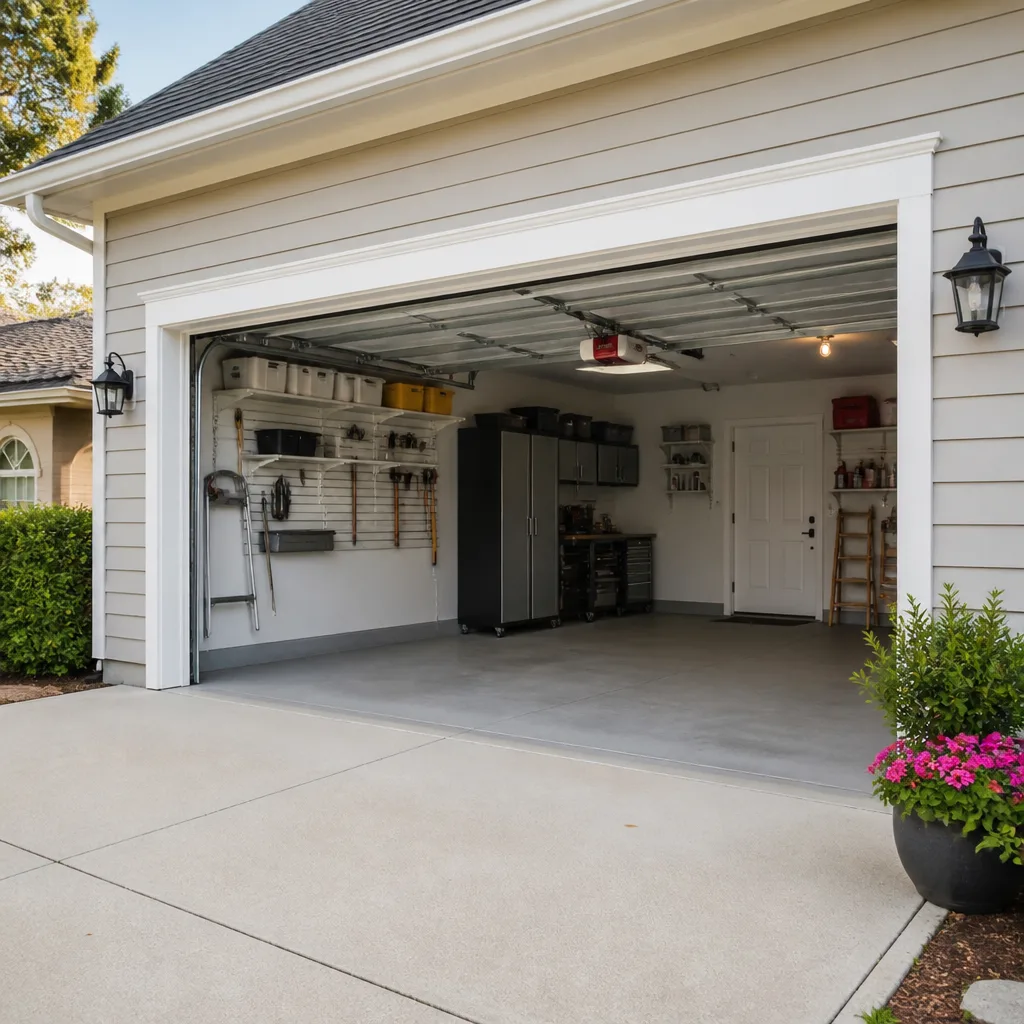 LiftMaster openers
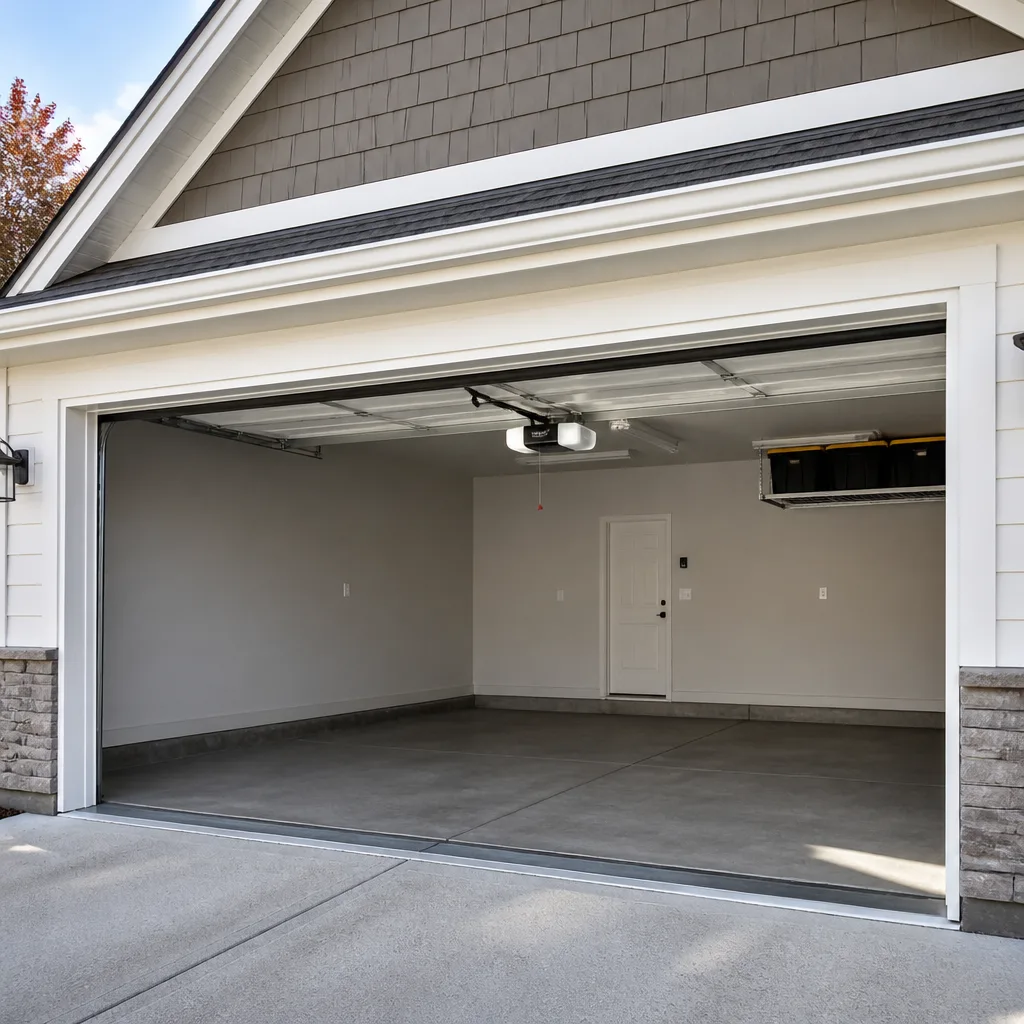 Chamberlain openers
Full 25-point door and opener safety check with every visit - springs, cables, rollers, tracks, and your LiftMaster or Chamberlain opener included
You get a price before we start. It does not change when the pro arrives.
Get your free estimateGarage Door Permits, Codes & Inspections in McAllen, TX: What You Need to Know
Most McAllen homeowners assume a garage door swap is too routine to need a permit. Usually they’re right. Sometimes they’re wrong in a way that surfaces years later, at the worst possible moment: a home sale, an insurance claim, or a city inspector’s clipboard. The line between “no paperwork needed” and “permit required” isn’t obvious from the driveway, and it rarely comes up in a contractor’s sales conversation because pulling a permit adds scheduling time. This guide walks the actual decision tree. You’ll learn which jobs are cosmetic and which touch structure or wiring, how Hidalgo County wind requirements shape what can legally go on your wall, what inspections actually check, and how to clean up a previous owner’s unpermitted work before it costs you.
Styles & brands we work with
- Raised-panel steel
- Carriage house
- Modern flush
- Full-view glass
- LiftMaster openers
- Chamberlain openers
Quick Answer
In McAllen, replacing a garage door in the same opening with the same size is usually treated as ordinary maintenance and doesn’t need a permit. A permit becomes likely when the job changes the structure: widening or raising the opening, altering or replacing the header, changing the framing, or adding electrical work for a new opener circuit. Wind-load rated doors and engineer documentation can come into play depending on where your home sits and when it was built. The only reliable answer for your specific address comes from the City of McAllen’s building department, and a written scope from your installer is what they’ll want to see.
Table of Contents
- What Triggers a Permit in McAllen?
- When You Don’t Need a Permit
- Wind Load Requirements and Texas Code Updates
- What a City Inspector Actually Checks
- How to Prepare for a Garage Door Inspection
- Handling Unpermitted Work From a Previous Owner
- What an Unpermitted Modification Does to an Insurance Claim
- The Permit Process Step by Step
- Common Mistakes to Avoid
- When to Call a Professional
- Frequently Asked Questions
- The Bottom Line
What Triggers a Permit in McAllen?
A garage door replacement crosses from maintenance into permitted construction when the job changes the building, not just the door. Swapping panels or replacing a door in the existing opening at the same dimensions doesn’t move the needle. Cutting into the wall does. So does anything that changes how the house handles wind, and so does new electrical work.
Here’s the practical list we walk through with homeowners. Each item below generally pushes a job into permit territory in McAllen:
- Changing the opening size. Widening a single-car opening to a double, or raising the header to fit a taller door, is structural work. It moves framing and load-bearing members.
- Header replacement or modification. The header carries the load above the opening. Replace it, shore it, or cut into it and you’ve changed the structure of the wall.
- Reframing or changing the wall. Moving or resizing the rough opening, changing jack studs, or altering the garage’s front wall.
- Adding a new opener circuit or outlet. New wiring in the garage ceiling is electrical work and usually needs its own permit, separate from anything to do with the door.
- Changing door type in a way that changes wind load. Going from a light non-rated door to a heavy wind-rated system, or the reverse, changes the load path on the framing.
- Converting the garage. If the garage is being enclosed, converted, or connected to the living space, you’re now in a much larger permitting category.
If your job includes any of these, plan for paperwork. The permit itself is not the hard part. Knowing you need it before the crew arrives is.
When You Don’t Need a Permit
The majority of jobs we handle in McAllen fall into the straightforward category. A door that’s cracked, dented, or off its track gets replaced in the same opening at the same size. No structural change, no electrical change. That’s typically maintenance and it typically doesn’t require a permit.
Same logic applies to the parts of the system that wear out:
- Replacing a torsion or extension spring
- Swapping rollers, hinges, or drums
- Replacing cables or re-spooling them
- Adjusting a door that has come off its track
- Replacing the opener on an existing circuit, without new wiring
- Servicing or reprogramming a remote, keypad, or wall console
- Replacing weatherstripping or the bottom seal
None of that touches the structure or the electrical service. It’s the kind of work our technicians do every day in McAllen, and it falls outside the permit conversation entirely. If you’re unsure, ask. It’s a two-minute question at the start of a job and a two-month problem at closing.
There’s also a practical middle ground. Some installs replace the door and the track assembly but reuse the existing opening and existing wiring. Those usually fall under maintenance. Your installer should be able to tell you exactly which category your job lands in before they schedule anything, and if they can’t answer that question clearly, that’s your signal to ask more questions. A specialist who does garage door repair regularly knows where that line sits in the local market.
Wind Load Requirements and Texas Code Updates
Texas has been tightening how structures handle wind for a long time, and the Rio Grande Valley sits in a region where those rules matter. The short version: a garage door on a newer home or a home built after the last major code cycle may be required to carry a wind-load rating and documented engineering, and swapping in a door that doesn’t match the rating can put you on the wrong side of the code.
What homeowners in McAllen should understand about wind ratings:
- Rating is tied to the opening, not the door in isolation. The supporting framing, the track anchors, and the door together form the system that resists wind. A rated door on unrated framing doesn’t give you the rating.
- Documentation matters. A wind-rated door usually comes with manufacturer documentation and sometimes a sealed engineering letter stating the design pressure it’s rated for. That paperwork should be kept with the home’s records.
- Replacing an older door with a non-rated model when the original was rated is the swap that causes problems at sale and in claims, not at the moment of installation.
- Where your house is built relative to wind exposure zones can affect what’s required. The City of McAllen’s building department can tell you what applies to your address. We don’t guess at that, and no installer should.
If you’re ordering a new door, ask for the rating documentation in writing, even if you don’t need it today. It goes in a file and lives there until someone needs it. That file is worth more than you think at resale.
What a City Inspector Actually Checks
If your job did require a permit, an inspector will come out at a set point in the process, usually after rough framing and before close-out on structural work, and again for final sign-off. The inspection is not a mystery. It’s a checklist, and the door system is one row on it.
Here’s what an inspector is likely to look at when a garage door is part of a permitted job:
- Opening dimensions and framing. Height, width, and header depth compared to the approved plans.
- Structural connections. How the header and framing attach to the surrounding wall assembly.
- Anchoring of the track and torsion assembly. Bolts and lag screws into framing, not just into panels or drywall.
- Wind-load documentation. Manufacturer rating on the door, and engineering paperwork if the approved plans require it.
- Door operation. The opener and manual operation of the door, and whether the safety reverse functions.
- Electrical connections. If new wiring was part of the scope, the electrical inspector reviews that portion separately.
- Labeling and documentation. Manufacturer labels still legible and attached, and required paperwork on site.
- Final operation test. The door opens, closes, reverses on obstruction, and doesn’t bind the opener.
Notice what isn’t on that list. The inspector doesn’t care how the door looks, whether the color matches the house, or whether you chose steel over aluminum. Those are your calls. The inspector cares about structure, anchoring, documentation, and safe operation.
How to Prepare for a Garage Door Inspection
Preparing for an inspector is mostly about getting the paperwork and the physical access right. The inspection itself usually takes a short visit. The preparation is what determines whether it passes on the first try or gets rescheduled.
What to have ready before the inspector arrives:
- The approved permit and approved plans on site. Whoever pulled the permit should keep a copy accessible, either printed or through the city’s online portal.
- Manufacturer documentation for the door. The spec sheet, and the engineering letter if the plans require one.
- Clear access to the garage interior. The inspector needs to see the framing, the header connections, and the torsion assembly without moving boxes or a parked car.
- The opener manual or a note on the model. Helpful if the inspector needs to confirm the safety reverse behaviors.
- A cleared driveway. Inspectors need to walk up to the door and observe it operate from outside.
- The name and number of the installer. If anything needs explanation, the inspector can reach the person who did the work through a call to us at (866) 285-4210.
Two more things that make inspections go smoothly. First, don’t move the door between rough-in and final. If the door was installed and documented, leave it. Second, if a correction is written, get it in writing and address it before the next visit. A second correction notice costs more time than it saves.
Handling Unpermitted Work From a Previous Owner
You find out at inspection or at closing. A garage door on your McAllen home isn’t rated to the level the code requires, the framing was changed without a permit, or a wall that should be structural has been cut. Previous owner did the work, previous owner didn’t pull the permit, and now you own the problem.
What the path forward looks like:
- Pull the permit history. The City of McAllen’s building department can tell you what was permitted on the address and when. Start there, before you assume anything.
- Get a real assessment of what’s in the wall. Not a sales pitch. A look at the framing, header, track anchoring, and electrical to see what was changed.
- Decide whether to bring the work up to current code or undo the change. Sometimes the cleaner path is retrofitting the door to meet the required rating. Sometimes it’s removing a nonconforming modification entirely.
- Pull a permit as a correction. In many cases the city will permit a correction to existing unpermitted work, with an inspection that brings the file current.
- Document everything. Photos, paperwork, receipts, and copies of the corrected permit go into the home file. This is the record that answers the question at the next sale.
Do this before you list the home, not during. A property sale can hold up for weeks while a permit question gets resolved, and the buyer’s inspector is going to notice an unpermitted door modification if the city’s record doesn’t match what’s on the house. If you’re planning to sell in the next couple of years, this is worth handling now while you can do it calmly.
What an Unpermitted Modification Does to an Insurance Claim
Here’s the part homeowners underestimate. An unpermitted modification doesn’t automatically kill a claim. But it can create an argument at the worst possible moment, and the argument is not the insurer’s fault for raising. It’s the absence of a documented, permitted, rated door when the policy says the home should have one.
Where this plays out:
- Storm damage claims. If the door was replaced with a non-rated model but the home was built to require a rated door, the insurer can question whether the loss is consistent with the policy’s description of the home. That’s an argument in the middle of a claim, not before it.
- Loss of use of the garage. If the door itself becomes unusable because of a structural issue created by unpermitted work, that gets complicated fast.
- Disclosure on the policy. Some carriers ask about permitted work during underwriting. An unpermitted modification can lead to a coverage question at renewal.
- Resale and refinancing. Lenders and buyers ask for permit histories. A record that doesn’t match reality slows a sale even if the claim wasn’t filed.
We can’t speak to your specific policy. What we can tell you is that unpermitted door work shows up in claims conversations far more often than it should, and the fix is rarely expensive when it’s done before a loss. A door that carries a documented rating and a permit puts the file in a clean state. That file is what defends the claim.
The Permit Process Step by Step
If your job is a permit job, here’s the general shape of how it goes in McAllen. Each step has a legitimate reason for existing, even when it feels slow.
- Scope the work in writing. Before anything is filed, the installer writes down exactly what will change: opening size, header work, door model, rating documentation, and electrical scope. The written scope is the anchor for every step after.
- Check the permit requirement with the city. The City of McAllen’s building department confirms which permits apply. For structural work, that’s usually a building permit. For new wiring, often an electrical permit on top of it.
- Prepare the submittal. That’s the plans, the spec sheets, the wind-load documentation, and the contractor’s information. A permit submittal with complete documentation moves faster than a partial one.
- Submit and wait for review. Review time varies by workload and complexity. Structural changes and wind-loading questions typically take longer than simple electrical work.
- Pull the permit before work starts. Not after. Work that starts before the permit is issued is unpermitted by definition, even if the paperwork is in progress.
- Inspect at the rough and final stages. Structural framing inspection happens before close-up. Electrical inspection happens when the wiring is done. Final inspection is the sign-off.
- Close-out and document. Keep the permit number, the inspection record, and the documentation in the home’s file.
None of that is designed to stall you. It’s designed to make sure the door on your house is what the record says is on your house. When the process is handled the way it’s supposed to be, nobody thinks about it again.
Common Mistakes to Avoid
- Assuming “it’s just a door replacement” without checking. Same-opening swaps usually don’t need a permit. The moment the opening size, header, or wiring changes, the conversation changes. Ask before work starts, not after.
- Starting work while the permit is pending. A permit “in progress” is not a permit. Work that begins before the permit is issued is unpermitted, and the inspector will notice.
- Replacing a rated door with a non-rated model. On homes in wind-exposure areas of McAllen, this is the swap that causes trouble at sale and in a claim. If the old door was rated, replace it with a rated door and keep the paperwork.
- Letting a contractor talk you out of the permit. If the job needs one, the permit is not optional. A contractor who skips it is protecting their schedule, not your home.
- Not knowing your permit history as a buyer or seller. Before you list or buy a home in McAllen, pull the record from the city and compare it to what’s actually on the house.
- Losing the manufacturer documentation. The spec sheet, rating documentation, and engineering letter all go into a home file. Without them, an inspector or a claims adjuster has nothing to work with but the door on the wall.
- Confusing the door’s appearance with compliance. The rated door with the plain finish is compliant. The non-rated door that looks nicer isn’t. Don’t judge a door by its finish.
When to Call a Professional
We’re the first to say a spring swap or a roller replacement doesn’t need a philosophy degree. But there are moments where getting a pro on the line saves you weeks of paperwork, and those are worth recognizing.
Call a specialist when: your job may involve a structural change to the opening or header, you’re not sure whether the door on your house was wind-rated when it went in, a previous owner’s work doesn’t match the city’s permit history, you’re replacing an opener and new wiring is in play, or you’re about to sell a McAllen home and need a clear picture of what’s on the record. Torsion springs and cables sit under dangerous tension, and installations involve the header and the electrical system. These are not DIY items, and getting the permit question right matters more than getting the door on faster.
Polaris Garage Door Repair offers free estimates in McAllen. Call (866) 285-4210. We answer 24/7, with fast dispatch from 7am to 7pm, Sunday through Friday. We’ll look at the door, tell you honestly which category your job lands in, and write a scope you can take to the city if paperwork is required. We work on whatever brand is on your house, from LiftMaster openers to Chamberlain and Genie units, and on doors from Clopay, Amarr, Wayne Dalton, Raynor, and Craftsman – so the diagnosis isn’t limited to one product line. Our technicians have up to experience. The written estimate sets the final price, and nothing starts until you agree to it. You can also read more about how we handle garage door opener repair and Polaris Garage Door Repair generally.
Frequently Asked Questions
Usually not, if you’re replacing a door with the same size door in the same opening and no structure or wiring changes. You’ll likely need a permit if the opening size changes, the header or framing is modified, or new electrical work is added for the opener. Confirm with the City of McAllen’s building department before work starts. Call (866) 285-4210 if you want a free scope review first.
Cosmetic replacement keeps the opening and structure unchanged; permit-required replacement changes the structure or adds wiring. Same size door, same opening, same framing means no permit. Cutting into the header, changing the opening size, reframing, or adding a new opener circuit puts the job into permit territory. The scope of work is what separates them, not the door model. Call (866) 285-4210 for a straight answer on your job.
It can complicate a claim if the policy expects a rated door and the home has a non-rated one, or if the modification doesn’t match the home’s description in the policy. The fix isn’t dramatic. Get the door brought up to code with a permit, document it, and keep the paperwork in the home file. That’s the record that defends a claim. Call (866) 285-4210 for a free assessment if you’re not sure what’s on your house.
Pull the permit history for your address from the City of McAllen’s building department and compare it to what’s actually installed. Differences in door size, header work, or electrical scope that don’t appear in the record usually mean unpermitted work. Document what you find, then decide whether to correct it or leave it and disclose. Call (866) 285-4210 and we’ll help you assess what’s in the wall.
It can, depending on when the home was built, where it sits in the area’s wind exposure zones, and what the local code cycle requires. Newer builds and homes in certain zones typically require documented wind ratings. The City of McAllen’s building department is the authority on your address. If you order a new door, get the rating documentation in writing regardless. Call (866) 285-4210 for a free estimate if you’re replacing.
The inspector checks the opening dimensions and framing, the header connections, the anchoring of the track and torsion assembly, the wind-load documentation, the door operation, the opener’s safety reverse, and any new electrical work. The visit is short; the preparation is what makes it pass first time. Have the permit, plans, and manufacturer documentation on site and clear access to the garage interior. If you need a specialist to prepare, call (866) 285-4210.
The Bottom Line
The permit question in McAllen comes down to one thing: does the job change the structure or the wiring? If not, you’re in maintenance territory and there’s usually nothing to file. If it does, the permit protects you in ways that only show up years later, at a claim, a sale, or a refinance. Wind documentation sits right alongside it. If the original door was rated, replace it with a rated door and keep the paperwork, because the paperwork is the defense. And if you’re buying or selling a McAllen home, pull the permit history before the deal is on the line. Doing it now is calm. Doing it after something goes wrong is not.
We work on the full range of brands, including LiftMaster and Chamberlain openers, and Doolittle homeowners call us for the same reason McAllen ones do: they want a specialist who can answer the code question and the repair question in the same visit. Estimates are free, the written estimate sets the final price, and nothing starts until you agree to it. Call (866) 285-4210 for a free estimate. We answer 24/7. Fast dispatch from 7am to 7pm, Sunday through Friday.
Written by the team at Polaris Garage Door Repair.
See the difference
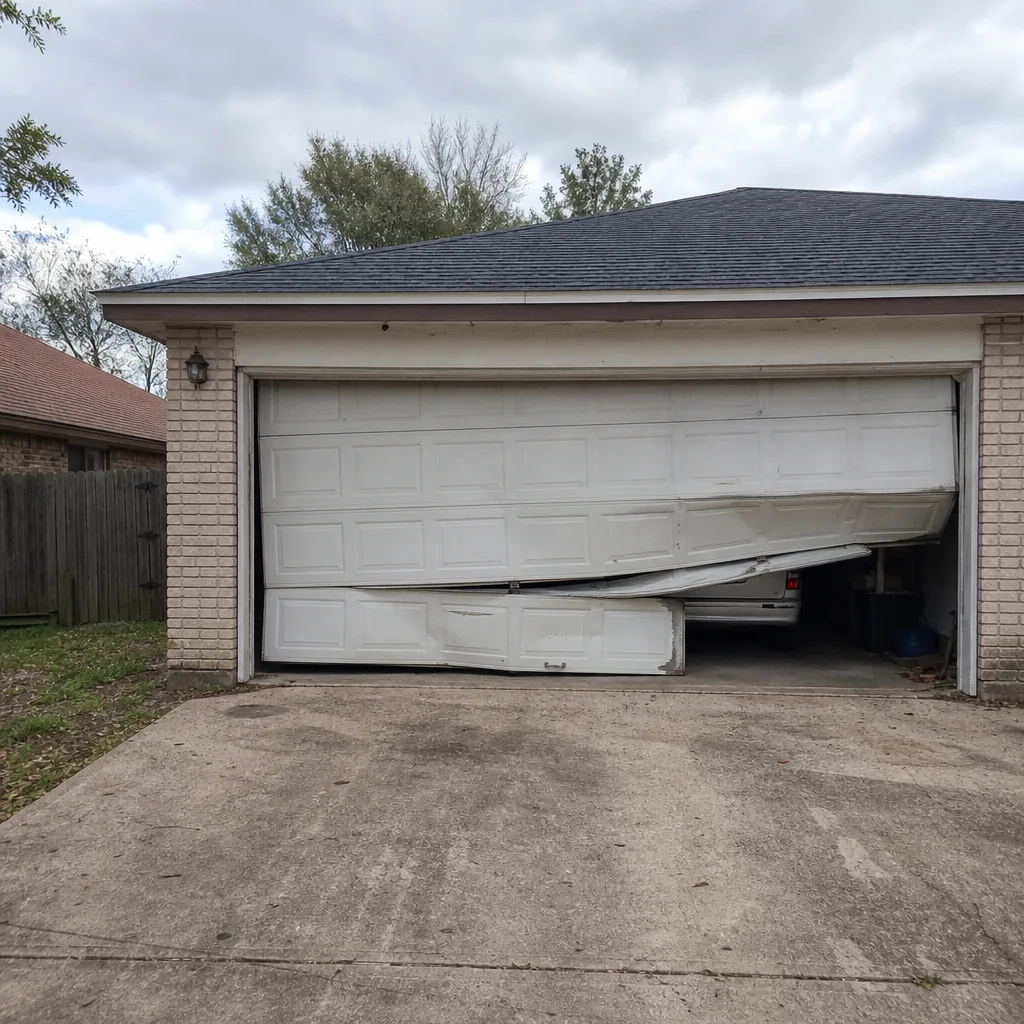 Before
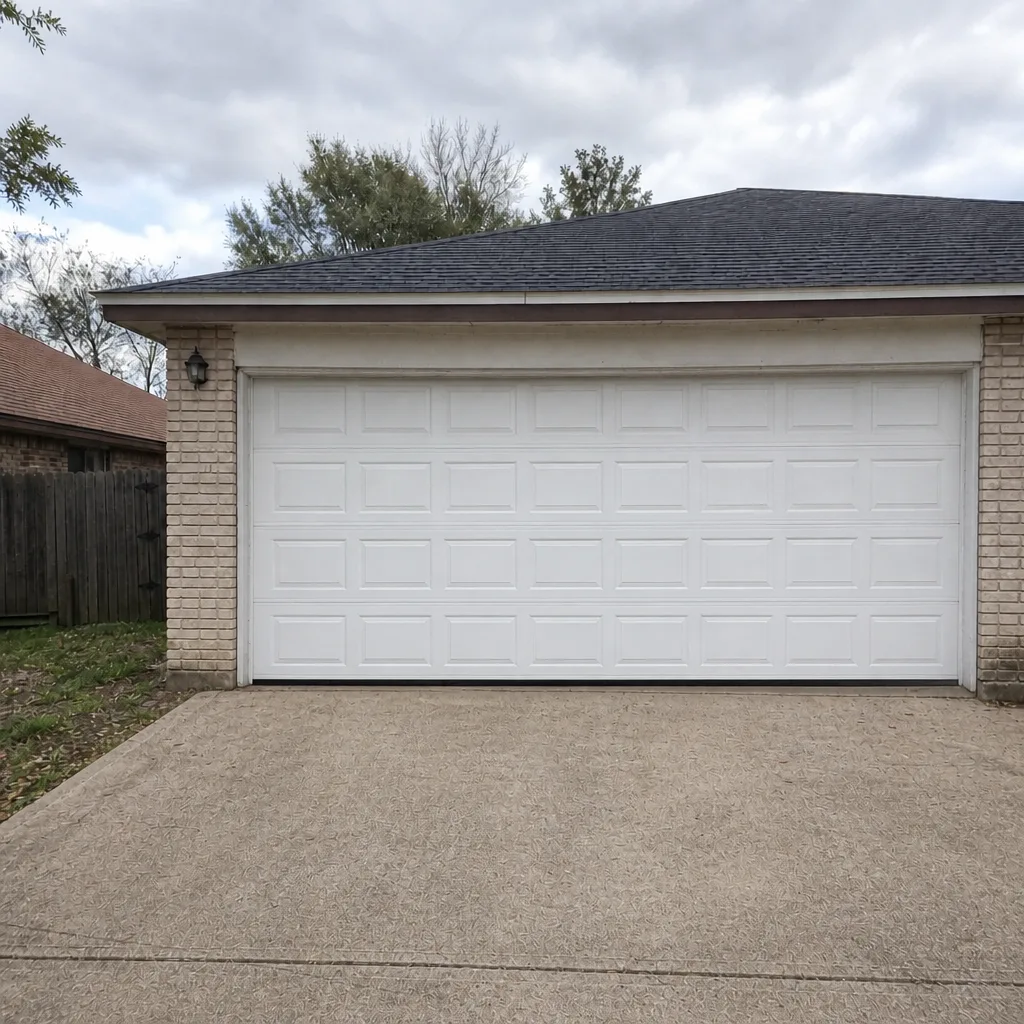 After
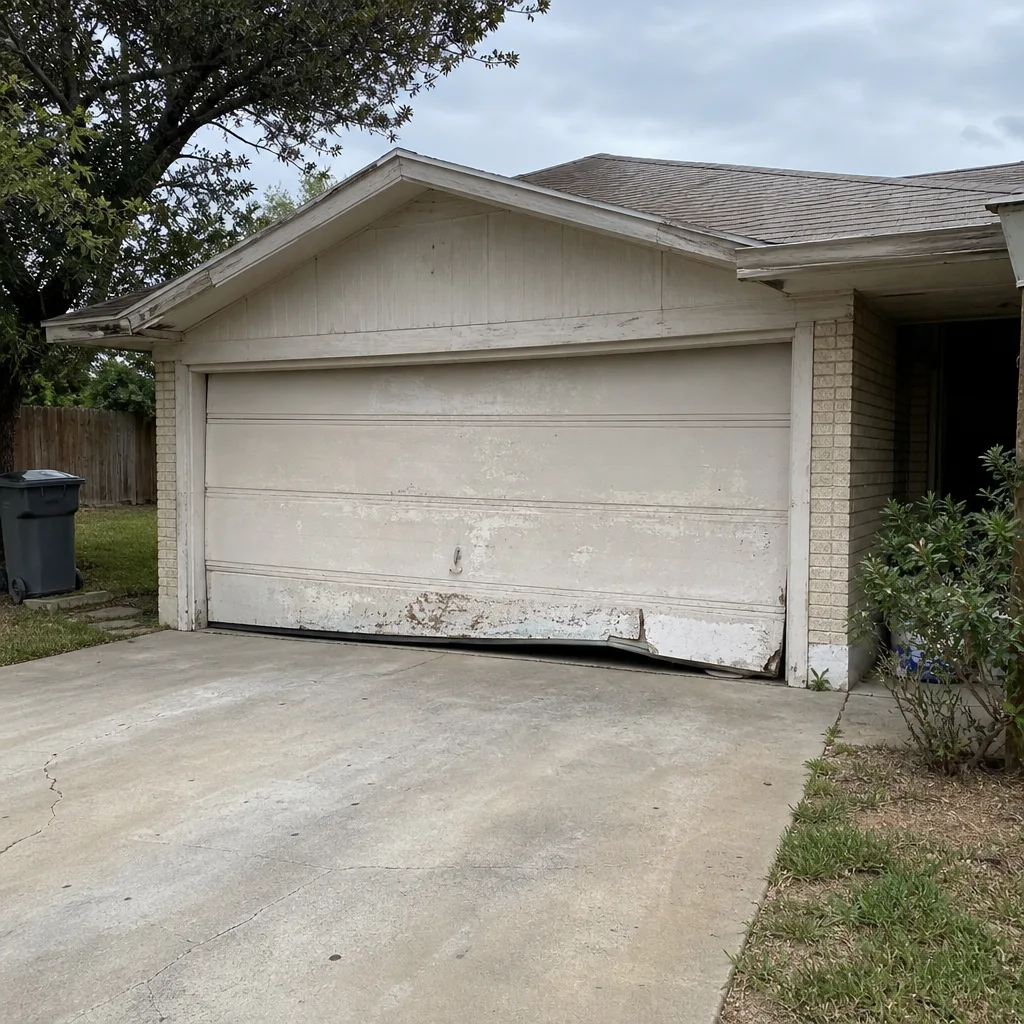 Before
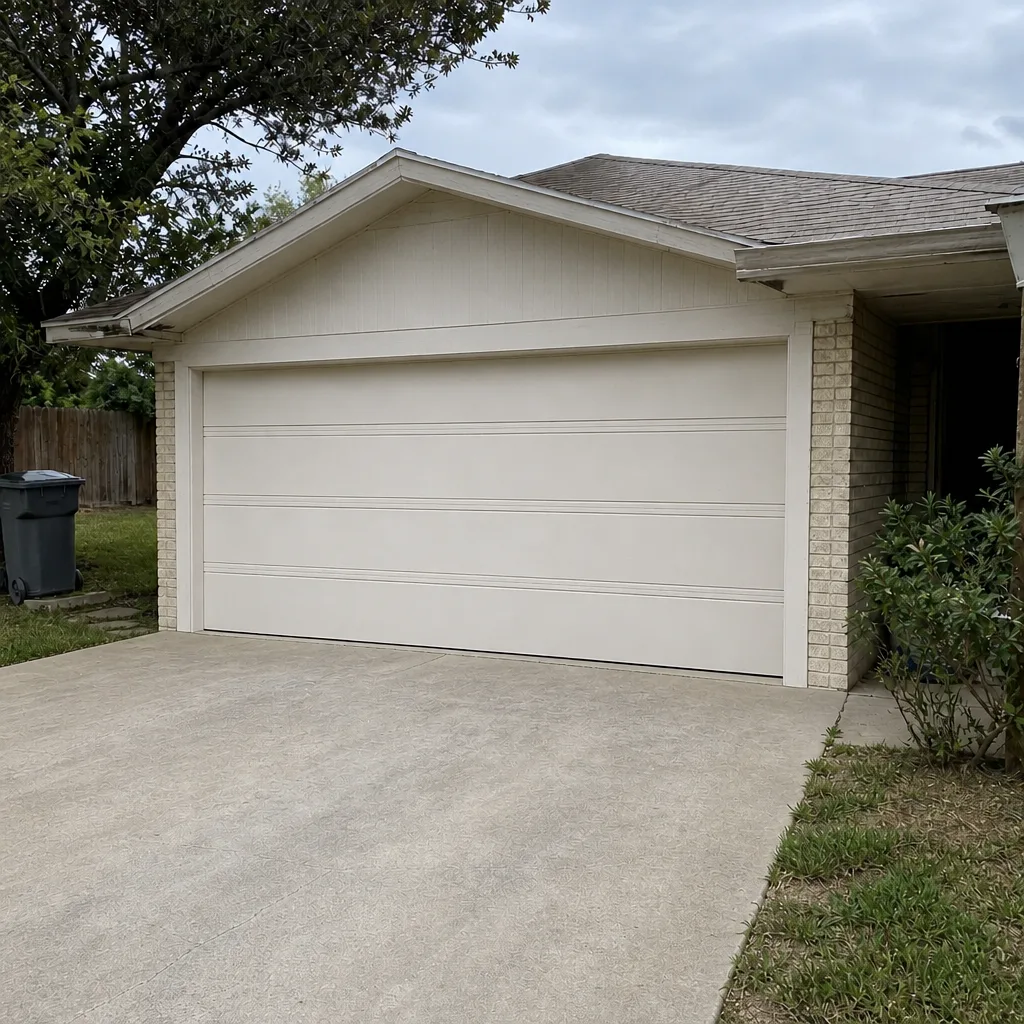 After
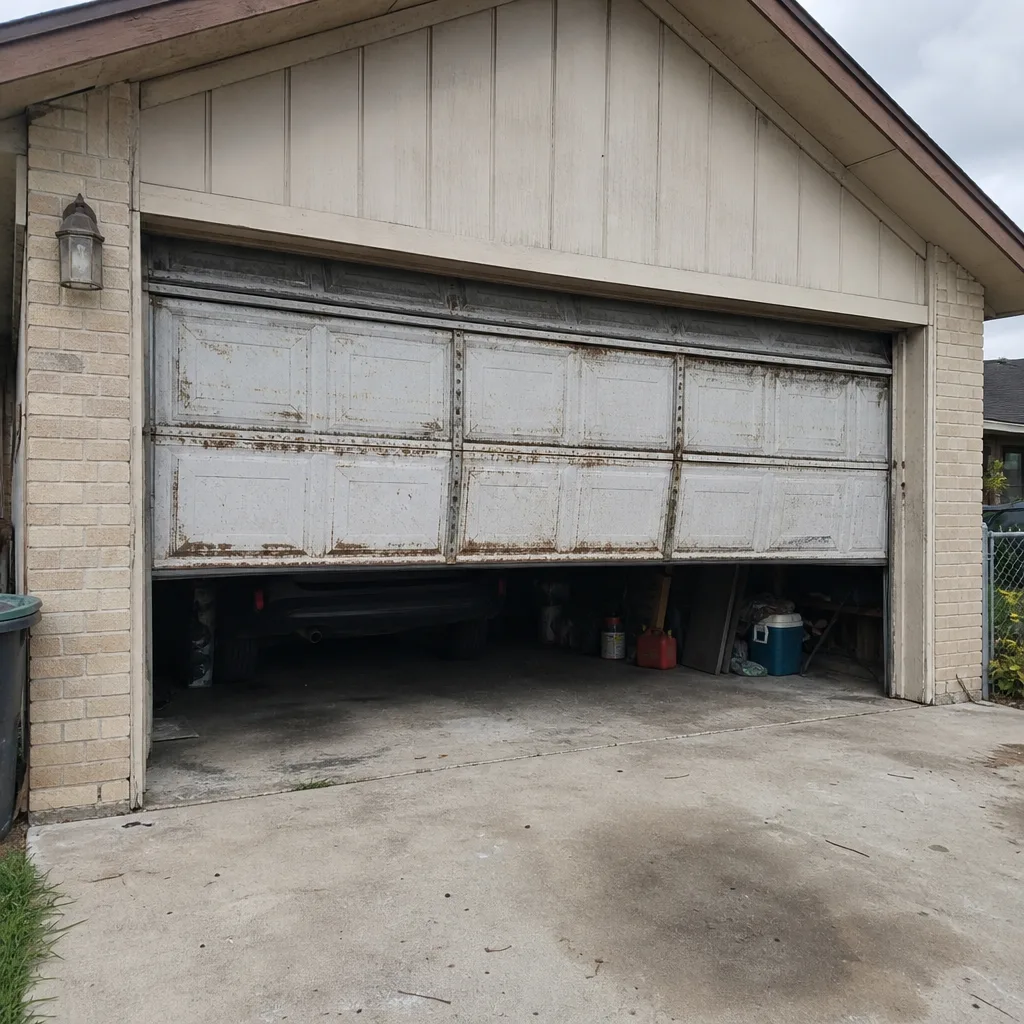 Before
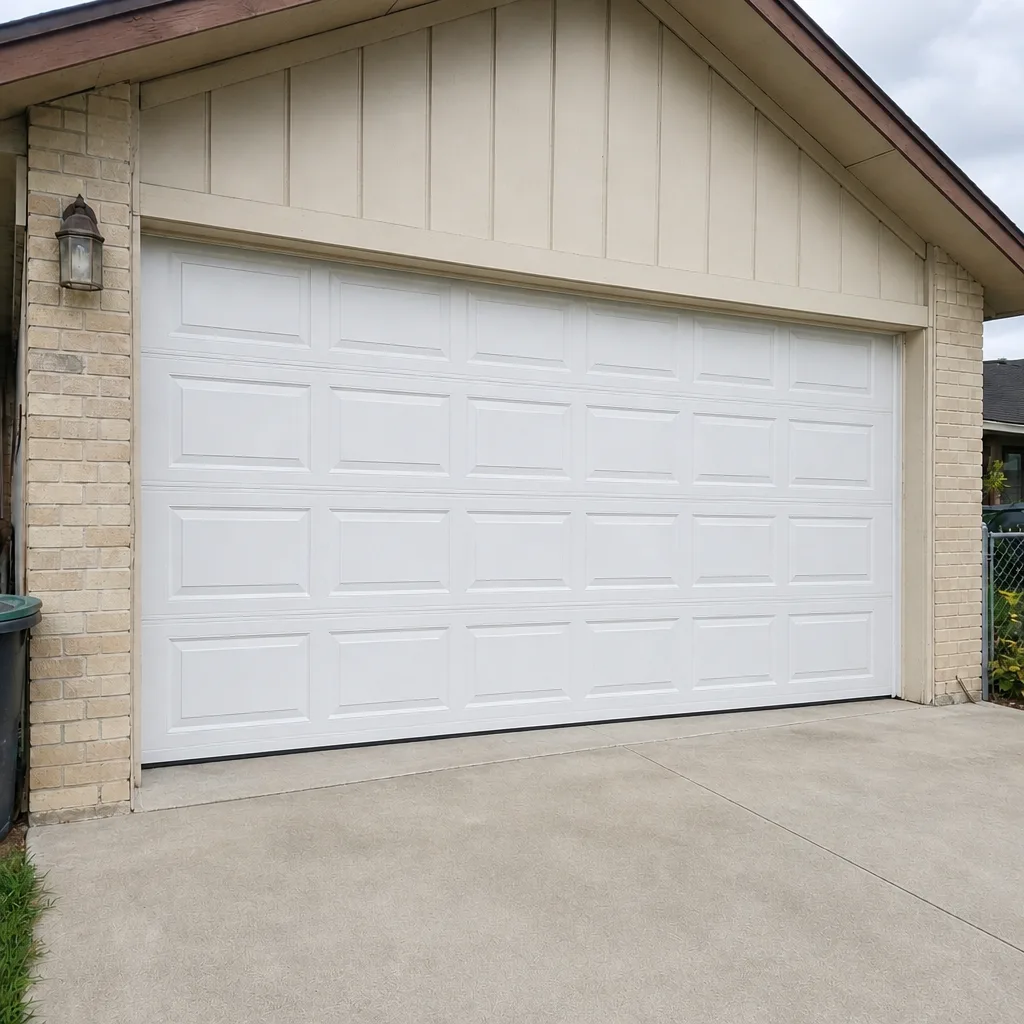 After